
How long does zepbound stay in your system?
Zepbound (tirzepatide) can remain in your body for weeks after the last dose. Here is what half-life means, what affects it, and when to call a clinician.
Key facts
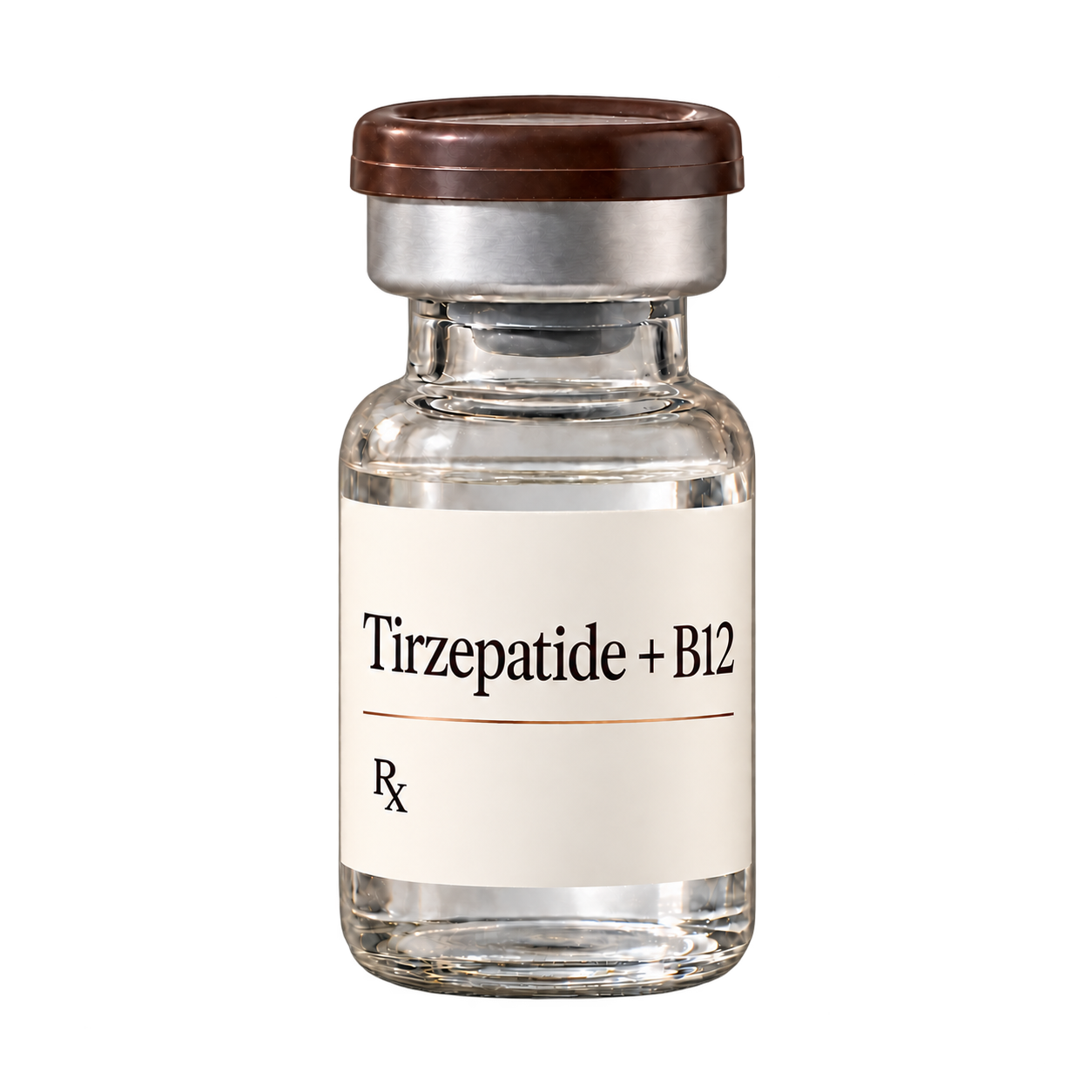
- Tirzepatide + B12 is $169/month (billed $169 every 4 weeks), charged only after a clinician approves it.
- Answer a few health questions online. A licensed clinician reviews them. If approved, it ships to your door.
- Adults 18 or older. A licensed clinician reviews your health history and decides whether treatment is appropriate for you. Availability depends on the state you live in.


If you are asking how long does zepbound stay in your system, the key concept is half-life, the time it takes your body to remove about half of a drug. Zepbound contains tirzepatide, a long-acting once-weekly injection, so it leaves your body gradually. This page explains what the prescribing information says about tirzepatide timing, why the experience varies, and when symptoms should prompt a check-in. Vitals Vault also links to options for clinician-guided care and tools to help you plan next steps.
- Zepbound can stay in your system for weeks after your last dose.
- The FDA label lists tirzepatide half-life as about 5 days.
- Many drugs mostly clear after about five half-lives, often about 25 days here.
- Timing can feel different if side effects cause dehydration or you take insulin or sulfonylureas.
Direct answer: how long it stays
- Half-life (t1/2) of tirzepatide
- About 5 days.
- When most of a dose is gone
- Often about 25 days (about five half-lives).
- Why it can linger
- It is designed for once-weekly dosing and declines gradually.
What affects how long Zepbound lasts in your body
Half-life and gradual decline
The prescribing information reports a tirzepatide half-life of about 5 days, which is why it can remain in the body for weeks. A common pharmacology rule of thumb is that most of a dose is eliminated after about five half-lives. That helps explain why effects can taper slowly after stopping.
Dose timing and missed doses
Because tirzepatide is long-acting, taking doses closer together than prescribed can increase exposure, while missing doses can reduce it. If you are unsure what to do after a missed dose, follow the Medication Guide or ask your prescriber. Do not try to catch up without clinician guidance.
GI side effects and dehydration
Nausea, vomiting, and diarrhea are common with tirzepatide and can lead to dehydration. The label warns about acute kidney injury, sometimes in the setting of dehydration from these symptoms. If you cannot keep fluids down, contact a clinician promptly.
Kidney issues and illness
If you already have kidney disease or you get dehydrated from an illness, your clinician may want closer monitoring while you are on tirzepatide. This does not necessarily mean the drug stays longer, but it can make side effects more serious. Ask what monitoring is appropriate for you.
Other medicines and low blood sugar
Tirzepatide can increase the risk of low blood sugar when used with insulin or insulin secretagogues such as sulfonylureas. Low blood sugar symptoms can be mistaken for the medication lasting longer than expected. Tell your clinician about all diabetes medicines you take.
Compounded tirzepatide differences
If you are using compounded tirzepatide, the exact formulation and instructions come from the prescribing clinician and dispensing pharmacy. Compounded medications are prepared by a licensed pharmacy for an individual prescription and are not FDA-approved. That can affect how you interpret timing and side effects.
| What you mean | What it depends on | What sources support |
|---|---|---|
| How long the drug is in your body | Half-life and time since last dose | Half-life about 5 days; gradual decline over weeks |
| How long appetite effects last | Dose, time on therapy, individual response | Varies person to person; not a fixed number in the label |
| How long side effects last | GI effects, hydration, dose changes | GI side effects are common; dehydration and kidney warnings matter |
When to talk to a clinician
Severe stomach symptoms
Contact a clinician if vomiting or diarrhea is persistent, you cannot keep fluids down, or you have signs of dehydration such as dizziness or very low urine output. These issues can increase the risk of kidney injury. Your clinician can advise on monitoring and next steps.
Possible pancreatitis symptoms
Seek urgent medical evaluation for severe abdominal pain that may radiate to the back, with or without vomiting. The label warns about acute pancreatitis with tirzepatide. Do not try to wait it out based on how long the drug stays in your system.
Gallbladder symptoms
Contact a clinician for right upper abdominal pain, fever, jaundice, or persistent nausea, which can be signs of gallbladder disease. The label notes acute gallbladder disease has occurred with tirzepatide. This is especially important if symptoms start after a dose increase.
Low blood sugar symptoms
If you take insulin or a sulfonylurea, talk to your clinician about low blood sugar risk and what to do if symptoms occur. Shakiness, sweating, confusion, or fainting can be dangerous. Low blood sugar is a medical issue, not just a timing issue.
Neck lump or hoarseness
Tirzepatide has a boxed warning about thyroid C-cell tumors seen in rodents, and it is contraindicated in people with a personal or family history of medullary thyroid carcinoma or MEN 2. Contact a clinician if you notice a neck lump, trouble swallowing, or persistent hoarseness.
Practical tips for planning around timing
Think in weeks, not days
With a 5-day half-life, effects can taper gradually over several weeks.
Track symptoms with dates
Log dose day, GI symptoms, and hydration so your clinician can spot patterns.
Tell your procedure team
Tell surgical or anesthesia staff you use tirzepatide, even if you recently stopped.
Bring your medication list
Include insulin, sulfonylureas, and supplements so interactions are considered.
Ask about monitoring
If side effects are strong, ask whether follow-up or labs are needed.
Frequently Asked Questions
How long does zepbound stay in your system after the last dose?
Zepbound contains tirzepatide, which has a half-life of about 5 days. Many medicines are mostly eliminated after about five half-lives, so tirzepatide can remain in your body for weeks. Your experience can vary.
What does half-life mean for Zepbound?
Half-life is the time it takes your body to clear about half of a drug. The tirzepatide label reports a half-life of about 5 days, which helps explain why it is dosed weekly. It also explains why effects can taper slowly after stopping.
Can Zepbound still affect me weeks after I stop?
Yes. Because tirzepatide declines gradually, it can still be present and have effects for weeks after the last dose. If you are stopping due to side effects or a medical issue, contact your clinician rather than waiting for it to wear off.
Does kidney disease change how long tirzepatide stays in your system?
The label warns about acute kidney injury, sometimes related to dehydration from nausea, vomiting, or diarrhea. If you have kidney disease or become dehydrated, your clinician may want closer monitoring and may adjust your plan. Ask your prescriber what applies to you.
Is compounded tirzepatide the same as Zepbound for timing?
Zepbound is a brand product, while compounded tirzepatide is prepared by a licensed pharmacy for an individual prescription and is not FDA-approved. Follow the instructions from your prescribing clinician and dispensing pharmacy. If timing or side effects feel different, check in with your clinician.