
How long do Zepbound side effects last?
How long do Zepbound side effects last? Most are temporary and improve as your body adjusts. Seek urgent care for severe pain or dehydration.
Key facts
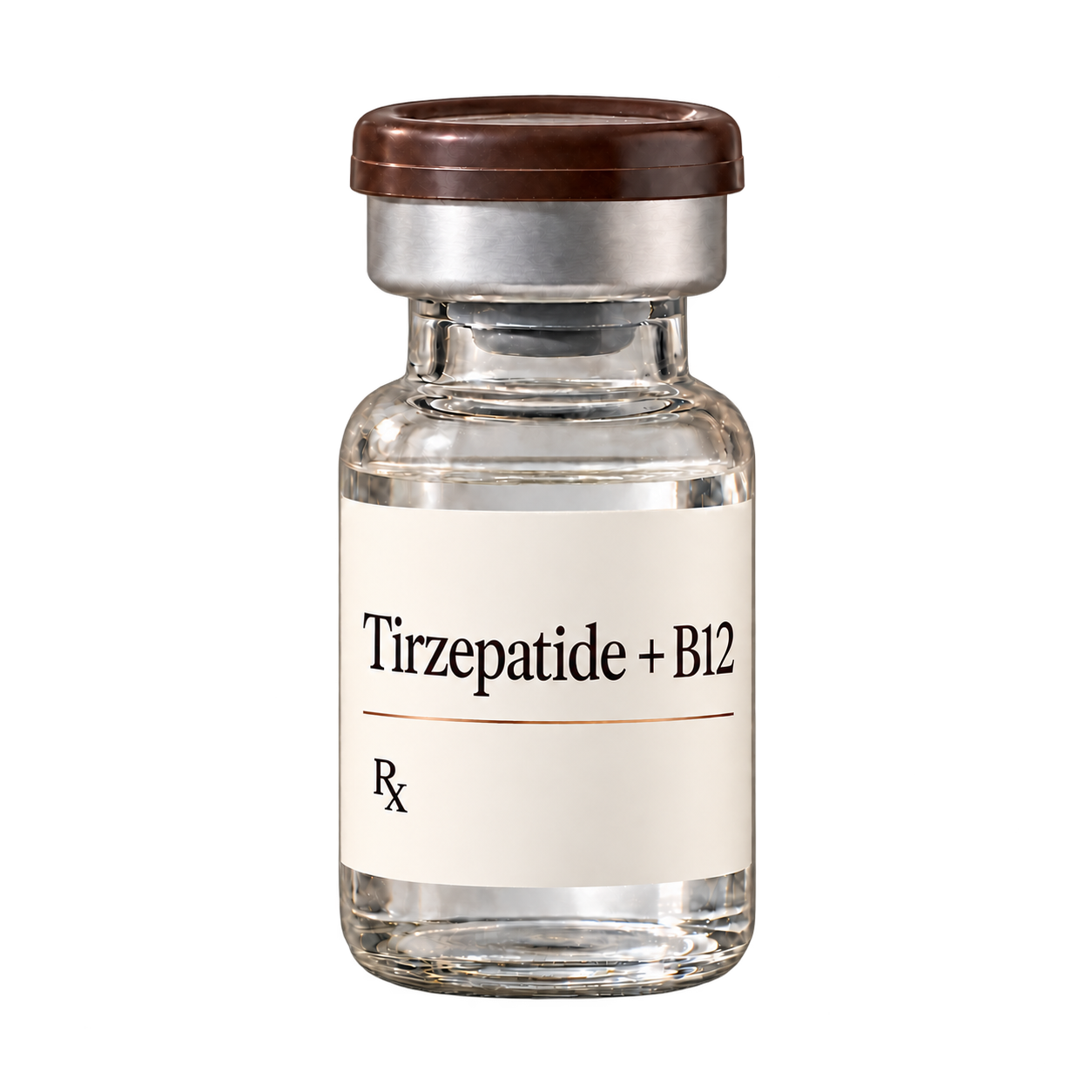
- Tirzepatide + B12 is $169/month (billed $169 every 4 weeks), charged only after a clinician approves it.
- Answer a few health questions online. A licensed clinician reviews them. If approved, it ships to your door.
- Adults 18 or older. A licensed clinician reviews your health history and decides whether treatment is appropriate for you. Availability depends on the state you live in.


If you are searching “how long do Zepbound side effects last,” you probably want a direct timeline and clear red flags. For many people, stomach and bowel side effects are most noticeable when starting tirzepatide or after a dose increase, then ease as your body adapts. This page summarizes what the Zepbound (tirzepatide) prescribing information says about common and serious side effects and what to do if they do not improve.
- Most Zepbound side effects are temporary and often improve over days to weeks as your body adjusts.
- Nausea, diarrhea, constipation, and stomach pain are most common and often flare after dose increases.
- Some side effects can be serious, including pancreatitis, gallbladder problems, kidney injury from dehydration, and allergic reactions.
- If symptoms are severe, persistent, or worsening, contact your prescriber rather than waiting them out.
How long do Zepbound side effects last?
Typical pattern
Many Zepbound side effects are most noticeable early in treatment and after dose increases, then improve as your body adjusts. In clinical trials, stomach and bowel symptoms were among the most common reasons people paused or stopped treatment. If symptoms keep getting worse instead of gradually easing, check in with your prescriber.
Short-lived vs persistent
Mild nausea or appetite changes may last hours to a few days after an injection, while constipation or reflux can linger longer if you become dehydrated or change your eating pattern. Persistent symptoms are not something you should just “push through,” because dehydration and poor intake can lead to complications. A clinician can help you decide whether to adjust timing, supportive care, or the treatment plan.
When duration matters most
Side effects that are severe, sudden, or progressive matter more than the exact number of days. Severe belly pain, repeated vomiting, or signs of an allergic reaction should be treated as urgent, even if you recently started. These can signal rare but serious problems listed in the prescribing information.
What affects duration and what can help
Nausea and vomiting
Nausea and vomiting are common with Zepbound and are often most noticeable when starting or increasing the dose. They may improve as your body adapts, but ongoing vomiting can cause dehydration and kidney problems. If you cannot keep fluids down or symptoms are persistent, contact your clinician promptly.
Diarrhea
Diarrhea is common and may come in waves, especially early on or after dose changes. The main risk is dehydration, which can worsen fatigue, dizziness, and kidney function. If diarrhea is severe, persistent, or accompanied by weakness or reduced urination, reach out to your prescriber.
Constipation
Constipation is common and can last longer than nausea for some people, especially if you are not drinking enough fluids or you are eating less overall. If constipation becomes painful, lasts several days, or comes with vomiting or severe belly swelling, you should contact a clinician. Severe constipation can sometimes signal a more serious gut problem.
Stomach pain and indigestion
Abdominal pain, dyspepsia (indigestion), and reflux symptoms are reported with tirzepatide. Mild discomfort may improve as you adjust, but severe or persistent pain needs evaluation. In particular, severe pain that does not go away, especially if it radiates to the back or comes with vomiting, can be a warning sign for pancreatitis.
Pancreatitis warning signs
Zepbound carries a warning for acute pancreatitis. The label advises stopping the medication and seeking medical care if pancreatitis is suspected, because it can be serious. Do not wait to see if severe abdominal pain resolves on its own.
Gallbladder problems
Zepbound can be associated with acute gallbladder disease. Symptoms such as right upper abdominal pain, fever, or yellowing of the skin or eyes warrant prompt medical evaluation. Gallbladder issues may not improve without treatment.
Kidney injury from dehydration
The prescribing information warns that nausea, vomiting, and diarrhea can lead to dehydration, which may worsen kidney function and has been linked to acute kidney injury. If you have reduced urination, dizziness, fainting, or cannot maintain fluids, contact a clinician urgently. This risk is higher if you already have kidney problems.
Low blood sugar with other meds
Zepbound can increase the risk of hypoglycemia (low blood sugar) when used with insulin or insulin secretagogues such as sulfonylureas. If you take diabetes medications, your prescriber may need to adjust them and review symptoms to watch for. Low blood sugar can be dangerous and should not be ignored.
Allergic reactions
Serious hypersensitivity reactions have been reported with tirzepatide. Seek emergency care for swelling of the face, lips, tongue, or throat, trouble breathing, or widespread rash. These reactions are not expected to simply “wear off” without treatment.
Thyroid C-cell tumor boxed warning
Zepbound has a boxed warning about the risk of thyroid C-cell tumors seen in rodents, and it is unknown whether this risk applies to humans. It is contraindicated if you or your family have medullary thyroid carcinoma or MEN 2 (multiple endocrine neoplasia syndrome type 2). Report a neck lump, hoarseness, trouble swallowing, or shortness of breath to a clinician.
A practical timeline you can use
| Timeframe | What you may notice | What to do |
|---|---|---|
| First 1 to 3 days after an injection | Nausea, reduced appetite, reflux, diarrhea or constipation may be more noticeable. | Hydrate and eat smaller, bland meals if tolerated. If severe or worsening, contact your prescriber. |
| First few weeks of treatment | GI symptoms may come and go as your body adapts. | Track triggers and persistence. Ask about supportive care if symptoms interfere with daily life. |
| After a dose increase | A temporary flare of GI side effects can happen again. | Do not assume it is “normal” if symptoms are severe. Check in if you cannot function or stay hydrated. |
| Any time during treatment | Severe belly pain, repeated vomiting, dehydration, allergic reaction symptoms, or low blood sugar symptoms (if on diabetes meds). | Seek urgent or emergency care based on severity, and contact your clinician right away. |
When to call a clinician or seek urgent care
Call your prescriber soon
Call if side effects are not improving over time, keep returning after each injection, or interfere with eating, drinking, sleep, or work. Also call if you have ongoing constipation, reflux, or diarrhea that is not responding to basic supportive steps. Your clinician can help you decide whether symptoms are expected or need evaluation.
Seek urgent care now
Get urgent or emergency care for severe or persistent abdominal pain, repeated vomiting, signs of dehydration (fainting, very low urination), or symptoms of an allergic reaction (swelling of face or throat, trouble breathing). If you use insulin or a sulfonylurea, seek help for severe low blood sugar symptoms such as confusion or loss of consciousness.
Higher-risk situations
You may need earlier clinician input if you have kidney disease, a history of pancreatitis or gallbladder disease, or you take other medications that affect blood sugar. Do not wait for a scheduled follow-up if symptoms are escalating. Bring a symptom timeline and any recent medication changes to the conversation.
Frequently Asked Questions
How long do Zepbound side effects last?
Many Zepbound side effects are temporary and often improve as your body adjusts, especially after starting or increasing the dose. If symptoms are severe, persistent, or worsening, contact your prescriber rather than waiting. Seek urgent care for severe abdominal pain, dehydration, or allergic reaction symptoms.
Do Zepbound side effects get worse after a dose increase?
They can. The prescribing information notes gastrointestinal side effects are common, and many people notice a flare when the dose changes. If the flare is severe or you cannot stay hydrated, contact your clinician promptly.
When is nausea or vomiting on Zepbound an emergency?
Seek urgent care if vomiting is repeated and you cannot keep fluids down, or if you have signs of dehydration such as fainting or very low urination. Severe abdominal pain with vomiting can be a warning sign for pancreatitis. These situations should not be managed by waiting it out.
Can Zepbound cause pancreatitis, and how would I know?
Zepbound has a warning for acute pancreatitis. Severe abdominal pain that may radiate to the back, with or without vomiting, is a key warning sign described for GLP-1 medicines. If pancreatitis is suspected, the label advises stopping the medication and getting medical care.
If I am using compounded tirzepatide, will side effects last the same amount of time?
Compounded tirzepatide is not FDA-approved, so safety and side effect expectations can be less certain than for the brand product. The same red flags apply, including severe abdominal pain, dehydration, and allergic reaction symptoms. If you are unsure what you are experiencing, PocketMD and a licensed clinician can help you decide what to do next.