
How long does it take to lose weight on tirzepatide?
How long to lose weight on tirzepatide? Many people see change within weeks, but meaningful loss often takes months. Dose, habits, and side effects matter.
Key facts
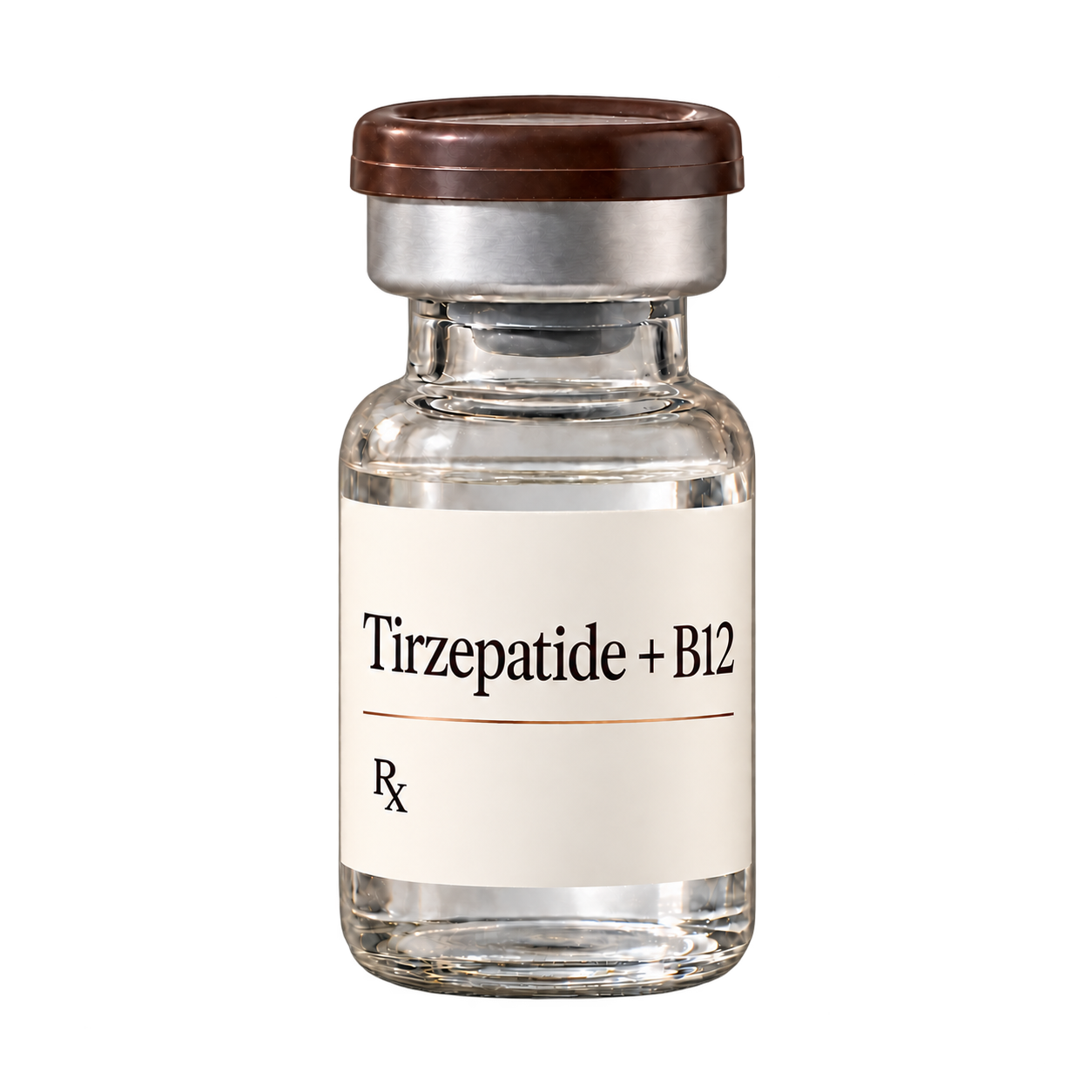
- Tirzepatide + B12 is $169/month (billed $169 every 4 weeks), charged only after a clinician approves it.
- Answer a few health questions online. A licensed clinician reviews them. If approved, it ships to your door.
- Adults 18 or older. A licensed clinician reviews your health history and decides whether treatment is appropriate for you. Availability depends on the state you live in.


If you are asking how long does it take to lose weight on tirzepatide, the most honest answer is that it varies. Many people notice appetite changes first, then weight changes over the following weeks, with larger changes typically taking months. This page explains what clinical trials of tirzepatide show about timing, why your pace may differ, and when to check in with a clinician. Vitals Vault also outlines options for clinician guided care and monitoring.
- How long does it take to lose weight on tirzepatide? Often weeks to notice, months for meaningful change.
- In studies of tirzepatide, weight loss continued over many months with ongoing treatment and lifestyle support.
- Dose titration and side effects can slow or speed early progress.
- Your starting weight, diabetes status, sleep, stress, and protein and activity habits all affect results.
Direct answer: the usual timeline
First 1 to 4 weeks
Many people first notice reduced hunger, earlier fullness, or fewer cravings. Weight change can start in this window, but it may be modest while your dose is being increased. In trials, tirzepatide dosing was titrated over time, so early weeks are not the full effect.
Weeks 4 to 12
This is a common period for more visible scale and clothing changes, especially as you reach higher doses. In clinical trials for obesity and overweight, weight loss was measured over many months, and the curve generally continued downward beyond the first few weeks.
3 to 6 months
For many people, this is when progress feels more consistent if you can tolerate the medication and keep steady habits. Trials show continued weight loss across this timeframe, not just a short early drop.
6 to 18 months
In obesity trials, tirzepatide was studied over longer periods, and participants continued losing weight across many months of treatment. Your long term trajectory depends on dose tolerance, adherence, and whether side effects or other health issues limit nutrition and activity.
What affects how fast you lose weight
Dose titration pace
Tirzepatide is typically increased gradually to improve tolerability. If you need to stay at a lower dose longer due to nausea or other side effects, your weight loss may be slower at first. Trial protocols used stepwise dose escalation, which helps explain why results build over time.
Side effects and intake
Nausea, vomiting, diarrhea, constipation, and reduced appetite can change what and how much you eat. Sometimes that leads to faster early loss, but it can also backfire if you cannot meet protein, fluid, or fiber needs. Persistent or severe symptoms are a reason to contact your clinician.
Starting weight and metabolism
People with higher starting weight may see larger absolute changes on the scale, while percent change can vary. Your resting energy needs, muscle mass, and daily movement all influence the pace of loss, even on the same medication.
Diabetes and other conditions
In studies, outcomes differed between people with and without type 2 diabetes. Blood sugar control, insulin use, thyroid disease, sleep apnea, and certain medications can all affect weight change and how you feel during titration.
Food quality and protein
Tirzepatide can make it easier to eat less, but the composition of what you eat still matters. Adequate protein and fiber can support fullness and help preserve lean mass during weight loss, while highly processed, low protein patterns can slow progress or worsen GI symptoms.
Activity and strength training
Regular movement supports energy balance and cardiometabolic health. Strength training is especially helpful to maintain muscle while losing weight, which can influence how your body looks and how your metabolism adapts over time.
| Factor | How it changes the timeline | What to discuss with a clinician |
|---|---|---|
| Titration and tolerability | Slower increases can delay stronger appetite and weight effects. | Whether to pause, adjust, or manage side effects. |
| Diabetes and glucose meds | May change expected weight trajectory and low blood sugar risk. | How to monitor glucose and symptoms, especially with insulin or sulfonylureas. |
| Nutrition pattern | Low protein or dehydration can stall progress and worsen fatigue. | Targets for protein, fluids, and constipation prevention. |
| Sleep and stress | Poor sleep can increase hunger signals and reduce activity. | Screening for sleep apnea, stress support, and realistic goals. |
When to talk to a clinician about your progress
You cannot tolerate side effects
Contact a clinician if nausea, vomiting, diarrhea, or constipation is persistent, severe, or causing dehydration. You may need a different titration pace, supportive medications, or evaluation for complications.
You have symptoms of low blood sugar
If you use insulin or a sulfonylurea, adding tirzepatide can increase hypoglycemia risk. Seek medical advice promptly for shakiness, sweating, confusion, or fainting, and follow your clinician’s plan for glucose monitoring.
You have severe belly pain
Severe abdominal pain, especially with vomiting or fever, needs urgent evaluation. GLP-1 based medicines carry warnings for pancreatitis and gallbladder disease in FDA labeling for tirzepatide products.
You are not losing weight after titration
If you have reached a stable dose and have had time to adjust habits but see little change, a clinician can review adherence, diet quality, activity, sleep, other medications, and whether another approach is a better fit.
Practical tips to support steady loss
Expect a ramp up
Tirzepatide is usually titrated, so results often build over months.
Prioritize protein and fluids
This can help fullness and reduce fatigue when appetite drops.
Plan for constipation
Fiber, fluids, and movement can help; ask about safe options.
Strength train weekly
Maintaining muscle supports metabolism and long term function.
Track more than weight
Use waist, energy, and labs to see progress beyond the scale.
Frequently Asked Questions
How long does it take to lose weight on tirzepatide?
Many people notice appetite changes within the first few weeks, but larger, steadier weight changes often take months. In clinical trials, weight loss continued over many months of treatment, which is why your early weeks may not reflect your longer term trend.
Why am I not losing weight yet on tirzepatide?
Early on, you may still be in dose titration, which can limit the medication’s full effect. Side effects, constipation, sleep, stress, and diet quality can also mask progress, so it helps to review patterns and expectations with a clinician.
Does tirzepatide keep working after the first month?
Yes, in longer clinical trials, weight loss generally continued across many months rather than stopping after a short initial drop. Your individual pattern can vary based on dose tolerance, adherence, and lifestyle factors.
Can side effects change how fast I lose weight on tirzepatide?
They can. Nausea or reduced appetite may lower intake quickly, but vomiting, diarrhea, or poor hydration can also make it harder to eat well and stay active, which may slow progress or make you feel unwell. Persistent or severe symptoms warrant medical advice.
What should I track besides the scale while using tirzepatide?
Waist measurements, how clothes fit, energy, and activity can show progress even when weight fluctuates. Some people also monitor clinician recommended labs over time; Vitals Vault offers lab panels that can support monitoring, but labs do not diagnose weight issues.