
How does semaglutide work for weight loss?
How does semaglutide work? It acts like GLP-1 to reduce appetite and slow stomach emptying. Here is what that means for your timeline.
Key facts
- Semaglutide + B12 is $157/month (billed $157 every 4 weeks), charged only after a clinician approves it.
- Answer a few health questions online. A licensed clinician reviews them. If approved, it ships to your door.
- Adults 18 or older. A licensed clinician reviews your health history and decides whether treatment is appropriate for you. Availability depends on the state you live in.





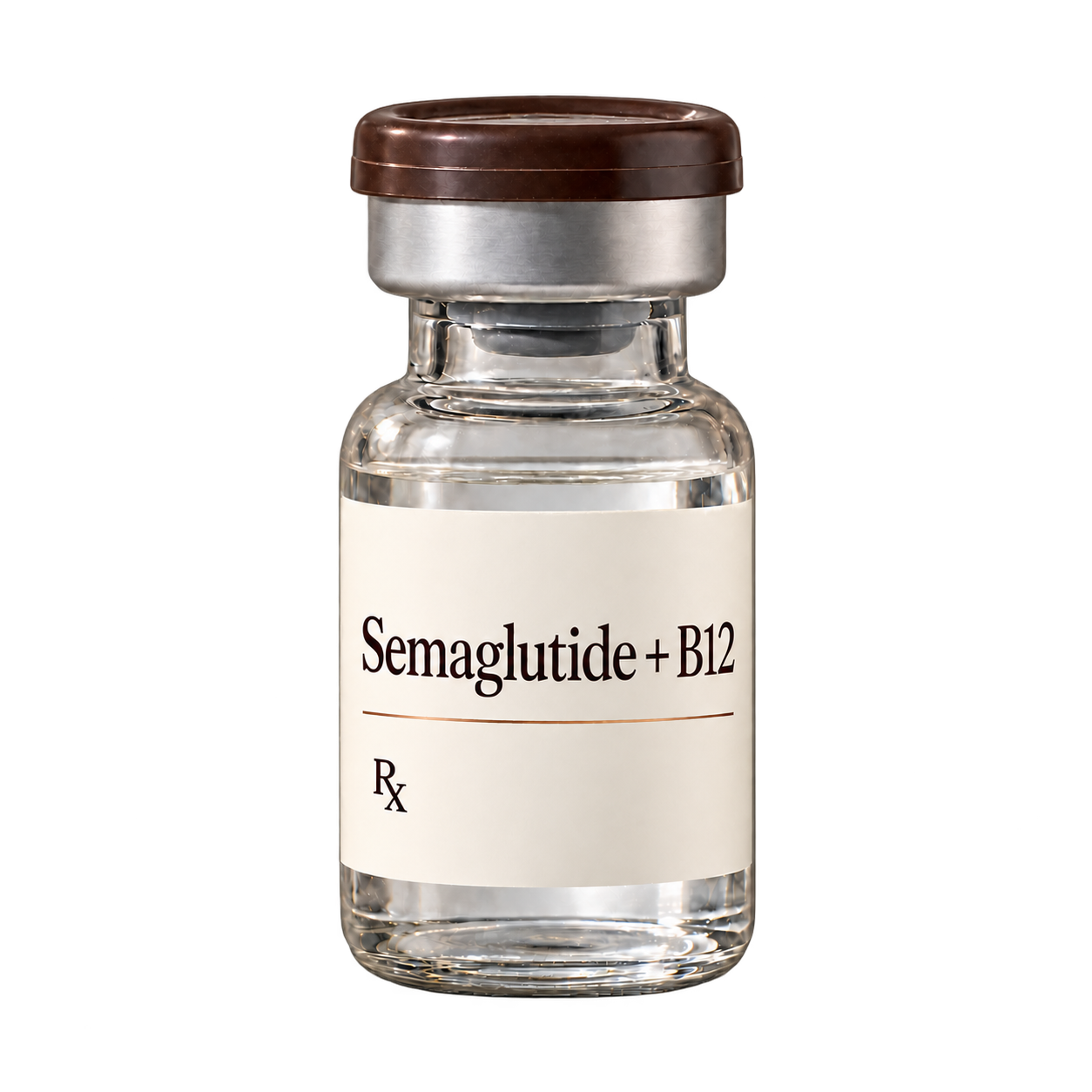
Semaglutide is a GLP-1 receptor agonist, meaning it acts like a natural gut hormone that helps regulate appetite and blood sugar. For many people, that translates into feeling full sooner, thinking about food less often, and eating less without constant willpower. This page explains how does semaglutide work in plain language, what research suggests about timing, and why your experience can differ from someone else’s. If you want to explore options with clinician oversight, Vitals Vault can help you understand what questions to ask before starting.
- Semaglutide works by mimicking GLP-1 to lower appetite, increase fullness, and slow stomach emptying.
- In studies of FDA approved semaglutide, higher doses plus lifestyle changes led to clinically meaningful weight loss over months.
- Results vary with dose progression, side effects, diet, activity, sleep, and other medical conditions.
- Compounded semaglutide is not FDA approved, and product quality can vary by pharmacy.
Quick answer: what semaglutide does
Acts like GLP-1
Semaglutide activates the GLP-1 receptor, similar to the hormone GLP-1 your body releases after you eat. GLP-1 signals help coordinate appetite, digestion, and insulin release. This is why semaglutide can affect both eating behavior and blood sugar.
Reduces hunger and cravings
GLP-1 signaling in the brain can reduce appetite and increase the feeling of fullness. Many people notice they feel satisfied with smaller portions and have fewer persistent food thoughts. These effects can make it easier to follow a reduced-calorie eating plan.
Slows stomach emptying
Semaglutide can slow gastric emptying, meaning food leaves your stomach more slowly. That can increase fullness after meals, but it can also contribute to nausea or a heavy feeling early in treatment. The effect on stomach emptying tends to be most noticeable during dose escalation.
Improves blood sugar control
In people with type 2 diabetes, semaglutide can improve blood sugar by increasing insulin release when glucose is high and reducing glucagon. Even if you are using it for weight management, these glucose effects matter for safety, especially if you take other diabetes medicines.
How it works in your body (and why results vary)
It changes appetite signaling
Semaglutide works on GLP-1 receptors in areas of the brain involved in appetite and reward. In clinical trials of semaglutide for chronic weight management, participants also followed a reduced-calorie diet and increased physical activity, which is important context for expected outcomes.
It supports lower calorie intake
By increasing fullness and reducing hunger, semaglutide can help you sustain a lower calorie intake over time. That is one reason weight change is typically gradual rather than immediate. Your baseline eating pattern and the changes you can maintain still play a major role.
Dose escalation affects what you feel
FDA approved semaglutide products for weight management use a gradual dose increase to improve tolerability. Appetite effects and side effects can change at each step, so the first few weeks may not reflect your longer-term response. A clinician may adjust the pace based on tolerability, consistent with the product labeling.
Other medicines can change safety
Semaglutide can increase the risk of low blood sugar when used with insulin or insulin secretagogues such as sulfonylureas. If you take diabetes medications, your prescriber may need closer monitoring and possible medication adjustments. This is one reason clinician supervision matters.
Compounded semaglutide is different
Compounded semaglutide is prepared by a licensed pharmacy for an individual prescription and is not FDA-approved. Because compounded products are not FDA reviewed for safety, effectiveness, or quality in the same way as approved drugs, the experience can vary depending on the pharmacy and formulation.
How quickly does semaglutide work?
Early weeks: appetite changes
Some people notice reduced hunger or earlier fullness within the first weeks, but the degree varies. In FDA approved semaglutide for weight management, the dose is increased over several weeks, so effects can build gradually rather than all at once.
Months: weight change is gradual
In a large trial of once-weekly semaglutide 2.4 mg with lifestyle intervention, average weight loss continued to accrue over many months, with outcomes reported at 68 weeks. That pattern reflects how long it can take for sustained calorie reduction to translate into measurable weight change.
Why your timeline may be slower
If nausea, constipation, or reflux limit what you can eat, your clinician may slow dose escalation to improve tolerability. Sleep, stress, alcohol intake, and conditions such as hypothyroidism or PCOS can also affect weight trends. Plateaus are common in weight management, even with effective medications.
If nothing seems to happen
Lack of noticeable appetite change early does not always mean it will not work, especially during low starting doses. It can also signal that another issue is limiting progress, such as inconsistent dosing, high-calorie liquids, or another medication that promotes weight gain. A clinician can help interpret the pattern and decide next steps.
| What is measured | What studies commonly report | Why it matters |
|---|---|---|
| Dose escalation period | A gradual increase over several weeks in the Wegovy label | Early effects and side effects can change as the dose increases |
| Weight outcomes | STEP 1 reports outcomes at 68 weeks with semaglutide 2.4 mg plus lifestyle intervention | Meaningful change is typically assessed over months, not days |
| Blood sugar effects (type 2 diabetes) | Ozempic label describes glucose lowering and A1C outcomes in clinical studies | If you use diabetes medications, monitoring helps prevent low blood sugar |
When to talk to a clinician
Severe belly pain
Seek urgent medical evaluation for severe, persistent abdominal pain, with or without vomiting. This can be a sign of pancreatitis, which is a labeled warning for semaglutide. Do not try to manage severe symptoms on your own.
Gallbladder symptoms
Contact a clinician promptly for right upper abdominal pain, fever, yellowing of the skin or eyes, or clay-colored stools. GLP-1 medicines including semaglutide are associated with gallbladder problems in labeling. Your clinician may recommend evaluation for gallstones or cholecystitis.
Dehydration or kidney concerns
If vomiting or diarrhea leads to dehydration, you can be at higher risk for kidney problems. Semaglutide labeling warns about acute kidney injury, sometimes in the setting of severe gastrointestinal reactions. Get medical advice early if you cannot keep fluids down.
Neck lump or hoarseness
Semaglutide carries a boxed warning about thyroid C-cell tumors observed in rodents, and it is contraindicated in people with a personal or family history of medullary thyroid carcinoma or MEN 2. Tell a clinician if you notice a neck mass, trouble swallowing, or persistent hoarseness.
Low blood sugar risk
If you use insulin or a sulfonylurea, ask your prescriber how to monitor for hypoglycemia and what to do if symptoms occur. Semaglutide alone has a lower hypoglycemia risk, but combination therapy can increase it. This is especially important when eating less than usual.
Practical tips that can help
Prioritize protein and fiber
They can support fullness when your appetite is lower.
Hydrate and prevent constipation
Fluids and fiber can help with common GI side effects.
Plan for nausea triggers
Greasy or large meals can worsen nausea for some people.
Track patterns, not daily scale swings
Weekly trends are often more meaningful than day-to-day changes.
Bring questions to follow-ups
Dose timing, side effects, and plateaus are common topics to review.
Frequently Asked Questions
How quickly does semaglutide work?
Some people notice appetite changes within the first weeks, but weight change is usually assessed over months. In a major trial of FDA approved semaglutide 2.4 mg with lifestyle intervention, outcomes were reported at 68 weeks. Your timeline can vary with dose escalation and tolerability.
How does semaglutide work for weight loss?
Semaglutide mimics the hormone GLP-1, which helps regulate appetite and digestion. It can reduce hunger, increase fullness, and slow stomach emptying, which may help you sustain a lower calorie intake. In trials, it was used alongside diet and activity changes.
Does semaglutide work by speeding up metabolism?
Semaglutide is not described in labeling as a metabolism booster. Its primary weight-related effects are appetite and fullness changes, plus slower stomach emptying. Any change on the scale mainly reflects sustained changes in energy intake over time.
Why do semaglutide side effects happen if it is working?
Many common side effects are gastrointestinal, such as nausea, vomiting, diarrhea, constipation, and abdominal pain, and they are linked to how GLP-1 affects the gut. Side effects can be more noticeable during dose increases. A clinician can help weigh tolerability and safety warnings like pancreatitis and gallbladder disease.
Is compounded semaglutide the same as Ozempic or Wegovy?
Compounded semaglutide is prepared by a licensed pharmacy for an individual prescription and is not FDA-approved. Ozempic and Wegovy are FDA-approved semaglutide products with specific manufacturing and labeling standards. If you are considering compounded medication, discuss sourcing and monitoring with a clinician.