
Glutathione peptide dosage: weekly injection guide
Glutathione peptide dosage has no FDA-labeled weekly schedule for injections. Weekly plans vary by prescription and are set by a clinician.
Key facts
- Glutathione Injection is $129/month (billed $129 every 4 weeks), charged only after a clinician approves it.
- Answer a few health questions online. A licensed clinician reviews them. If approved, it ships to your door.
- Adults 18 or older. A licensed clinician reviews your health history and decides whether treatment is appropriate for you. Availability depends on the state you live in.


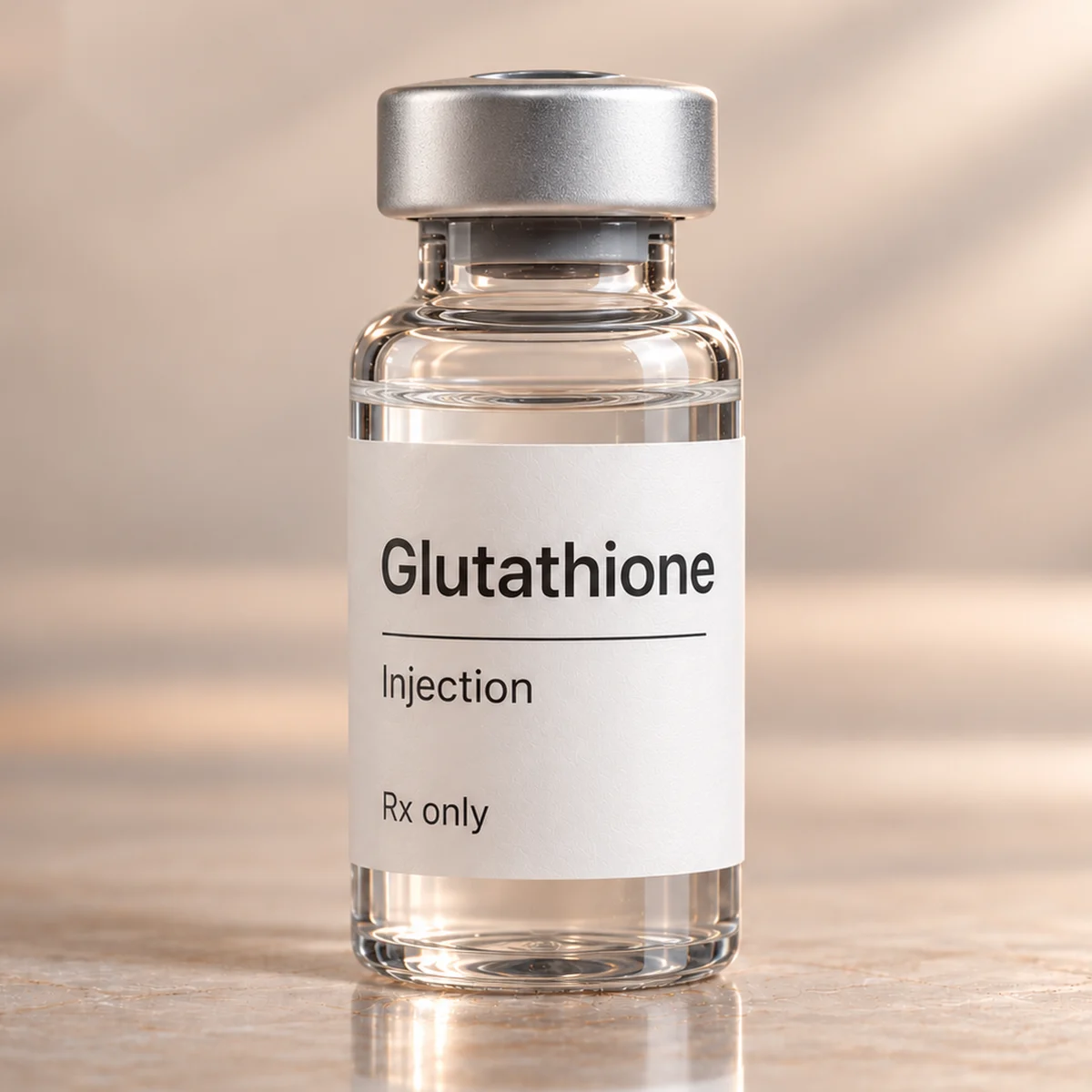
If you searched for “glutathione peptide dosage” to find a weekly injection amount, the key issue is that there is no FDA-approved glutathione injection product with a standardized weekly dose. Most injection use in wellness settings is compounded and individualized. This page explains what that means for your weekly schedule and what factors clinicians use to set dosing safely. If you want help interpreting a plan you were given, Vitals Vault can help you ask better questions and track what to monitor over time.
- There is no FDA-labeled weekly glutathione peptide dosage for injections.
- Most injection dosing online reflects compounded, clinician-directed protocols, not an FDA standard.
- Weekly schedules can vary by route, concentration, and why you are using it.
- Do not change dose or frequency without the prescribing clinician.
Answer: weekly dosage basics
Not an FDA standard
Unlike FDA-approved drugs that come with labeled dosing tables, compounded glutathione does not have an FDA-approved label that specifies a weekly amount. That is why you may see very different schedules across clinics.
Route matters
“Injection” can mean different routes depending on the prescription and pharmacy preparation. The route affects how quickly glutathione reaches the bloodstream and how clinicians think about frequency.
Goal and monitoring matter
Clinicians may use different protocols depending on the goal and what they are monitoring. If you have other conditions or take other medications, that can also change the plan.
What determines a weekly glutathione plan
Formulation and compounding
Compounded medications are prepared by a licensed pharmacy for an individual prescription and are not FDA-approved. Different pharmacies may compound different concentrations or volumes, so “weekly dosage” cannot be compared safely without the exact prescription details.
Evidence and expectations
Glutathione is a naturally occurring antioxidant in the body, but evidence for injected glutathione in general wellness and longevity goals is limited and varies by outcome studied. A clinician should explain what is known, what is uncertain, and what would count as a reason to stop or reassess.
Medical history and risk factors
Your clinician should consider asthma or reactive airway disease, allergy history, pregnancy or breastfeeding status, and other medical conditions before recommending any injectable therapy. If you have had prior reactions to injectable medications, that should be discussed up front.
Other meds and supplements
Bring a complete list of prescription medications, over-the-counter drugs, and supplements. Even when a direct interaction is not well documented, clinicians may adjust a plan based on liver or kidney issues, anticoagulants, or other therapies.
Side effects and tolerability
Weekly frequency is often adjusted based on tolerability. If you develop symptoms like rash, wheezing, chest tightness, or swelling after an injection, treat it as urgent and contact a clinician right away.
When to talk to a clinician about dosing
New or worsening symptoms
Contact your clinician promptly if you develop hives, rash, wheezing, shortness of breath, chest tightness, swelling, severe dizziness, or fainting after an injection. Seek emergency care for severe breathing trouble or signs of anaphylaxis.
Pregnancy or breastfeeding
If you are pregnant, trying to become pregnant, or breastfeeding, ask your clinician whether glutathione injections are appropriate. Safety data for compounded injections in these situations may be limited.
Asthma or breathing conditions
If you have asthma or a history of bronchospasm, discuss it before starting or continuing injections. Your clinician may recommend avoiding certain therapies or monitoring more closely.
Missed doses or travel
If you miss a scheduled dose or you are traveling, ask your clinician what to do next. The right answer depends on the specific prescription and why you are using it.
Practical pro tips
Ask for the exact prescription
Have the pharmacy label details ready: concentration, volume, and route.
Track timing and symptoms
Note injection day, any reactions, and how long they last.
Review your full med list
Bring prescriptions, OTC meds, and supplements to your check-in.
Confirm storage and handling
Use the dispensing pharmacy instructions for storage and beyond-use dates.
Use monitoring to guide changes
If labs are used, repeat them on the clinician’s schedule.
Frequently Asked Questions
What is the typical glutathione peptide dosage per week?
There is no FDA-labeled “typical” weekly glutathione peptide dosage for injections. If you are prescribed compounded glutathione, your clinician sets the weekly schedule based on your prescription details, goals, and safety factors.
Is glutathione injection dosing standardized like FDA-approved drugs?
No. Compounded glutathione does not come with an FDA-approved prescribing label that standardizes dosing, so protocols can vary. Ask your clinician to explain the rationale for your specific dose and frequency.
Can I change my glutathione injection from weekly to daily?
Do not change frequency on your own. A clinician should review the prescription, route, and your response before any change, because the same total weekly amount can behave differently when split across days.
What should I do if I miss a weekly glutathione injection?
Contact the prescribing clinician for instructions rather than trying to catch up. The safest next step depends on your exact prescription and why you are using glutathione.
Do I need labs to monitor glutathione injections?
Sometimes. A clinician may ask for recent lab results before prescribing and may use follow-up labs to monitor overall health while you are on a plan. Vitals Vault lab panels can help you track trends and share results with your clinician.