
Benefits of vaginal estrogen cream: what it helps
Benefits of vaginal estrogen cream include relief of vaginal dryness and painful sex from menopause-related changes, plus possible urinary symptom support.
Key facts
- Estradiol Vaginal Cream is $39.67/month (billed $119 every 84 days), charged only after a clinician approves it.
- Answer a few health questions online. A licensed clinician reviews them. If approved, it ships to your door.
- Adults 18 or older. A licensed clinician reviews your health history and decides whether treatment is appropriate for you. Availability depends on the state you live in.





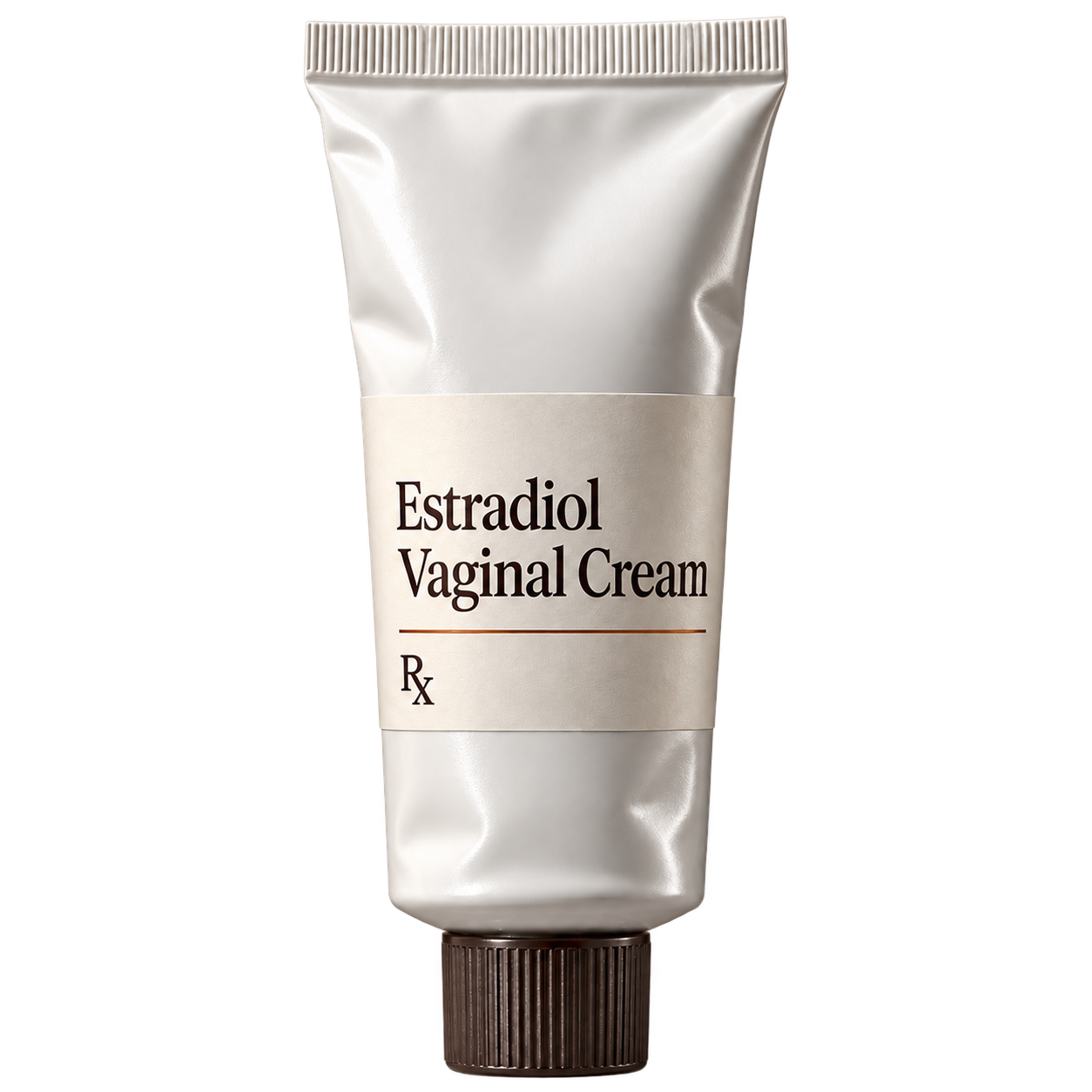
The benefits of vaginal estrogen cream come from restoring estrogen to vaginal tissues that can thin and dry after menopause. For many people, that means less burning, itching, and pain with sex, and sometimes improvement in urinary symptoms tied to genitourinary syndrome of menopause. This page explains what vaginal estradiol products do, who may benefit, and key safety points to review with a clinician.
- Benefits of vaginal estrogen cream include less dryness and painful sex from menopause-related vaginal changes.
- It treats genitourinary syndrome of menopause by improving vaginal tissue thickness and moisture.
- Some people also notice fewer urinary symptoms linked to GSM, but evaluation is still important.
- Local products usually have lower systemic absorption than oral estrogen, but warnings still apply.
- Postmenopausal bleeding or clot symptoms need prompt medical evaluation.
What vaginal estrogen cream is
Prescription estrogen for vaginal use
Vaginal estrogen cream is a prescription estrogen product used inside the vagina to treat symptoms related to low estrogen after menopause. It is intended for local symptom relief rather than whole-body hormone therapy. FDA-approved vaginal estrogen products include estradiol creams and other vaginal estradiol forms such as tablets or rings.
Often used for GSM
Genitourinary syndrome of menopause (GSM) is the term for vaginal and urinary symptoms related to estrogen decline. GSM can include dryness, burning, irritation, and pain with sex, and may overlap with urinary urgency or recurrent urinary discomfort. Vaginal estrogen is a standard prescription option when nonhormonal moisturizers and lubricants are not enough.
Cream vs insert vs ring
People often say “cream,” but prescriptions may be a cream, a vaginal insert (tablet), or a ring. These options can target similar GSM symptoms, while the applicator and dosing schedule differ by product. Your clinician can help match the formulation to your symptoms and preferences.
How it works and what benefits it can provide
Improves vaginal tissue health
After menopause, lower estrogen can lead to thinner, drier vaginal tissue with higher pH and more fragility. Vaginal estradiol acts on estrogen receptors in local tissues and can help reverse these changes over time. This can improve lubrication and reduce irritation and microtears that contribute to discomfort.
Helps painful sex from dryness
A key benefit is reducing pain with sex (dyspareunia) when it is driven by dryness and tissue thinning. FDA labeling for estradiol vaginal products includes treatment of moderate to severe dyspareunia as a symptom of vulvar and vaginal atrophy due to menopause. Many people still use a lubricant during sex while tissues recover.
Relieves dryness, burning, itching
Vaginal estrogen can reduce day-to-day symptoms like dryness, burning, and irritation that come from atrophic (thin) tissue. FDA labeling for estradiol vaginal products includes treatment of moderate to severe symptoms of vulvar and vaginal atrophy due to menopause. If symptoms persist, a clinician may check for other causes such as infection or dermatitis.
May help some urinary symptoms
GSM can involve urinary urgency, frequency, or discomfort that overlaps with urinary tract infection symptoms. Clinical guidance notes that vaginal estrogen can be helpful for urinary symptoms related to GSM and is used in some people with recurrent urinary tract infections after menopause. Urinary pain, blood in urine, fever, or flank pain still needs prompt evaluation.
- FDA-labeled symptom targets
- Moderate to severe dyspareunia and vulvar or vaginal atrophy symptoms due to menopause (product-specific labeling).
- Systemic exposure
- Designed for local effect; systemic absorption varies by product and dose.
- Not a hot flash treatment
- Vaginal products are not intended for vasomotor symptoms unless prescribed as systemic therapy.
Who vaginal estrogen cream may be for
Postmenopausal vaginal symptoms
You may be a candidate if you have persistent vaginal dryness, burning, irritation, or pain with sex that fits GSM. Many people try nonhormonal moisturizers and lubricants first, then consider vaginal estrogen if symptoms continue. A clinician can confirm whether symptoms fit GSM or suggest other evaluations.
Symptoms affecting daily life
Vaginal symptoms can affect sleep, exercise, intimacy, and everyday comfort. Vaginal estrogen is typically considered when symptoms are moderate to severe or interfere with quality of life. Your clinician can help choose a formulation you can use consistently.
People avoiding systemic hormones
Some people want local symptom relief without starting systemic hormone therapy. Vaginal estrogen products generally result in lower systemic estrogen exposure than oral estrogen, but exposure is not zero and varies by product. The decision still depends on your personal risks and contraindications.
After estrogen-lowering treatments
GSM can also occur after treatments that lower estrogen, including some breast cancer therapies. Whether vaginal estrogen is appropriate in that setting is individualized and may involve coordination with oncology. Do not assume it is automatically safe or unsafe without a clinician review.
Who should not use vaginal estrogen, or needs extra caution
Undiagnosed vaginal bleeding
New or unexplained vaginal bleeding after menopause needs medical evaluation before starting or continuing estrogen therapy. Bleeding can have many causes, including conditions that require prompt care. Estrogen product labeling includes warnings related to endometrial cancer risk with unopposed estrogen.
Estrogen-dependent cancers
If you have a history of breast cancer or another estrogen-dependent cancer, vaginal estrogen may be inappropriate or may require specialist input. Many estrogen products list known or suspected estrogen-dependent neoplasia as a contraindication. Your clinician can weigh symptom severity and alternatives.
Blood clots, stroke, heart attack history
Estrogen therapy carries boxed warnings about cardiovascular events and venous thromboembolism (blood clots). Although local vaginal products generally have lower systemic exposure, labeling still includes these class warnings. Tell your clinician if you have a history of blood clots, stroke, or heart attack, or major risk factors.
Liver disease or allergy
Many estrogen products list active liver disease and known hypersensitivity to ingredients as contraindications. If you have significant liver disease or have had allergic reactions to estrogen products or excipients, discuss this before use. Your clinician may choose a different formulation or avoid estrogen.
Pregnancy and breastfeeding
Vaginal estrogen is generally intended for postmenopausal use, and estrogen products have pregnancy-related precautions in labeling. If there is any chance of pregnancy or you are breastfeeding, discuss risks and alternatives with a clinician. Do not self-treat vaginal symptoms with prescription estrogen.
What to expect if you start vaginal estrogen
Benefits are usually gradual
Many people notice gradual improvement rather than an immediate change. Tissue recovery can take time, and your clinician may reassess symptoms after consistent use. If pain with sex persists, additional evaluation for pelvic floor issues or vulvar pain may be needed.
Possible early local irritation
Some people feel temporary burning, itching, or discharge when starting. This can be from the medication, the base (vehicle), or existing fragile tissue. If symptoms are intense, persistent, or accompanied by odor, fever, or pelvic pain, contact a clinician to rule out infection or other causes.
Follow-up is part of safety
Your clinician may recommend follow-up to confirm symptom improvement and review any bleeding or side effects. Estrogen labeling emphasizes using the lowest effective dose for the shortest duration consistent with treatment goals. If you have a uterus, clinicians also consider endometrial safety when estrogen is used.
Lubricants can still help
Vaginal estrogen can improve baseline tissue health, but it does not replace situational support during sex. Many people still use a lubricant for comfort and a moisturizer for day-to-day dryness. If you have frequent tears or pain, a clinician can help adjust the plan.
Side effects and safety warnings
Vaginal irritation or burning
Local irritation, burning, itching, or discomfort can occur, especially early on when tissues are fragile. If symptoms worsen over time, you develop a new odor, or you have pelvic pain, you may need evaluation for infection or another condition. Product labeling for vaginal estradiol products includes local reactions among possible adverse effects.
Vaginal discharge
Some people notice increased discharge, which can be related to the medication base or changes in vaginal tissue. Discharge that is foul-smelling, green or yellow, or associated with fever or pain should be evaluated. Labeling for vaginal estradiol products includes vaginal discharge among reported adverse reactions.
Breast tenderness or headache
Although vaginal products are intended to act locally, some systemic absorption can occur, and symptoms like breast tenderness, nausea, or headache are reported with estrogen therapies. If you develop new migraines, vision changes, or severe headaches, seek medical advice promptly. The likelihood varies by product and dose.
Abnormal vaginal bleeding
Postmenopausal bleeding is not expected and should be evaluated. Estrogen products carry warnings about endometrial cancer risk with unopposed estrogen in people with a uterus, and bleeding can be a sign that needs workup. Contact a clinician promptly if you have spotting or bleeding after menopause.
Blood clots, stroke, heart attack
Estrogen therapies carry boxed warnings about increased risks of stroke, deep vein thrombosis, pulmonary embolism, and myocardial infarction in certain populations. Even with local therapy, you should know warning signs such as chest pain, sudden shortness of breath, or one-sided weakness. Discuss your personal clot and cardiovascular risk with a clinician.
Breast cancer and dementia warnings
Estrogen and estrogen plus progestin therapies carry boxed warnings related to breast cancer risk and probable dementia in certain age groups based on studies of systemic hormone therapy. Vaginal products generally have lower systemic exposure, but labeling includes class warnings. Your clinician can help interpret what applies to your situation.
Cost and access
What drives the cost
Cost depends on the specific product and formulation (cream vs insert vs ring), the dose and quantity prescribed, and whether you use an FDA-approved product or a compounded preparation. Pharmacy dispensing fees and shipping can also affect the total. Current prices for the offered product are shown on this page in the price block.
Insurance coverage varies
Some insurance plans cover certain vaginal estrogen products but not others, or they may require prior authorization or step therapy. Coverage can differ between brand and generic estradiol products and between formulations. If a product is compounded, it is often not covered the same way as FDA-approved products.
Prescription and follow-up matter
Access typically requires a prescription and periodic follow-up, especially if you have bleeding, new breast symptoms, or cardiovascular risk factors. Estrogen labeling emphasizes individualized risk assessment and using the lowest effective dose for the shortest duration consistent with goals. Your clinician can also help choose an option you can use consistently.
How to get vaginal estradiol treatment safely
- 1
Confirm the symptom pattern
A clinician reviews your symptoms and checks for other causes like infection, dermatitis, or vulvar pain conditions.
- 2
Review risks and contraindications
You discuss history of bleeding, blood clots, stroke, estrogen-dependent cancers, and current medications.
- 3
Choose a formulation and plan
Together you pick a vaginal estrogen option and a follow-up plan based on response and side effects.
- 4
Reassess and adjust if needed
If symptoms persist or bleeding occurs, your clinician may evaluate further or change the approach.
Frequently Asked Questions
What are the benefits of vaginal estrogen cream?
Benefits of vaginal estrogen cream mainly include relief of vaginal dryness, burning, irritation, and pain with sex related to menopause-associated tissue changes. It is commonly used for genitourinary syndrome of menopause. A clinician can confirm whether your symptoms fit this pattern.
Is vaginal estrogen cream the same as hormone replacement therapy?
Vaginal estrogen is typically local therapy for vaginal symptoms, while hormone replacement therapy often refers to systemic estrogen (with or without progestin) for whole-body symptoms like hot flashes. Vaginal products generally have lower systemic absorption than oral estrogen, but warnings still apply. Discuss which approach matches your goals and risks.
How long does it take to notice benefits from vaginal estrogen cream?
Improvement is often gradual because vaginal tissues need time to recover from low-estrogen changes. The timeline varies by product and symptom severity, so follow-up with your clinician matters. If symptoms persist, your clinician may reassess for other causes.
What side effects should I watch for with vaginal estrogen?
Common side effects can include local irritation or discharge. More serious concerns include postmenopausal bleeding and symptoms of blood clots or stroke, which need urgent evaluation. Review your medical history with a clinician before starting any estrogen product.
Can I get vaginal estrogen through Vitals Vault?
Vitals Vault can help you connect with a licensed clinician who reviews your health history and decides whether treatment is appropriate for you. If prescribed, treatment plans include clinician consults and ongoing support, and availability depends on the state you live in. Options and fulfillment details depend on the specific product offered.