
Estriol cream: what it is and how to get it
Estriol cream is a topical estrogen made by compounding pharmacies for individualized prescriptions. See potential uses, safety, cost drivers, and access.
Key facts
- Answer a few health questions online. A licensed clinician reviews them. If approved, it ships to your door.
- Adults 18 or older. A licensed clinician reviews your health history and decides whether treatment is appropriate for you. Availability depends on the state you live in.





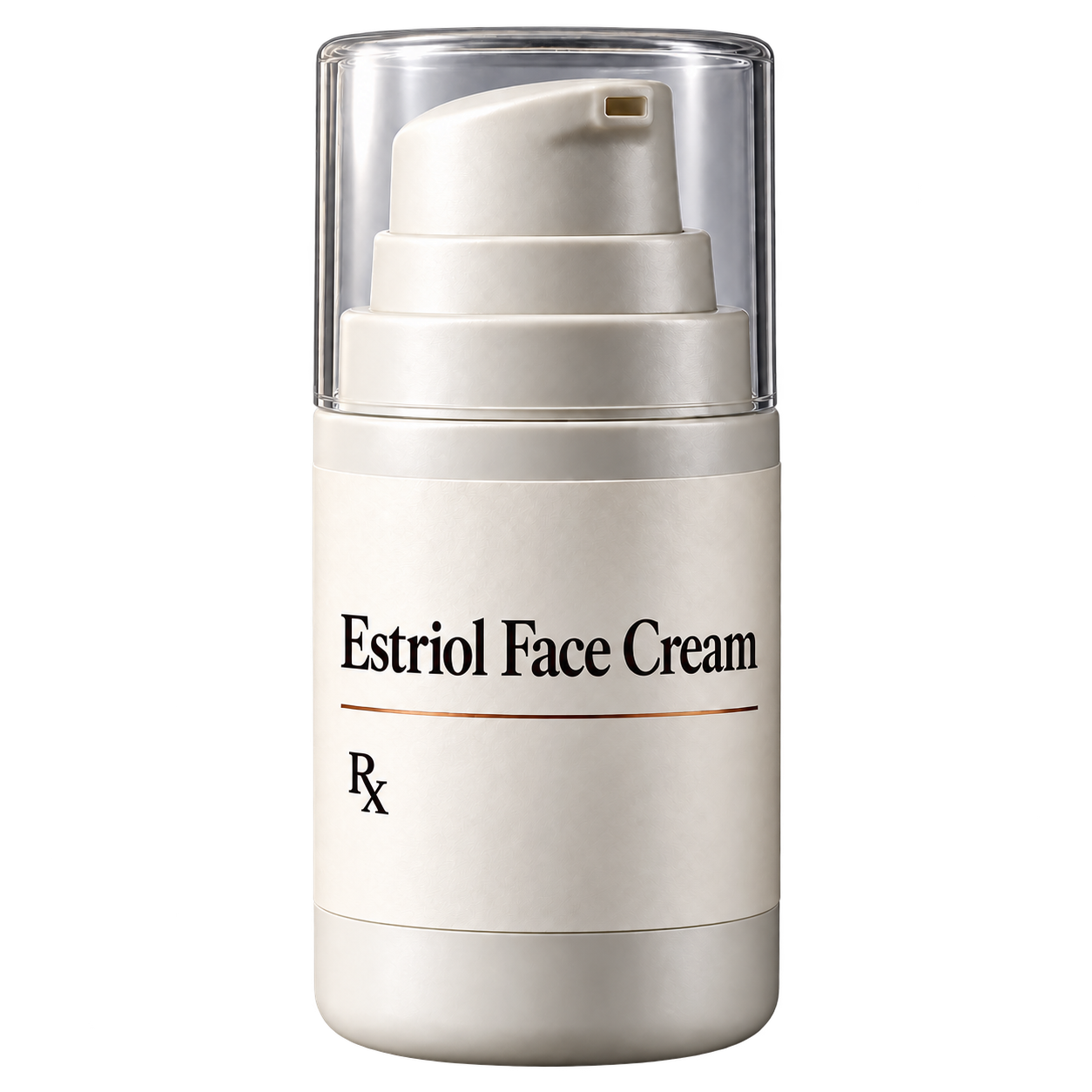
Estriol cream is a topical form of estrogen that some clinicians use to address low-estrogen symptoms, often around menopause. Because estriol products in the US are typically compounded, the exact formulation and absorption can vary by pharmacy and by how and where you apply it. This page explains what estriol cream is, who it may or may not fit, common and serious side effects to know, and what drives cost and access.
- Estriol cream is a topical estrogen made by a compounding pharmacy for an individual prescription.
- Because it is compounded, estriol cream is not FDA-approved and products can vary by pharmacy.
- Potential benefits and risks depend on where it is applied and how much is absorbed systemically.
- Estrogen products can carry serious risks, so a clinician should review your history first.
What estriol cream is
A form of estrogen
Estriol is one of the three main human estrogens (along with estradiol and estrone). Estriol is sometimes described as a weaker estrogen than estradiol, but it can still activate estrogen receptors and cause estrogen-type effects in the body.
Usually compounded in the US
In the United States, estriol cream is commonly prepared by compounding pharmacies for an individual prescription. Compounded medications are prepared by a licensed pharmacy for an individual prescription and are not FDA-approved.
Different from estradiol creams
Estradiol is the estrogen used in multiple FDA-approved products, including vaginal creams and other vaginal forms for genitourinary symptoms of menopause. Estriol cream is a different ingredient, so safety, dosing, and evidence may not match estradiol products.
Topical versus vaginal use
People use the term estriol cream for both skin-applied products and vaginal products. Where it is applied matters because local effects and how much reaches the bloodstream can differ, which can change both benefits and risks.
How estriol cream works
Replaces estrogen signaling
Estriol binds to estrogen receptors in tissues such as the skin and urogenital tract. For some people, restoring estrogen signaling can improve symptoms related to low estrogen, but the effect depends on the tissue and the amount absorbed.
Local and systemic absorption
Any estrogen applied to the body can be absorbed to some degree. The balance between local effects and systemic exposure depends on the formulation, the dose, and the application site, which is one reason compounded products can be harder to compare.
Effects on the uterus matter
If enough estrogen reaches the bloodstream, it can stimulate the uterine lining (endometrium) in people who still have a uterus. Unopposed estrogen exposure can increase the risk of endometrial hyperplasia and endometrial cancer, which is why clinicians consider whether progesterone is needed.
Why estriol vs estradiol comes up
Estradiol is the primary estrogen before menopause and is the ingredient in several FDA-approved therapies. Estriol is sometimes chosen when a clinician is aiming for a different balance of effects, but it is still an estrogen and should be treated with the same seriousness about screening and monitoring.
Who estriol cream may be for
Menopause-related symptoms
Estriol cream is most often discussed in the context of perimenopause or menopause, when estrogen levels decline. A clinician can help you sort out whether symptoms are likely estrogen-related or could have another cause.
People needing individualized formulations
Some people look for compounded estriol when they need a specific base, concentration, or combination that is not available in an FDA-approved product. Your clinician should explain what is known and what is uncertain with compounded hormone therapy.
Those avoiding oral estrogen
Some people prefer a non-oral route because oral estrogen has first-pass metabolism in the liver. Topical routes can still lead to systemic exposure, so route alone does not remove risk.
People comparing estriol vs estradiol
If you are deciding between estriol and estradiol, it helps to compare evidence quality and product consistency. Estradiol has multiple FDA-approved options with standardized labeling, while estriol in the US is typically compounded.
Who should not use estriol cream
Estrogen-sensitive cancers
If you have a history of breast cancer or other estrogen-sensitive cancers, do not start any estrogen product without oncology and clinician guidance. Even topical products can be absorbed and may not be appropriate.
Blood clots or stroke history
Estrogen therapy can increase the risk of blood clots (venous thromboembolism) and stroke, especially with systemic exposure. If you have a prior clot, stroke, or high-risk clotting condition, your clinician needs to weigh risks carefully.
Unexplained vaginal bleeding
Unexplained vaginal bleeding should be evaluated before using estrogen. Bleeding can be a sign of endometrial changes that need diagnosis and treatment first.
Pregnancy or breastfeeding
Estrogen products are generally avoided in pregnancy, and use during breastfeeding should be discussed with a clinician. If pregnancy is possible, confirm your status and contraception plan before any hormone therapy.
Severe liver disease
Estrogens are metabolized by the liver, and significant liver disease can change how your body handles hormones. Your clinician may recommend avoiding estrogen or choosing a different approach based on your history.
What to expect with estriol cream
A clinician sets the plan
Because estriol cream is compounded, there is no single FDA label that standardizes strength, directions, or monitoring. Your prescribing clinician should tell you how to use your specific product and what follow-up is needed.
Symptom tracking matters
Hormone-related symptoms can overlap with thyroid issues, mood disorders, skin conditions, infections, and medication side effects. Tracking what changes and what does not helps your clinician decide whether estriol is helping or whether another evaluation is needed.
You may need monitoring
Depending on your symptoms and risk factors, a clinician may recommend exams, screening, or labs before and during treatment. Monitoring is especially important if there is concern for systemic absorption or if you have a uterus.
Expect product variability
Compounded products can differ in base ingredients and how much drug is delivered per application. If you switch compounding pharmacies or the formulation changes, your response and side effects can change too.
Estriol cream side effects and warnings
Skin irritation
Redness, itching, burning, or rash can happen where the cream is applied, especially with certain bases or fragrances. If irritation is persistent or severe, stop using the product and contact the prescribing clinician to discuss alternatives.
Breast tenderness
Breast tenderness or swelling can occur with estrogen exposure, particularly if enough hormone is absorbed systemically. Tell your clinician if you notice new breast changes or nipple discharge so they can evaluate and adjust your plan.
Headache or nausea
Some people report headache, nausea, or fluid retention with estrogen therapy. These symptoms can also have other causes, so report them rather than trying to push through them, especially if they are new or worsening.
Vaginal bleeding or spotting
Any unexpected vaginal bleeding after menopause needs medical evaluation. Estrogen exposure can stimulate the uterine lining in people with a uterus, which is one reason clinicians consider whether progesterone is needed and whether additional testing is appropriate.
Blood clots and stroke
Systemic estrogen therapy is associated with increased risks of blood clots and stroke. Even with topical products, absorption can occur, so discuss your personal clot and cardiovascular risk factors with your clinician before starting and if symptoms develop.
Breast cancer risk considerations
Estrogen therapy can affect breast tissue, and combined estrogen plus progestin therapy has been associated with increased breast cancer risk in large studies of menopausal hormone therapy. Your clinician should review your personal and family history and screening plan before treatment.
Cost and access for estriol cream
What drives cost
Cost is influenced by whether the product is compounded, the strength and base used, the quantity dispensed, and the dispensing pharmacy. Required clinician visits and any recommended labs can also affect your total out-of-pocket cost.
Insurance coverage varies
Compounded hormone products are often not covered the same way as FDA-approved medications, and coverage can vary widely by plan. If cost is a concern, ask your clinician about FDA-approved alternatives and what your plan typically covers.
Current prices on this page
If you are viewing this through Vitals Vault, current catalog pricing for the estriol cream product is shown on this page in the price block. Pricing can change over time and may differ by formulation.
Access depends on state rules
Telehealth prescribing and pharmacy dispensing rules vary by state. Availability depends on the state you live in, and a licensed clinician must decide whether treatment is appropriate for you.
How to get estriol cream safely
- 1
Review your symptoms and goals
Note what symptoms you are trying to address, what you have tried, and any history of clots, cancer, or abnormal bleeding.
- 2
Complete an intake with a clinician
A licensed clinician reviews your health history and decides whether estriol cream or another option fits your situation.
- 3
Get labs if requested
A clinician may ask for recent lab results before prescribing, especially when symptoms overlap with other conditions.
- 4
Follow up and reassess
Plan for follow-up to review symptom response, side effects, and whether screening or monitoring needs to change.
Frequently Asked Questions
What is estriol cream used for?
Estriol cream is used by some clinicians to address symptoms related to low estrogen, often around perimenopause or menopause. Because estriol products in the US are typically compounded, the exact use and monitoring plan should be individualized by a clinician.
Is estriol vs estradiol the same thing?
No. Estriol and estradiol are different estrogens, and estradiol is the ingredient in multiple FDA-approved products. If you are comparing estriol vs estradiol, ask your clinician about evidence quality, product consistency, and how risks may differ for you.
What are estriol cream side effects?
Estriol cream side effects can include local irritation and, if enough is absorbed, estrogen-type effects like breast tenderness or headache. More serious concerns with estrogen exposure include blood clots, stroke, and abnormal vaginal bleeding, which should be evaluated promptly.
Is topical estriol cream FDA-approved?
In the US, estriol cream is commonly compounded, which means it is not FDA-approved. Compounded medications are prepared by a licensed pharmacy for an individual prescription, and the formulation can vary by pharmacy.
How much does estriol cream cost?
Cost depends on the compounding pharmacy, the formulation, and whether clinician visits and labs are needed. If you are viewing this page through Vitals Vault, current catalog pricing for the listed estriol cream product is shown in the price block on this page.