
Estriol vaginal cream: what it is and how it’s used
Estriol vaginal cream is a local estrogen used for vaginal dryness and discomfort. Learn who it may fit, the risks, and how access works.
Key facts
- Answer a few health questions online. A licensed clinician reviews them. If approved, it ships to your door.
- Adults 18 or older. A licensed clinician reviews your health history and decides whether treatment is appropriate for you. Availability depends on the state you live in.





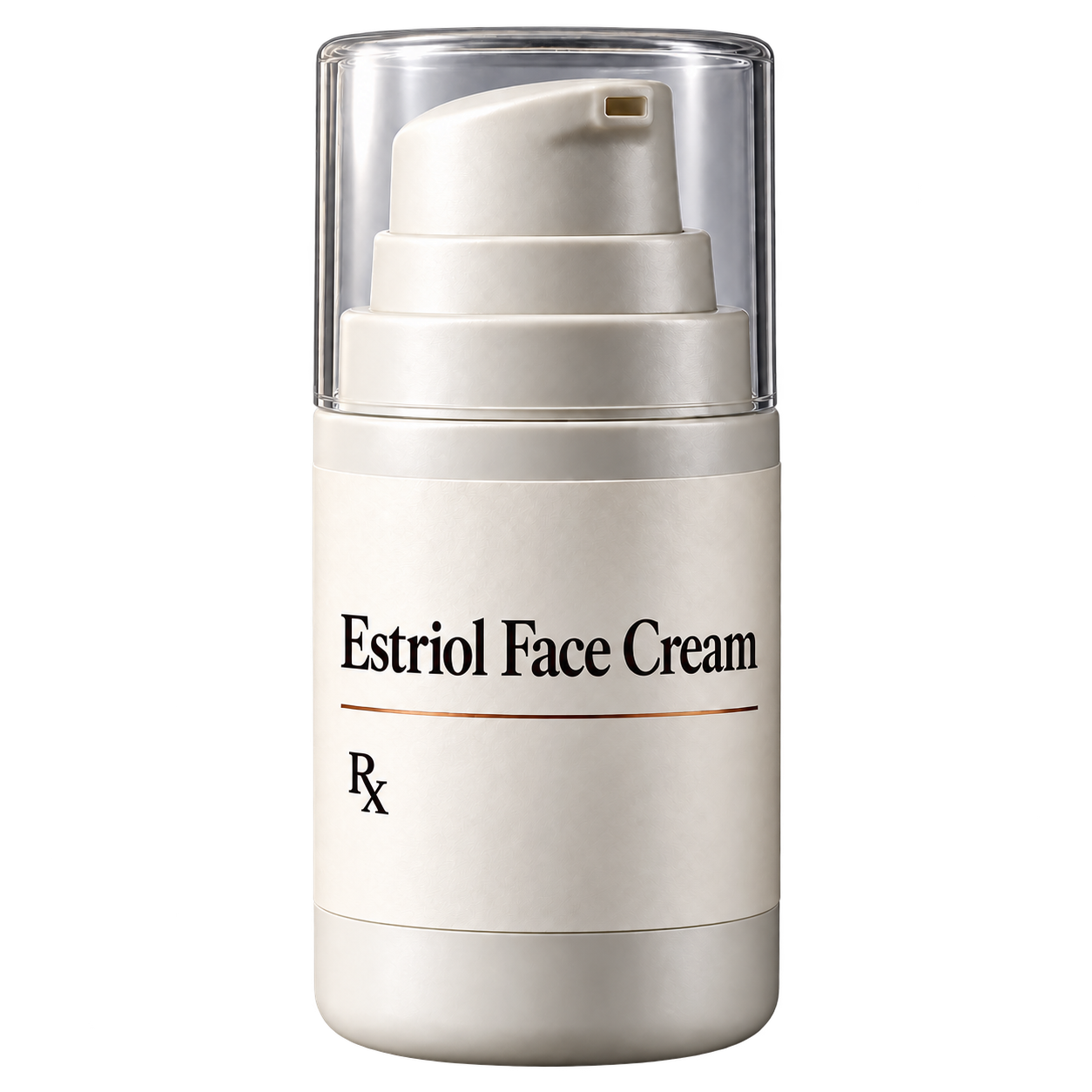
Estriol vaginal cream is a vaginal estrogen product used to help relieve symptoms linked to menopause-related vaginal and urinary changes, such as dryness, burning, irritation, and pain with sex. Because estriol products in the US are commonly compounded, what you receive can vary by pharmacy and prescription. This page explains what estriol vaginal cream is, who it may or may not fit, what side effects to watch for, and how access typically works through Vitals Vault with clinician review and follow-up support.
- Estriol vaginal cream is a local estrogen option for vaginal dryness and painful sex from menopause-related changes.
- Many estriol vaginal creams are compounded, meaning they are not FDA-approved and are made for individual prescriptions.
- Local vaginal estrogen is generally used at low doses, but estrogen class warnings still matter for some people.
- A clinician should review your symptoms, cancer and clot history, and any unexplained vaginal bleeding before treatment.
What estriol vaginal cream is
A local estrogen therapy
Estriol is a type of estrogen. When used vaginally, it is intended to act mainly on vaginal tissues to help with dryness and irritation that can happen after menopause.
Often a compounded medication
In the US, estriol vaginal cream is typically compounded, meaning it is prepared by a licensed pharmacy for an individual prescription and is not FDA-approved. The exact strength and base can differ by pharmacy.
Used for GSM symptoms
Clinicians often use vaginal estrogen products for genitourinary syndrome of menopause (GSM), which includes vaginal dryness, burning, and discomfort with sex, and sometimes urinary symptoms.
Not the same as estradiol
Estriol is different from estradiol, the estrogen in several FDA-approved vaginal products. If you want an FDA-approved option, ask about estradiol vaginal creams, tablets, rings, or inserts.
How estriol vaginal cream works
Replaces local estrogen signaling
After menopause, estrogen levels fall and vaginal tissue can become thinner, drier, and more fragile. Local estrogen therapy helps restore estrogen effects in the vaginal lining, which can improve moisture and elasticity.
Targets symptoms, not hormone “optimization”
The goal is symptom relief and improved vaginal tissue health, not reaching a specific blood estrogen number. Some people still need evaluation for other causes of symptoms, such as infection or skin conditions.
Systemic absorption can still occur
Even when estrogen is used vaginally, some absorption into the bloodstream may happen depending on the product and dose. That is why your clinician considers estrogen-related risks and your medical history.
Who estriol vaginal cream may be for
Vaginal dryness or burning
If menopause-related changes are causing persistent dryness, burning, or irritation, a clinician may consider local estrogen therapy after ruling out other causes.
Pain with sex from dryness
When pain with sex is driven by dryness and fragile tissue, local estrogen can be one option. Your clinician may also discuss lubricants, moisturizers, pelvic floor therapy, or other prescriptions.
Recurrent urinary discomfort
Some people with GSM have urinary symptoms such as urgency or discomfort. Vaginal estrogen is discussed in guidelines as a treatment option for GSM-related urinary symptoms.
People avoiding systemic hormones
If you do not want or cannot take systemic menopausal hormone therapy, local vaginal options may be discussed. Your clinician will still weigh estrogen class warnings and your individual risk factors.
Who should not use estriol vaginal cream without clinician guidance
Unexplained vaginal bleeding
Bleeding after menopause needs evaluation before starting any estrogen product. Your clinician may recommend an exam and further testing to rule out endometrial (uterine lining) problems.
Estrogen-sensitive cancers
If you have a history of breast cancer or other estrogen-sensitive cancers, do not start vaginal estrogen on your own. Decisions often involve your oncology team and depend on cancer type, treatment status, and symptom severity.
Blood clots or stroke history
Estrogen products carry class warnings about blood clots and stroke. Even though vaginal therapy is usually considered lower exposure than systemic estrogen, your clinician should review your clotting history and risk factors.
Liver disease or pregnancy
Estrogen use may be inappropriate in certain liver conditions, and it is not intended for use in pregnancy. Tell your clinician if you could be pregnant or have significant liver disease.
Allergy to ingredients
Compounded creams can include different bases and additives. If you have sensitivities, ask the pharmacy and clinician about inactive ingredients and alternatives.
What to expect with estriol vaginal cream
Symptom-focused follow-up
Your clinician will usually track how your symptoms change over time and whether you have irritation or bleeding. If symptoms persist, you may need an exam to confirm the diagnosis and rule out other causes.
Possible local irritation at first
Some people notice temporary burning, itching, or discharge when starting a vaginal product. If symptoms are severe, persistent, or include bleeding, contact your clinician.
Ongoing reassessment
GSM is often chronic, so treatment plans may involve periodic reassessment of benefits and risks. Your clinician may also discuss nonhormonal moisturizers and lubricants as part of a complete plan.
Application instructions vary
Because estriol vaginal cream is commonly compounded, instructions can differ by prescription and pharmacy. Follow the directions provided with your prescription and ask your clinician or pharmacist to show you how to use the applicator if one is included.
Estriol vaginal cream side effects and warnings
Vaginal irritation or burning
Local irritation can happen with vaginal creams, especially early on or if you are sensitive to the cream base. If you develop severe pain, swelling, rash, or symptoms that do not improve, contact your clinician.
Vaginal discharge
Some discharge can occur with vaginal creams. New foul odor, fever, pelvic pain, or significant itching can signal infection or another condition that needs evaluation.
Breast tenderness or spotting
Because some systemic absorption may occur, estrogen-type effects such as breast tenderness can happen. Any postmenopausal bleeding or persistent spotting should be evaluated, even if you are using a vaginal product.
Blood clots and stroke symptoms
Estrogen products carry class warnings for blood clots and stroke. Get urgent care for chest pain, sudden shortness of breath, coughing blood, one-sided leg swelling, sudden weakness, severe headache, or vision changes.
Endometrial cancer concern with estrogen
In people with a uterus, unopposed estrogen exposure can increase the risk of endometrial (uterine lining) cancer. Vaginal estrogen is often lower dose than systemic therapy, but any unexplained bleeding needs evaluation.
Breast cancer considerations
Systemic estrogen therapy has important breast cancer considerations, and vaginal estrogen decisions can be complex for people with a breast cancer history. Do not self-treat; involve your clinician and, when relevant, your oncology team.
Cost and access for estriol vaginal cream
What drives cost
Cost can depend on whether the product is compounded, the prescribed strength and base, the dispensing pharmacy, and whether follow-up visits are included. If current prices are available for this product, they are shown on this page in the price block.
Insurance coverage varies
Compounded medications are often not covered the same way as FDA-approved prescriptions. If coverage matters to you, ask whether an FDA-approved vaginal estrogen option could meet your goals.
Why access can differ by state
Telehealth prescribing rules and pharmacy dispensing policies vary by state. Availability depends on where you live and what a licensed clinician determines is appropriate.
What you can do before a visit
Write down your symptoms, when they started, and any bleeding, pelvic pain, or urinary symptoms. Also list your cancer history, clot history, and current medications so your clinician can assess safety.
How to get estriol vaginal cream
- 1
Complete an intake
Share your symptoms, medical history, medications, and any history of bleeding, clots, or hormone-sensitive cancers.
- 2
Clinician review
A licensed clinician reviews your health history and decides whether estriol vaginal cream or another option fits your situation.
- 3
Consider labs if requested
A clinician may ask for recent lab results before prescribing, depending on your history and goals.
- 4
Get a plan and follow-up
If prescribed, you receive clinician guidance and ongoing support, with follow-up based on symptoms and safety.
Frequently Asked Questions
What is estriol vaginal cream used for?
Estriol vaginal cream is used to help relieve menopause-related vaginal symptoms such as dryness, burning, irritation, and pain with sex. Clinicians often group these symptoms under genitourinary syndrome of menopause (GSM).
Is estriol vaginal cream FDA-approved?
Many estriol vaginal creams in the US are compounded, which means they are not FDA-approved. If you prefer an FDA-approved vaginal estrogen option, ask a clinician about estradiol-based products.
Is estriol vaginal cream safe if I had breast cancer?
This is a decision that should be made with your clinician and, when relevant, your oncology team. Even though vaginal estrogen is often lower exposure than systemic therapy, your cancer type, treatment status, and symptom severity matter.
What side effects can estriol vaginal cream cause?
Common effects can include local irritation, burning, or discharge. Because some absorption may occur, estrogen-type effects like breast tenderness or spotting can happen, and any postmenopausal bleeding should be evaluated.
How much does estriol vaginal cream cost?
Cost depends on whether it is compounded, the prescribed formulation, the dispensing pharmacy, and what follow-up care is included. If current prices are available for this product, they are shown on this page in the price block.