
01
The Struggle
Amelia Brooks had always lived in motion. Her mornings started with a run through the Rockies and ended teaching two spin classes. But by spring, her energy crashed. Her muscles cramped, her focus blurred, and mid-run dizziness became routine. She drank more water, yet felt worse.
Her doctor said her labs were 'fine.' Sodium slightly low, potassium borderline. But she knew something was off. 'I could run a marathon but couldn’t climb a flight of stairs without feeling hollow.' Her body wasn’t dehydrated, it was disconnected.
02
The Breaking Point
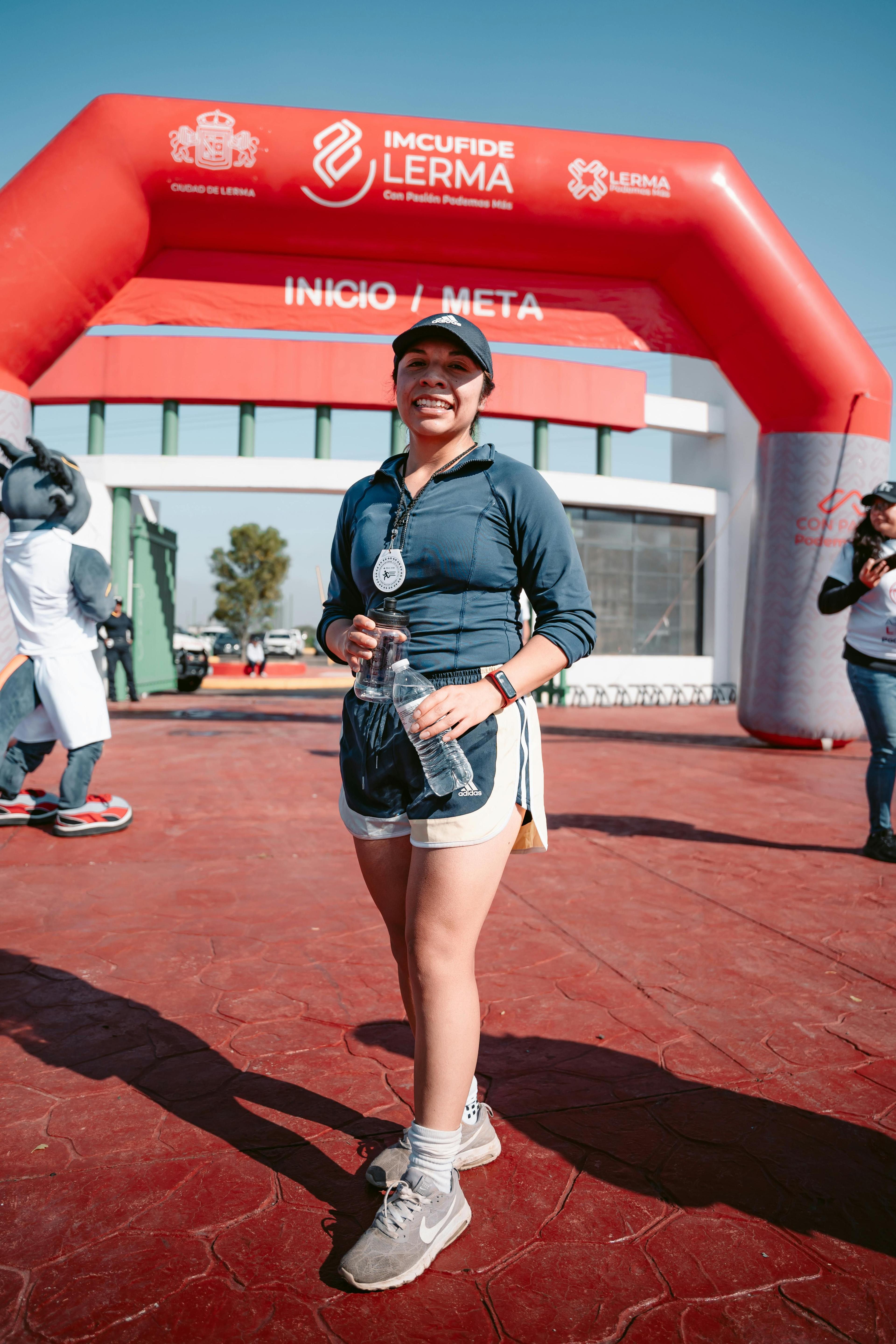
It happened mid-race at the Boulder Half Marathon. Mile 9, the world tilted. She staggered, slowed, then stopped, her vision swimming. The medics said hyponatremia, too much water, not enough electrolytes. The irony wasn’t lost on her.
That night, she found Vitals Vault while scrolling through recovery forums. Their post on electrolyte biomarkers and cellular hydration caught her attention.
“I didn’t need another sports drink,” she thought. “I needed science.”
She ordered the Fluid & Electrolyte Balance Panel that same evening.
03
The Discovery
Five days later, her results revealed the truth: Sodium 128 mmol/L (low), Potassium 3.2 mmol/L, Chloride 93 mmol/L, Magnesium 1.55 mg/dL, BUN/Creatinine ratio 30, Serum Osmolality 266 mOsm/kg, a profile of chronic dilutional imbalance.
Vitals Vault’s AI report summarized: ‘Low plasma sodium and magnesium; overhydration with poor cellular uptake; consider mineralized hydration protocol.’
For the first time, she saw that more water wasn’t the answer, better balance was.
04
The Process
Amelia began a new kind of training, not for endurance, but for equilibrium. She replaced plain water with electrolyte-rich hydration, tracked her intake, and added Himalayan salt, potassium citrate, and magnesium glycinate to her meals. Each morning, she checked her heart rate variability and energy levels.
By Week 6, her biomarkers began shifting: Sodium 135, Potassium 4.0, Magnesium 1.85, Osmolality 282. Her cramps vanished, focus sharpened, and her post-run fatigue halved.
“Hydration wasn’t about more water,” she wrote in her journal. “It was about smarter water.”
By month six, she ran a full marathon again, steady, strong, and smiling at the finish line.
05
The Breakthrough
Her follow-up report at month nine looked like an athlete’s dream: Sodium 140, Potassium 4.4, Magnesium 2.05, BUN/Creatinine 17, Osmolality 287, CRP 0.7. Her energy felt limitless but controlled. She even noticed calmer recovery days, no crashes, no fog.
Her coach asked her what changed. Amelia smiled: “I stopped training against my biology.”
06
The Reflection
Now, Amelia begins each class with the same reminder: “Your performance is powered by minerals, not miracles.” She tests her hydration quarterly and drinks to data, not habit.
“Electrolyte balance isn’t just athletic science,” she says. “It’s human maintenance.”
She keeps her first Vitals Vault report pinned to her fridge, a reminder that sometimes, the strongest thing a runner can do is replenish, not push.