
Tirzepatide insomnia: why it happens and what helps
Tirzepatide insomnia can happen, often from nausea, reflux, or appetite changes that disrupt sleep. Review timing, triggers, and when to call a clinician.
Key facts
- Tirzepatide + B12 is $169/month (billed $169 every 4 weeks), charged only after a clinician approves it.
- Answer a few health questions online. A licensed clinician reviews them. If approved, it ships to your door.
- Adults 18 or older. A licensed clinician reviews your health history and decides whether treatment is appropriate for you. Availability depends on the state you live in.


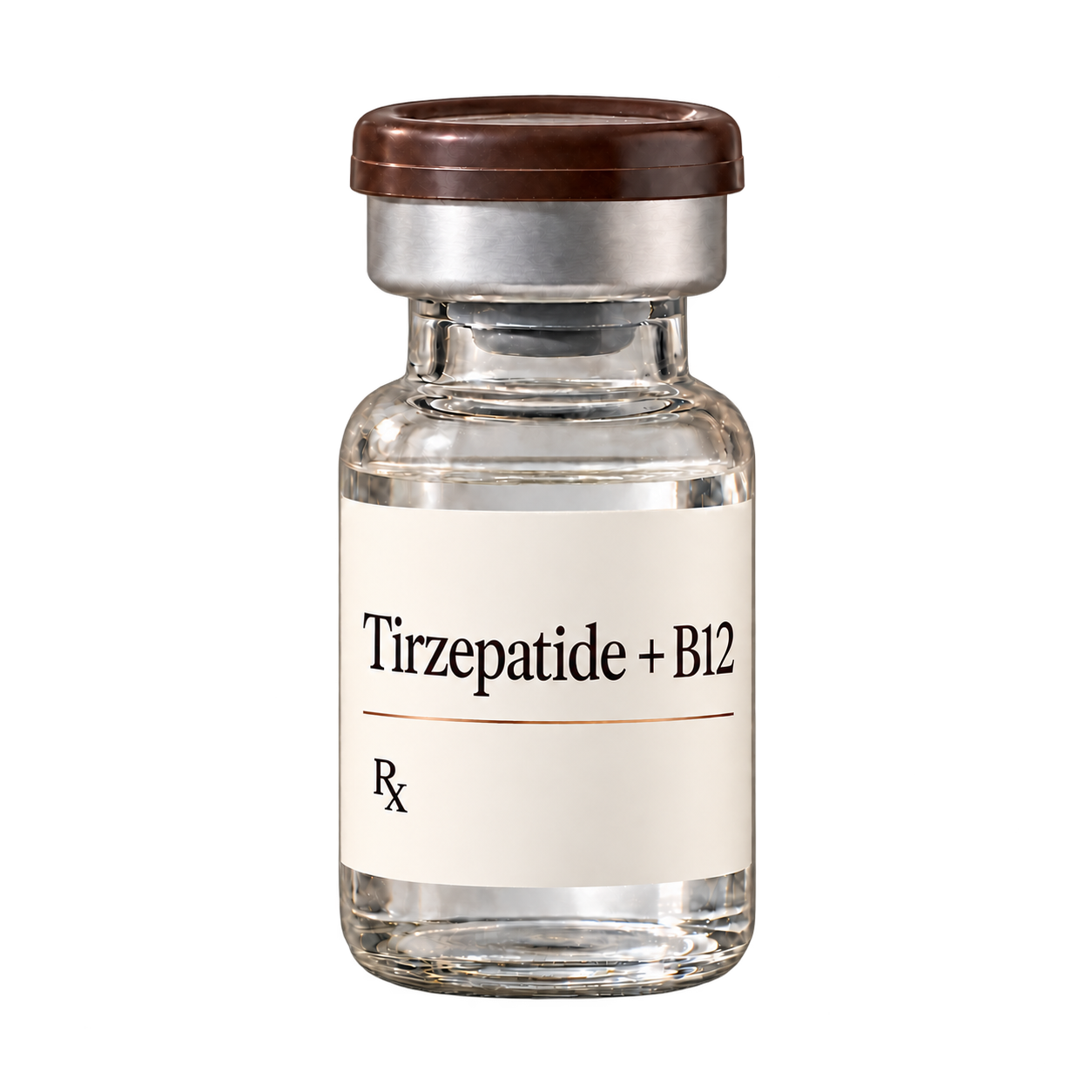
If you searched for tirzepatide insomnia, you are likely noticing trouble falling asleep or staying asleep after starting or adjusting tirzepatide. While sleep problems are not highlighted as a primary adverse reaction in the FDA prescribing information, some people report insomnia during treatment. This page explains the most common reasons sleep can worsen while on tirzepatide and what you can do to reduce triggers safely. If you are using a compounded formulation, your prescribing clinician and pharmacy should guide you, and Vitals Vault can help you connect with that care.
- Tirzepatide insomnia is possible, but sleep issues are not a core listed side effect in the FDA label.
- Sleep disruption is often indirect, from nausea, reflux, reduced intake, or stress from side effects.
- If insomnia is new, severe, or paired with concerning symptoms, contact your prescribing clinician promptly.
- Do not change your dose or schedule on your own; ask about options to reduce GI side effects.
Does tirzepatide cause insomnia?
Not a headline label effect
In the FDA prescribing information for tirzepatide products, the most emphasized adverse reactions are gastrointestinal, such as nausea, diarrhea, decreased appetite, vomiting, constipation, dyspepsia, and abdominal pain. That does not rule out insomnia, but it suggests sleep issues are often secondary to other symptoms.
Individual response varies
Sleep can change for many reasons during weight management treatment, including changes in eating patterns, caffeine use, stress, and other medications. A clinician can help sort out whether tirzepatide is likely contributing and what to adjust safely.
Compounded is different
If you are using compounded tirzepatide, it is prepared by a licensed pharmacy for an individual prescription and is not FDA-approved. Side effects and tolerability can still resemble tirzepatide, but product-specific details can vary by pharmacy.
Why sleep can worsen on tirzepatide and what may help
Nausea or queasiness at night
Nausea is a common adverse reaction with tirzepatide in clinical studies and can make it harder to fall asleep or can wake you up. If nausea is driving insomnia, ask your clinician about strategies to reduce GI side effects rather than trying to push through it.
Reflux or indigestion
Dyspepsia and abdominal discomfort are listed adverse reactions with tirzepatide and can feel worse when you lie down. If heartburn or a sour taste is waking you up, bring it up early so your clinician can review triggers and safe treatment options.
Eating too little or too late
Decreased appetite is a common effect of tirzepatide. Some people unintentionally under-eat during the day and then feel hungry, shaky, or uncomfortable at night, which can disrupt sleep. A clinician or dietitian can help you plan steadier intake without changing your medication on your own.
Dehydration or electrolyte shifts
Diarrhea and vomiting are listed adverse reactions and can lead to dehydration, cramps, or nighttime awakenings. If you cannot keep fluids down, have persistent diarrhea, or feel lightheaded, contact a clinician promptly.
Low blood sugar risk with other meds
Tirzepatide can increase the risk of hypoglycemia when used with insulin or insulin secretagogues such as sulfonylureas. Nighttime sweating, shakiness, or waking suddenly can have many causes, but if you use diabetes medications, you should discuss symptoms urgently with your prescriber.
Anxiety about side effects
Worry about nausea, vomiting, or other symptoms can create a cycle of hypervigilance that makes insomnia worse. If you are avoiding sleep because you feel unwell, that is a sign to talk with your clinician about symptom control and whether your plan needs adjustment.
- Common label side effects that can disrupt sleep
- Nausea, diarrhea, decreased appetite, vomiting, constipation, dyspepsia, abdominal pain.
- Serious risk to keep in mind
- Hypoglycemia risk increases when tirzepatide is used with insulin or sulfonylureas.
- Compounded formulation note
- Compounded tirzepatide is not FDA-approved and is prepared for an individual prescription.
When to talk to a clinician about insomnia on tirzepatide
Insomnia lasts more than a week
If sleep problems persist, your clinician can check for treatable drivers such as reflux, dehydration, medication interactions, or an overly aggressive pace of dose escalation. Bring a short log of sleep timing and symptoms to make the visit more efficient.
You have dehydration symptoms
Call promptly if vomiting or diarrhea is persistent or if you feel dizzy, faint, or unable to keep fluids down. These can worsen sleep and may require medical evaluation and supportive care.
You use insulin or sulfonylureas
If you take other diabetes medications, especially insulin or sulfonylureas, discuss any nighttime shakiness, sweating, confusion, or unusual awakenings right away. Your clinician may need to review your overall regimen to reduce hypoglycemia risk.
Severe abdominal pain
Severe, persistent abdominal pain with or without vomiting can be a warning sign for pancreatitis or gallbladder disease, which are listed warnings for tirzepatide products. Seek urgent medical care rather than trying to manage symptoms at home.
Mood changes or agitation
If insomnia comes with marked anxiety, agitation, or mood changes, tell a clinician. Sleep loss can worsen mental health, and your care team can help you decide whether symptoms are medication-related or due to another cause.
Practical sleep tips while on tirzepatide
Track the trigger
Note whether insomnia follows nausea, reflux, diarrhea, or appetite changes.
Keep evenings gentle
Avoid heavy, high-fat meals close to bedtime if reflux is an issue.
Hydrate earlier
Aim for steady fluids earlier in the day if GI symptoms allow.
Limit late caffeine
Caffeine can compound stimulant-like wakefulness and GI upset.
Ask about symptom control
If nausea or reflux is driving insomnia, ask your clinician about options.
Review other meds
Some decongestants, steroids, and stimulants can worsen insomnia.
Frequently Asked Questions
Can tirzepatide insomnia go away over time?
It can, especially if insomnia is being driven by early side effects like nausea or reflux that improve as your body adjusts. If sleep problems persist or worsen, talk with your prescribing clinician so they can review triggers and your overall plan.
Is tirzepatide insomnia more likely after a dose increase?
Some people notice more side effects after a dose increase, and those symptoms can disrupt sleep. If insomnia starts after a change, contact your clinician rather than changing your dose or schedule yourself.
What side effects of tirzepatide can interfere with sleep?
Common adverse reactions in the FDA prescribing information include nausea, vomiting, diarrhea, constipation, dyspepsia, abdominal pain, and decreased appetite. Any of these can make it harder to fall asleep or can wake you during the night.
When is insomnia on tirzepatide an emergency?
Seek urgent care for severe, persistent abdominal pain, signs of dehydration from vomiting or diarrhea, confusion, or symptoms that could suggest low blood sugar if you use insulin or sulfonylureas. Do not wait for a routine follow-up if symptoms are severe.
Does Vitals Vault offer Zepbound for tirzepatide insomnia?
Zepbound is a brand product. Vitals Vault offers Tirzepatide (compounded, injectable) as a compounded medication, not Zepbound, and compounded medications are not FDA-approved. A licensed clinician reviews your history and decides whether treatment is appropriate for you.