
Tirzepatide before and after: what to expect
Tirzepatide before and after changes vary. Here is what trials show about average weight loss, timelines, and why results differ.
Key facts
- Tirzepatide + B12 is $169/month (billed $169 every 4 weeks), charged only after a clinician approves it.
- Answer a few health questions online. A licensed clinician reviews them. If approved, it ships to your door.
- Adults 18 or older. A licensed clinician reviews your health history and decides whether treatment is appropriate for you. Availability depends on the state you live in.


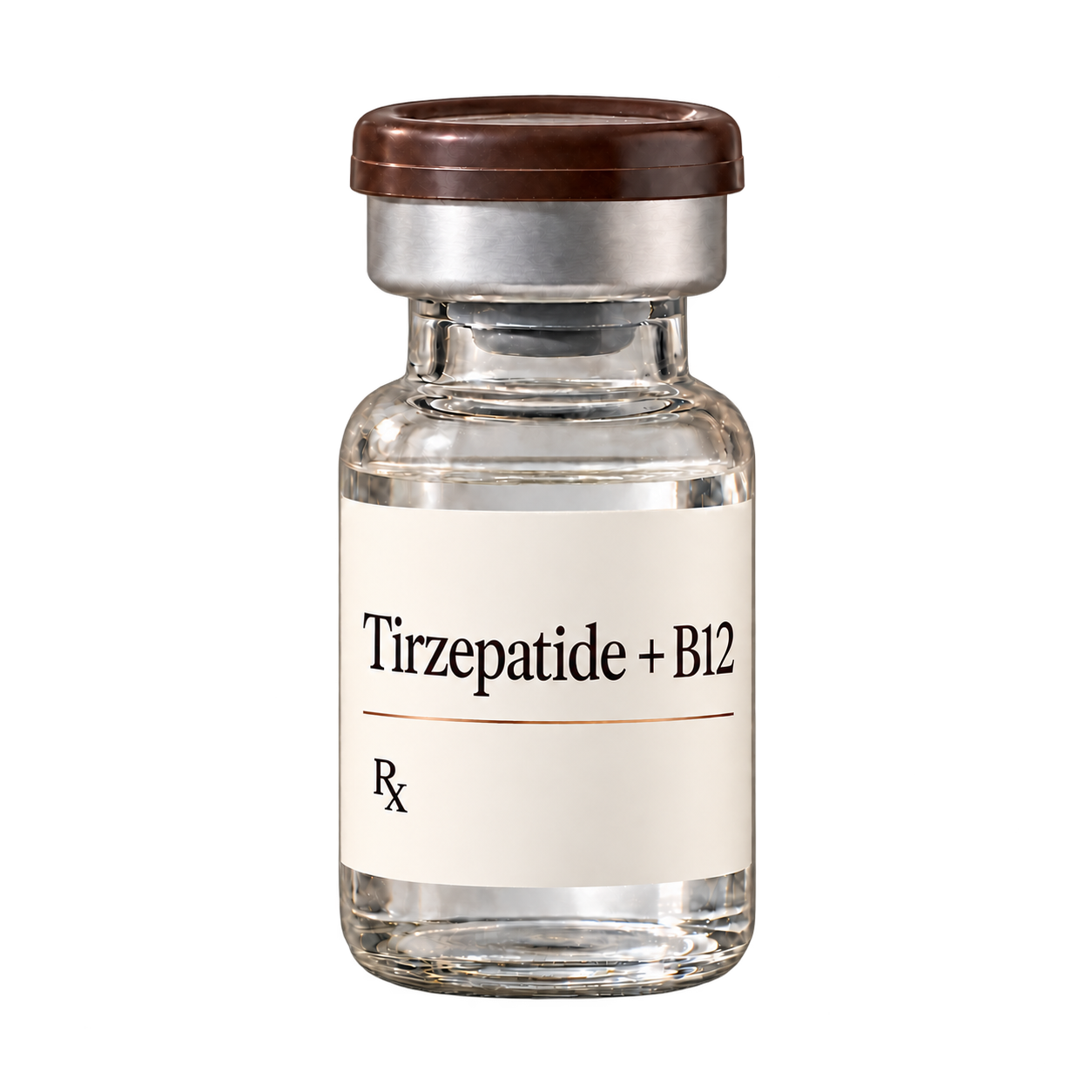
If you searched “tirzepatide before and after,” you probably want a realistic picture of what changes are typical, how long they take, and what can make results look very different from person to person. This guide summarizes what clinical trials and prescribing information show about timelines, average weight change, and common reasons progress stalls. Vitals Vault also explains how clinician guided care and monitoring can help you set safer expectations.
- Tirzepatide before and after results vary, but trials show meaningful average weight loss over months.
- Most people notice appetite and fullness changes before major scale changes.
- Dose titration and side effects can affect how fast results show up.
- Stopping treatment often leads to weight regain in studies.
Before and after: what studies show
Average weight loss is measured in trials
In clinical studies of tirzepatide for chronic weight management, average weight decreased over time, with larger average losses at higher maintenance doses. These are group averages, not a promise for any one person. Your starting weight, medical conditions, and adherence to the plan can shift your outcome.
Results build over months, not days
Trial results are typically reported at set time points over many months, because weight change is gradual and dosing is titrated. Early weeks may show smaller changes while your body adjusts and your clinician increases the dose as appropriate. Comparing week to week photos can be misleading.
Before and after photos can mislead
Lighting, posture, clothing, and water retention can change how your body looks even without true fat loss. A better comparison is a consistent set of measurements over time, such as weight trend, waist circumference, and how clothes fit. Your clinician can help choose the right tracking method.
What changes first and why results vary
| What you may notice | Why it happens | What can make it vary |
|---|---|---|
| Less hunger and fewer cravings | Tirzepatide activates GIP and GLP-1 receptors, which can reduce appetite and increase fullness. | Dose titration, side effects, sleep, stress, and highly palatable foods. |
| Feeling full sooner | GLP-1 activity slows gastric emptying early in treatment, which can increase satiety. | Meal size, meal composition, nausea, and how quickly your dose is increased. |
| Scale changes that come and go | Body water shifts with diet changes, constipation, and glycogen changes. | Salt intake, hydration, bowel habits, menstrual cycle, and exercise changes. |
| Improved blood sugar measures (if you have diabetes) | Tirzepatide improves glucose control in type 2 diabetes studies. | Baseline A1C, other diabetes meds, and adherence to nutrition and activity plans. |
Dose titration affects the timeline
Tirzepatide is titrated, meaning the dose is increased gradually to improve tolerability. During titration, your appetite and weight changes may be smaller than later in treatment. If side effects limit dose increases, progress can look slower even when the medication is working.
Side effects can change eating patterns
Nausea, vomiting, diarrhea, constipation, and abdominal pain are among the most common side effects listed for tirzepatide. For some people, side effects reduce intake temporarily, while others eat less consistently and struggle with protein or hydration. Your clinician can help adjust the plan to reduce symptoms.
Medical conditions and medications matter
Conditions like sleep apnea, depression, hypothyroidism, and insulin resistance can affect appetite, energy, and weight trajectory. Other medications can also influence weight. A clinician review is important so your expectations reflect your full health picture.
Stopping often leads to regain
In a randomized withdrawal study of tirzepatide for weight management, people who stopped tirzepatide regained weight on average, while those who continued tended to maintain more of their loss. This is one reason many plans discuss long term maintenance strategies.
Timeline: what to expect over months
Weeks 1 to 4
Many people notice appetite and fullness changes early, but scale changes can be modest while dosing is being titrated. Side effects are also more likely during dose increases. If you are tracking photos, keep conditions consistent so you do not over interpret small differences.
Months 2 to 4
As titration continues, weight trends may become clearer and more consistent. Plateaus can still happen, especially if nausea or constipation disrupts eating patterns or activity. This is often when structured nutrition and activity habits make the biggest difference.
Months 5 and beyond
Clinical trials report outcomes at longer time points because weight loss tends to accumulate over many months. Maintenance planning becomes more important as you approach a new steady state. Your clinician may discuss ongoing dosing, lifestyle supports, and monitoring based on your response and tolerability.
When to talk to a clinician
Severe stomach pain
Contact a clinician urgently if you develop severe abdominal pain that does not go away, with or without vomiting. GLP-1 based medicines, including tirzepatide, carry warnings about pancreatitis. Your clinician will decide whether evaluation or stopping the medication is needed.
Gallbladder symptoms
Seek medical advice if you have upper right abdominal pain, fever, jaundice, or persistent nausea and vomiting. Tirzepatide labeling includes warnings about acute gallbladder disease. Prompt evaluation matters because gallbladder problems can worsen quickly.
Dehydration or kidney concerns
If vomiting or diarrhea is persistent, you can become dehydrated, which can affect kidney function. The prescribing information warns about acute kidney injury, sometimes in the setting of gastrointestinal side effects. A clinician may recommend labs or other evaluation.
Neck lump or hoarseness
Tirzepatide has a boxed warning about thyroid C-cell tumors based on animal studies and is contraindicated in people with a personal or family history of medullary thyroid carcinoma or MEN 2. Report a neck mass, trouble swallowing, or persistent hoarseness to a clinician.
Low blood sugar risk
If you use insulin or a sulfonylurea, the risk of hypoglycemia can increase when tirzepatide is added. Symptoms can include sweating, shakiness, confusion, or fast heartbeat. Your clinician may adjust other diabetes medications and advise monitoring.
Pro tips for realistic expectations
Track trends, not single weigh ins
Use weekly averages or the same day and time each week.
Use more than photos
Add waist measurements and how clothes fit for context.
Plan for side effects
Tell your clinician early so nausea or constipation does not derail progress.
Ask about maintenance early
Long term plans matter because stopping can lead to regain.
Frequently Asked Questions
What does tirzepatide before and after usually look like?
In studies, average weight decreased over time, but individual results varied widely. Many people notice appetite and fullness changes before major scale changes. The best comparison is a consistent trend over months, not a single photo.
How fast do you see results with tirzepatide?
Some people notice reduced hunger early, but weight change is typically assessed over months in trials because dosing is titrated. Side effects and dose increases can affect the pace. Your clinician can help set a timeline based on your plan.
Why is my progress slower than someone else’s?
Differences in starting weight, medical conditions, other medications, nutrition, activity, and dose titration can all change outcomes. Side effects like nausea or constipation can also disrupt consistency. Comparing to social media transformations is rarely an apples to apples comparison.
Do people regain weight after stopping tirzepatide?
In a randomized withdrawal study, people who stopped tirzepatide regained weight on average, while those who continued tended to maintain more of their loss. This suggests maintenance planning matters. Talk with a clinician before making any changes.
Is compounded tirzepatide the same as Zepbound?
No. Zepbound is a brand product, and compounded tirzepatide is prepared by a licensed pharmacy for an individual prescription and is not FDA-approved. If you are considering either option, discuss risks, benefits, and monitoring with a licensed clinician.