
Semaglutide before and after: what to expect
Semaglutide before and after changes are gradual. Trials show average weight loss over months with lifestyle support, but results and side effects vary.
Key facts
- Semaglutide + B12 is $157/month (billed $157 every 4 weeks), charged only after a clinician approves it.
- Answer a few health questions online. A licensed clinician reviews them. If approved, it ships to your door.
- Adults 18 or older. A licensed clinician reviews your health history and decides whether treatment is appropriate for you. Availability depends on the state you live in.


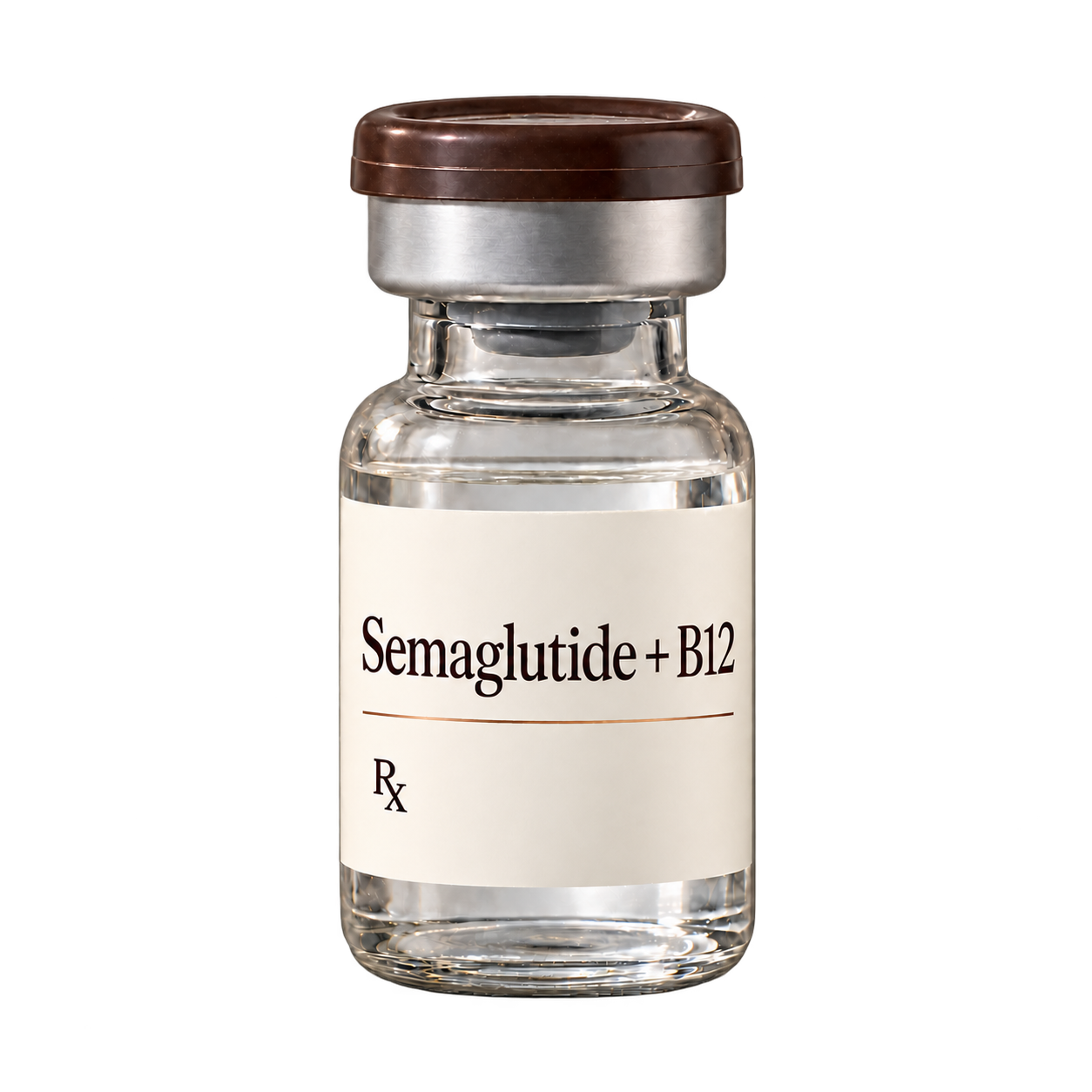
If you are searching for semaglutide before and after, the most reliable expectations come from clinical trials, not social media photos. In studies for chronic weight management, semaglutide was used with lifestyle changes and weight loss built over months. This page summarizes what the research shows about timelines, why results vary, and which symptoms should prompt urgent care. If you are considering treatment, Vitals Vault can connect you with a licensed clinician to review whether compounded semaglutide is appropriate for you.
- Semaglutide before and after changes are usually gradual and vary person to person.
- In STEP 1, outcomes were reported at 68 weeks with semaglutide plus lifestyle changes.
- GI side effects are common and can slow dose increases and progress.
- Serious risks include pancreatitis, gallbladder disease, kidney injury, and a thyroid C-cell tumor boxed warning.
Semaglutide before and after: the short answer
- Pivotal trial time point
- STEP 1 reported primary outcomes at 68 weeks.
- Trial setting
- Semaglutide was paired with lifestyle intervention in major weight management trials.
- Boxed warning on semaglutide products
- FDA labeling includes a boxed warning about thyroid C-cell tumors.
- What “compounded” means
- Compounded medications are prepared by a licensed pharmacy for an individual prescription and are not FDA-approved.
What studies show and why results vary
The “after” is usually gradual
In clinical trials, weight loss with semaglutide built over time rather than happening all at once. Many people notice appetite changes earlier than visible body changes. Photos can mislead because lighting, posture, clothing, and fluid shifts can change how you look day to day.
Dose progression affects the timeline
Semaglutide is typically increased in steps to improve tolerability, and some people need to pause or slow increases due to gastrointestinal side effects. If you cannot tolerate higher doses, your results may differ from trial averages. Your clinician individualizes the plan based on safety and symptoms.
Lifestyle support matters in trials
Major semaglutide weight management trials paired medication with reduced calorie eating plans and increased physical activity. In real life, sleep, stress, alcohol intake, and food environment can change outcomes. Comparing yourself to curated “before and after” images can set unrealistic expectations.
Common side effects can slow progress
Nausea, vomiting, diarrhea, constipation, and abdominal pain are among the most common adverse reactions in semaglutide labeling. Side effects can reduce appetite, but they can also disrupt routines and make it harder to maintain nutrition and activity. Tell your clinician if symptoms are persistent or severe.
Plateaus and regain can happen
Weight loss often slows over time as your body adapts. In the STEP 1 extension, participants regained weight after semaglutide was stopped, which is one reason “after” photos can look different depending on whether someone stayed on treatment. A clinician can help review adherence, side effects, and other drivers like medications.
Compounded is not the same evidence base
Compounded semaglutide is not FDA-approved and does not have the same standardized clinical trial program as branded products. Your expected benefits and risks should be discussed with the prescribing clinician and the dispensing pharmacy. Ask what form of semaglutide is used and what quality controls are in place.
| Factor | How it can affect your results | What to discuss with a clinician |
|---|---|---|
| Side effects and tolerability | May slow titration or reduce adherence, changing the timeline. | Ways to manage symptoms and whether changes are needed. |
| Starting weight and body composition | Percent change can look different at different starting weights. | How to track progress beyond the scale. |
| Diet pattern and activity | Trial lifestyle support may not match real life routines. | A sustainable plan and whether a dietitian helps. |
| Other medications | Some drugs can promote weight gain or fluid retention. | A medication review for modifiable contributors. |
| Stopping treatment | Regain can occur after discontinuation in follow up research. | A maintenance plan and appropriate monitoring. |
When to talk to a clinician urgently
Severe abdominal pain
Severe and persistent abdominal pain, sometimes radiating to the back, can be a sign of pancreatitis. Semaglutide labeling warns about acute pancreatitis and advises discontinuation if pancreatitis is suspected. Seek urgent medical evaluation rather than waiting for symptoms to pass.
Gallbladder symptoms
Upper right abdominal pain, fever, jaundice, or persistent nausea and vomiting can suggest gallbladder disease. Semaglutide labeling includes warnings about acute gallbladder disease. Prompt evaluation matters because complications can become serious.
Dehydration or kidney problems
Ongoing vomiting or diarrhea can lead to dehydration, which can worsen kidney function. Semaglutide labeling warns about acute kidney injury, sometimes requiring dialysis, often in the setting of gastrointestinal fluid loss. Contact a clinician quickly if you cannot keep fluids down.
Possible low blood sugar
If semaglutide is used with insulin or an insulin secretagogue, the risk of hypoglycemia can increase. Symptoms can include shakiness, sweating, confusion, or fainting. Get medical advice promptly, especially if you use diabetes medications.
Neck lump or hoarseness
Semaglutide products carry a boxed warning about thyroid C-cell tumors and are contraindicated in people with a personal or family history of medullary thyroid carcinoma or MEN 2. Report a neck mass, trouble swallowing, or persistent hoarseness to a clinician.
Pro tips for setting expectations
Track more than weight
Use waist, energy, activity, and labs to see progress.
Expect early GI effects
Nausea or constipation can happen early and affect routines.
Plan for plateaus
A slower phase is common and does not always mean failure.
Ask about maintenance
Discuss what happens if you stop and how to monitor.
Bring your medication list
Other drugs can blunt results or increase side effects.
Frequently Asked Questions
What does semaglutide before and after usually look like in studies?
In large trials for chronic weight management, semaglutide paired with lifestyle changes led to average weight loss over many months, with outcomes reported at 68 weeks in STEP 1. Individual results vary based on tolerability, dose progression, and adherence.
How fast do you see changes on semaglutide?
Many people notice appetite changes earlier than visible body changes, but trial results show weight loss builds gradually over time. Your timeline can be slower if side effects limit dose increases or if lifestyle changes are inconsistent.
Why do some people not lose much weight on semaglutide?
Common reasons include not reaching or maintaining a tolerated dose, differences in starting weight and health conditions, and other medications that affect weight. A clinician can review these factors and adjust the plan safely.
Is compounded semaglutide the same as Ozempic or Wegovy?
No. Compounded semaglutide is prepared by a licensed pharmacy for an individual prescription and is not FDA-approved, while Ozempic and Wegovy are FDA-approved branded products with specific labeling and manufacturing standards.
What side effects should I watch for while taking semaglutide?
Gastrointestinal effects like nausea, vomiting, diarrhea, and constipation are common in semaglutide labeling. Seek urgent care for severe abdominal pain (possible pancreatitis), signs of gallbladder disease, or dehydration with reduced urination.