
Tirzepatide maintenance dose after weight loss
Tirzepatide maintenance dosing is individualized after titration. The label supports ongoing weekly dosing at a tolerated dose chosen with your clinician.
Key facts
- Tirzepatide + B12 is $169/month (billed $169 every 4 weeks), charged only after a clinician approves it.
- Answer a few health questions online. A licensed clinician reviews them. If approved, it ships to your door.
- Adults 18 or older. A licensed clinician reviews your health history and decides whether treatment is appropriate for you. Availability depends on the state you live in.


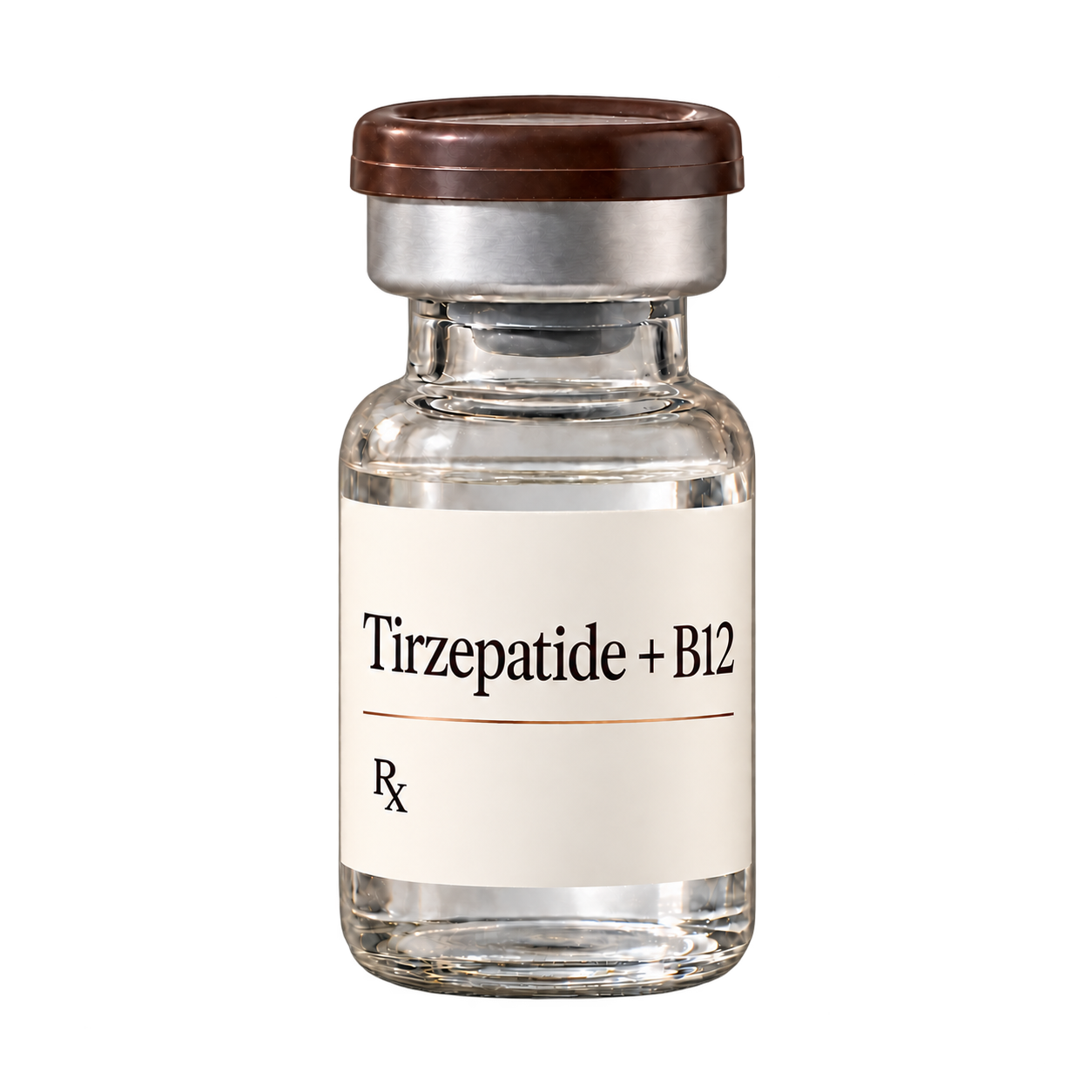
A maintenance dose is the dose you continue after the dose-escalation phase, aiming to keep benefits while limiting side effects. For tirzepatide, FDA labeling describes stepwise titration and then ongoing once-weekly dosing, but it does not define one universal maintenance dose for everyone. This page summarizes what the label supports and what to discuss with your clinician. If you want to ask questions in the context of your own history, PocketMD from Vitals Vault can help you prepare for a visit.
- There is no single tirzepatide maintenance dose after weight loss; your prescriber individualizes a tolerated ongoing dose.
- FDA labeling uses stepwise titration, then continued once-weekly dosing for long-term treatment.
- If weight regain or side effects happen, your clinician reassesses the plan rather than self-adjusting.
- Compounded tirzepatide is not FDA-approved; follow your prescriber and pharmacy instructions.
What is the maintenance dose for tirzepatide?
- Route and frequency (FDA label)
- Subcutaneous injection once weekly.
- Maintenance concept (FDA label)
- After dose escalation, treatment is continued at a selected maintenance dose.
- Missed dose guidance (FDA label)
- Follow the prescribing information instructions for missed doses and timing.
How maintenance dosing is chosen and adjusted
Maintenance is ongoing therapy
For chronic weight management, tirzepatide is intended for ongoing use after titration rather than stopping at a goal. In studies of GLP-1 based therapies, stopping treatment is commonly followed by weight regain. Your clinician can help you weigh long-term benefits and risks.
Titration comes first
FDA labeling uses stepwise dose escalation to improve tolerability, especially gastrointestinal side effects. The dose you continue after escalation is your maintenance dose. If side effects are limiting, your prescriber may slow escalation or keep you at a lower step.
Lowest effective tolerated dose
In practice, clinicians often aim for the lowest dose that maintains appetite and weight control while keeping side effects acceptable. If weight regain happens, your clinician may review adherence, diet, activity, sleep, stress, and other medications before changing the dose.
Compounded product instructions
Because your tirzepatide may be compounded, it is not FDA-approved and it may not match branded labeling exactly. Your prescribing clinician and dispensing pharmacy should provide the specific directions for your prescription, including what to do after missed doses.
Injection sites are label-based
For FDA-approved tirzepatide products, the Instructions for Use describe subcutaneous injection sites. Your prescriber or pharmacist should show you how to use your specific product, and a compounding pharmacy may provide product-specific instructions.
Side effects can drive choices
Nausea, diarrhea, vomiting, constipation, and abdominal pain are common with tirzepatide and can be dose-related. If symptoms persist, your clinician may recommend supportive strategies and may adjust the pace of titration or the maintenance plan.
When to talk to your clinician about maintenance dosing
Weight regain or plateau
If your weight trend is rising again or appetite control is slipping, bring your tracking to your clinician. They can evaluate whether this is expected variability, a lifestyle or medication factor, or a reason to reassess the maintenance plan.
Troublesome GI symptoms
Persistent nausea, vomiting, diarrhea, constipation, or dehydration symptoms can mean the current dose is not well tolerated. Your clinician can advise on supportive care and whether your dosing plan should change.
Possible pancreatitis symptoms
Severe abdominal pain that may radiate to the back, with or without vomiting, needs urgent medical evaluation. Pancreatitis is a labeled warning for tirzepatide products, and a clinician should decide whether treatment should be stopped.
Gallbladder symptoms
Right upper abdominal pain, fever, or yellowing of the skin or eyes can be signs of gallbladder disease. Tirzepatide labeling includes warnings about acute gallbladder disease, so contact a clinician promptly.
Low blood sugar risk
If you use insulin or a sulfonylurea, tirzepatide can increase hypoglycemia risk. Symptoms like shakiness, sweating, confusion, or fainting should be discussed urgently with your prescribing clinician.
Pro tips for a smoother maintenance phase
Define your maintenance target
Ask what measures your clinician will track: weight trend, appetite, or metabolic markers.
Track side effects briefly
A simple weekly note helps connect symptoms to dose changes and meals.
Review other medications
Bring a complete list, since some drugs affect appetite, glucose, or stomach emptying.
Plan for missed doses
Ask what to do if you miss a dose, based on your prescription instructions.
Do not self-adjust
Changing dose or schedule without guidance can worsen side effects and reduce monitoring.
Frequently Asked Questions
What is the tirzepatide maintenance dose after weight loss?
There is not one universal maintenance dose. FDA labeling describes titration in steps and then continuing once weekly at a dose that is effective and tolerated, which your prescriber individualizes based on response and side effects.
Do you stay on tirzepatide after you lose weight?
For chronic weight management, tirzepatide is intended for ongoing use after titration. If you are considering stopping or spacing doses, discuss risks, alternatives, and monitoring with your clinician.
Can you go down to a lower dose for maintenance?
Some people and clinicians consider a lower tolerated dose if side effects are limiting or if goals are maintained. Any change should be made by your prescribing clinician, who can weigh benefits, side effects, and safety monitoring.
What happens if you miss a maintenance dose of tirzepatide?
The prescribing information includes instructions for missed doses and timing relative to the next scheduled dose. Follow your prescription directions and contact your prescriber if you are unsure, especially if you have been off the medication for a while.
Is compounded tirzepatide the same as FDA-approved tirzepatide?
No. Compounded medications are prepared by a licensed pharmacy for an individual prescription and are not FDA-approved. Your prescriber and dispensing pharmacy should provide the specific instructions and counseling for your formulation.