
Not losing weight on Ozempic: what it means
Not losing weight on Ozempic can happen early, at low doses, or with missed doses, diet changes, or other conditions. Here is what to check next.
Key facts
- Semaglutide + B12 is $157/month (billed $157 every 4 weeks), charged only after a clinician approves it.
- Answer a few health questions online. A licensed clinician reviews them. If approved, it ships to your door.
- Adults 18 or older. A licensed clinician reviews your health history and decides whether treatment is appropriate for you. Availability depends on the state you live in.


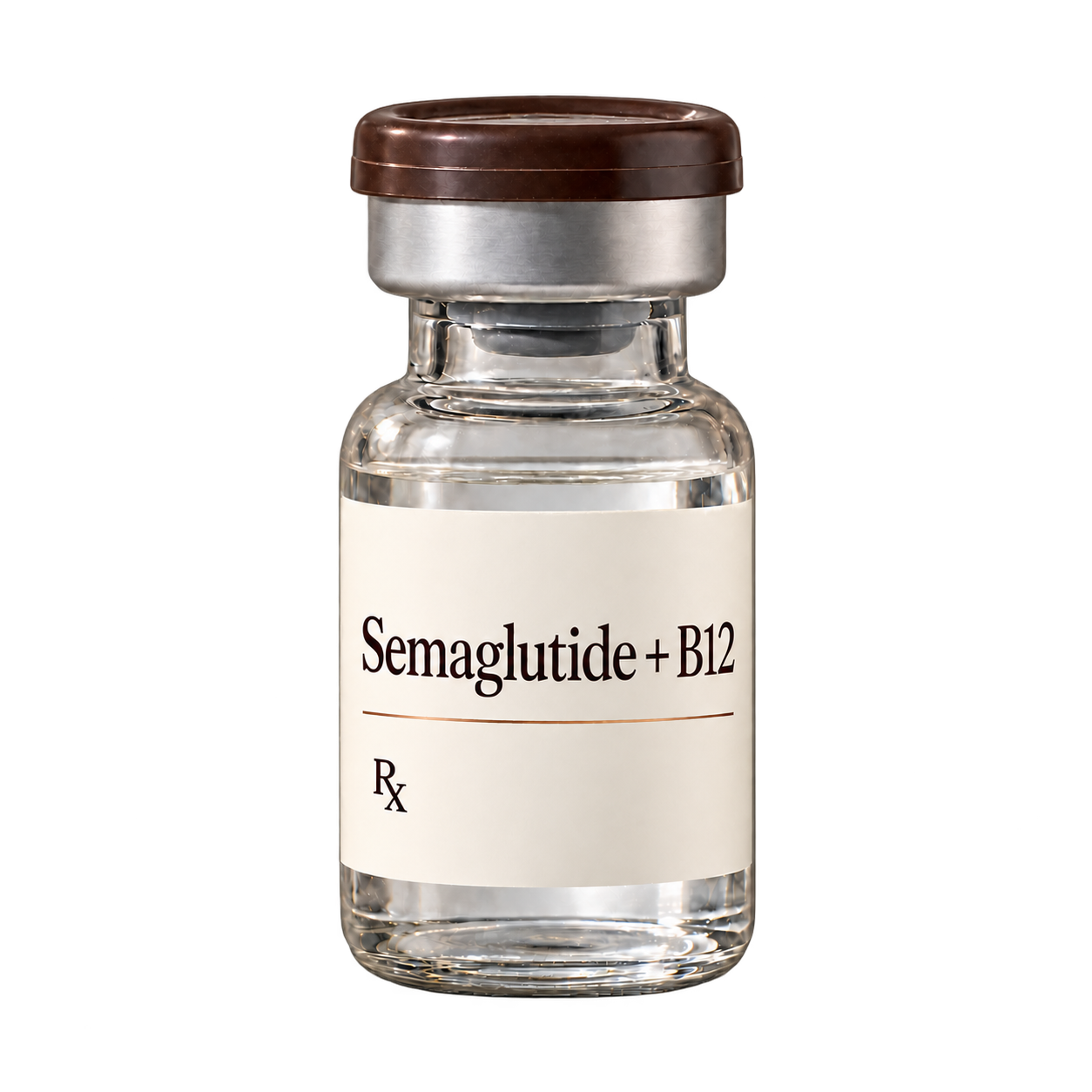
If you are not losing weight on Ozempic, it does not automatically mean the medication is not working. Weight change with semaglutide varies a lot between people, and in studies the largest average losses happened after dose escalation and months of continued treatment. This guide explains practical reasons progress can stall and what to review with your clinician. Vitals Vault can also help you discuss options for compounded semaglutide with clinician guidance and ongoing support, if appropriate.
- Not losing weight on Ozempic can be normal early on, especially before reaching a maintenance dose.
- Missed doses, less appetite control, and higher calorie intake can blunt results even with nausea.
- Medical factors like diabetes control, other medications, sleep, and thyroid issues can affect weight change.
- If you have severe belly pain, vomiting, or dehydration, seek urgent care and contact your prescriber.
Answer: why you might not be losing weight
You are early in treatment
In clinical trials of semaglutide for weight management, participants followed a gradual dose escalation and outcomes were assessed over many months. If you are still titrating, your appetite and weight response may not match later study results yet. Ask your clinician where you are in the titration plan and what a reasonable checkpoint is.
Dose or schedule issues
Semaglutide is designed for once weekly dosing, and the prescribing information includes guidance for missed doses. If doses are missed or taken inconsistently, appetite suppression can fade and weight loss can slow. Do not double doses to catch up; review missed dose guidance with your prescriber.
Calorie compensation
Some people eat less at meals but compensate with calorie dense snacks, sugary drinks, alcohol, or larger portions on days they feel better. Nausea can also lead to choosing more calorie dense comfort foods. Tracking intake for a short period can reveal patterns to discuss with your clinician or dietitian.
Not enough protein or fiber
If you are eating much less overall, you may unintentionally drop protein and fiber, which can worsen hunger between meals and make it harder to maintain a calorie deficit. A clinician or dietitian can help you set a nutrition plan that supports satiety while on a GLP-1 medicine.
Medical and medication factors
Weight change can be affected by sleep apnea, depression, chronic stress, menopause, hypothyroidism, and medications that promote weight gain (for example some antidepressants, steroids, and insulin). If your weight is not changing, ask your clinician to review your full medication list and consider whether additional evaluation is needed.
Common reasons and what to check
| What might be happening | What it can look like | What to review next |
|---|---|---|
| Still titrating or not at a maintenance dose | Appetite is only slightly lower; weight change is minimal | Confirm your titration plan and when your clinician expects a clearer signal |
| Missed doses or inconsistent dosing | Hunger returns before the next dose; more cravings | Review missed dose guidance and barriers to adherence |
| Calorie compensation | Smaller meals but more snacking, liquid calories, or alcohol | Short term food and drink tracking; plan for high risk situations |
| Side effects driving food choices | Nausea leads to grazing or high calorie bland foods | Discuss nausea management options and meal patterns |
| Low activity or reduced movement | Less energy leads to fewer steps and less exercise | A realistic activity plan that fits your symptoms and schedule |
| Medical or medication contributors | Weight is stable despite appetite changes | Medication review and targeted evaluation (for example thyroid, sleep, mood) |
What studies can and cannot tell you
In a large trial of semaglutide 2.4 mg for chronic weight management, average weight loss was assessed over 68 weeks with lifestyle counseling, but individual responses varied widely. That means your trajectory can be slower, faster, or uneven even when you are doing many things right. Your clinician can help interpret your progress in context.
If you have diabetes
Ozempic is FDA approved to improve glycemic control in adults with type 2 diabetes and to reduce the risk of major cardiovascular events in adults with type 2 diabetes and established cardiovascular disease. If your main goal is glucose control, your clinician may prioritize A1C and time in range over the scale. Some diabetes medications can also influence weight.
If you are using compounded semaglutide
Compounded semaglutide is not FDA approved and may differ in concentration, dosing instructions, and supply compared with brand products. If results are not matching expectations, confirm exactly what product you were prescribed and how it is intended to be used. Your prescribing clinician and dispensing pharmacy should provide the instructions for your specific compounded medication.
Side effects that can change eating patterns
Nausea, vomiting, diarrhea, constipation, and abdominal pain are common with semaglutide and can affect what and how you eat. Sometimes people eat less overall but choose more calorie dense foods to settle the stomach, which can blunt weight loss. Tell your clinician about side effects early so they can help you manage them safely.
Serious symptoms to take seriously
The Ozempic prescribing information warns about pancreatitis, gallbladder problems, kidney injury (sometimes related to dehydration from severe gastrointestinal symptoms), and a boxed warning about thyroid C-cell tumors seen in rodents. Seek urgent care for severe or persistent abdominal pain (with or without vomiting), signs of dehydration, or symptoms of an allergic reaction. Contact your prescriber promptly if these occur.
When to talk to a clinician
No change after titration
If your weight has not changed after you have reached a stable, clinician intended dose for long enough to judge response, it is reasonable to reassess. Your clinician may review adherence, nutrition, activity, sleep, and other medications, and consider whether a different approach is safer or more effective for you.
Side effects limit eating or fluids
Ongoing vomiting, inability to keep fluids down, or symptoms of dehydration need prompt medical attention. The Ozempic label notes kidney problems can occur, sometimes in the setting of severe gastrointestinal reactions. Contact your prescriber or seek urgent care based on severity.
Severe abdominal pain
Severe or persistent abdominal pain can be a warning sign for pancreatitis or gallbladder disease, both listed in the prescribing information. Do not ignore this symptom, especially if it is accompanied by vomiting or fever. Get urgent evaluation.
Thyroid or neck symptoms
Semaglutide carries a boxed warning about thyroid C-cell tumors in rodents and is contraindicated in people with a personal or family history of medullary thyroid carcinoma or MEN 2. Report a neck lump, hoarseness, trouble swallowing, or shortness of breath to a clinician promptly.
Possible low blood sugar risk
If you use insulin or a sulfonylurea, semaglutide can increase the risk of hypoglycemia when used together, per the label. If you have shakiness, sweating, confusion, or fainting, follow your diabetes care plan and contact your clinician. Do not change diabetes medicines without guidance.
Pro tips for realistic expectations
Use more than the scale
Track waist, clothing fit, and hunger patterns, not only weekly weight.
Plan for nausea days
Have lower fat, higher protein options ready so you do not rely on calorie dense comfort foods.
Watch liquid calories
Sugary drinks and alcohol can add calories without improving fullness.
Sleep is a weight lever
Poor sleep can increase hunger and cravings, even with GLP-1 therapy.
Bring data to your visit
A 7 day food and symptom log helps your clinician troubleshoot faster.
Frequently Asked Questions
Why am I not losing weight on Ozempic?
It can happen if you are early in treatment, not yet at a dose that meaningfully reduces appetite, missing doses, or compensating with higher calorie intake. Medical conditions, sleep, stress, and other medications can also affect weight change. Review your pattern with your prescriber.
How long does it take to lose weight on semaglutide?
In clinical trials for weight management, semaglutide was titrated over time and average outcomes were assessed over many months, with substantial variation between individuals. If you are still titrating, your early response may be smaller. Your clinician can set a realistic checkpoint for you.
Can Ozempic stop working for weight loss?
Some people see plateaus, which can reflect the body adapting, changes in eating patterns, or inconsistent dosing. It can also mean the current plan is not a good fit for your biology or lifestyle. A clinician can help reassess nutrition, activity, and medication strategy.
Could my other medications be preventing weight loss on Ozempic?
Yes. Some medications can promote weight gain or increase appetite, and diabetes regimens can affect weight in different directions. Bring a complete medication list, including over the counter products, so your clinician can look for contributors and safer alternatives when appropriate.
When should I worry about symptoms while on Ozempic?
Seek urgent care for severe or persistent abdominal pain, repeated vomiting with dehydration, or signs of an allergic reaction. The prescribing information warns about pancreatitis, gallbladder problems, and kidney injury, sometimes related to severe gastrointestinal reactions. Contact your prescriber promptly if these occur.