
Why am i not losing weight on ozempic?
Why am I not losing weight on Ozempic? It can be normal early on or due to dose, adherence, diet, activity, or other conditions. Here is what to check.
Key facts
- Semaglutide + B12 is $157/month (billed $157 every 4 weeks), charged only after a clinician approves it.
- Answer a few health questions online. A licensed clinician reviews them. If approved, it ships to your door.
- Adults 18 or older. A licensed clinician reviews your health history and decides whether treatment is appropriate for you. Availability depends on the state you live in.


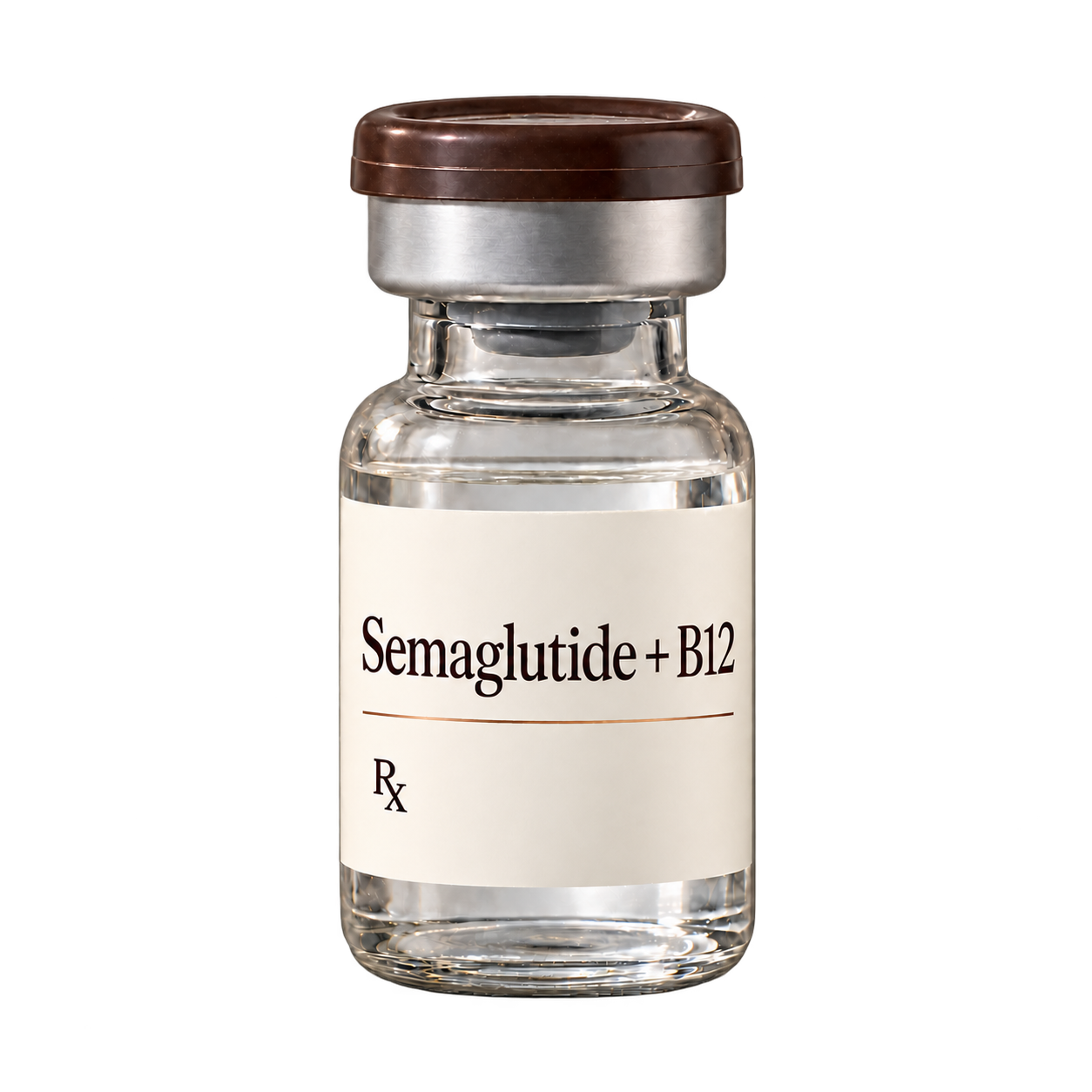
If you are asking, "why am i not losing weight on ozempic," the most common reasons are timing, inconsistent use, side effects, and everyday factors that offset a calorie deficit. Semaglutide can support weight loss in studies, but results vary and the scale can lag behind changes in appetite. This guide walks through practical checkpoints and safety red flags to discuss with a clinician. Vitals Vault also offers clinician guided care for compounded semaglutide, which is not Ozempic and is not FDA-approved.
- Not losing weight on Ozempic can be early timing, dose, adherence, or lifestyle factors.
- Semaglutide helps many people lose weight, but individual response varies.
- Missed doses, side effects, and hidden calories can blunt progress.
- Other medications or conditions can make weight loss harder.
Answer: why it can happen
It can take time
Ozempic (semaglutide) is typically started and increased gradually to improve tolerability. Early on, appetite and weight changes may be smaller while your clinician works toward a dose that is effective and tolerable for you.
Average results are not guarantees
In clinical trials, semaglutide produced meaningful average weight loss, but there was a range of responses. Your starting weight, adherence, side effects, and biology can all influence what you see on the scale.
Lifestyle still matters
Semaglutide can make it easier to eat less, but it does not automatically create a calorie deficit. Liquid calories, alcohol, frequent snacking, and large portions can quietly erase the appetite benefit.
Common reasons and what to review
Inconsistent dosing
Missing doses or stopping and restarting can reduce the steady effect on appetite and blood sugar. If you miss doses, ask your prescriber what to do next rather than guessing. For compounded semaglutide, follow instructions from your prescribing clinician and dispensing pharmacy.
GI side effects change eating
Nausea, vomiting, diarrhea, constipation, and abdominal pain are common with semaglutide. Some people respond by grazing, choosing more calorie dense foods, or stopping doses because they feel unwell, which can slow progress. Tell your clinician if side effects are affecting adherence or nutrition.
Hidden calories
Even if meals are smaller, calorie containing drinks, snacks, and alcohol can add up quickly. A short food and drink log can help you spot patterns to review with a clinician or dietitian.
Low activity or muscle loss
If activity drops because you feel tired or nauseated, your daily calorie burn can fall. Resistance training and adequate protein can help preserve muscle, which matters for long term weight management. Discuss a realistic activity plan with your clinician if symptoms limit exercise.
Other meds or conditions
Some medications and medical conditions can make weight loss harder by increasing appetite, causing fluid retention, or reducing energy. Bring a complete medication list and symptom history to your clinician so they can look for contributors and safer alternatives when appropriate.
Lower responder
Some people lose less weight than expected even with good adherence. If you have been consistent and still see little change, your clinician may reassess goals, nutrition, activity, and whether another approach is a better fit. Do not change your dose on your own.
| What to review | Why it matters | What to bring to a clinician |
|---|---|---|
| Dose timing and consistency | Irregular dosing can blunt appetite effects. | A calendar of doses and any missed weeks. |
| Side effects and food choices | Nausea can shift you toward calorie dense foods. | A list of symptoms and what triggers them. |
| Drinks and alcohol | Liquid calories are easy to underestimate. | Typical weekly alcohol and beverage intake. |
| Activity pattern | Lower movement can offset appetite changes. | Your weekly activity pattern and step counts if tracked. |
| Other meds and conditions | Some treatments and conditions oppose weight loss. | Your medication list and recent labs if available. |
When to talk to a clinician
Severe abdominal pain
Get medical help right away for severe or persistent abdominal pain, especially if it radiates to your back or comes with vomiting. Pancreatitis is a warning for semaglutide, and severe symptoms should not be watched at home.
Dehydration or kidney symptoms
Seek care for ongoing vomiting or diarrhea, dizziness, fainting, or very low urine output. The Ozempic label warns about acute kidney injury, sometimes in the setting of dehydration from gastrointestinal side effects.
Gallbladder symptoms
Contact a clinician promptly for right upper abdominal pain, fever, or yellowing of the skin or eyes. Semaglutide has warnings related to acute gallbladder disease, and symptoms may need evaluation and treatment.
Low blood sugar risk
If you use insulin or a sulfonylurea, ask your clinician about hypoglycemia risk and what symptoms to watch for. Semaglutide can increase the risk of low blood sugar when used with these medicines.
Thyroid or neck symptoms
Semaglutide has a boxed warning about thyroid C-cell tumors based on rodent studies and is contraindicated with a personal or family history of medullary thyroid carcinoma or MEN 2. Call your clinician for a neck lump, hoarseness, trouble swallowing, or shortness of breath.
Pro tips for better tracking
Track trends
Use the same weigh-in routine and watch the trend over weeks.
Measure more than weight
Waist, clothing fit, and photos can show change when water weight fluctuates.
Log briefly
A short food and drink log can reveal hidden calories.
Plan for side effects
Tell your clinician early so nausea or constipation does not derail consistency.
Bring specifics
Bring dose dates, symptoms, and a medication list to your follow-up.
Frequently Asked Questions
Why am i not losing weight on ozempic even though I am eating less?
Early in treatment, you may not yet be at a steady dose that meaningfully changes appetite. Also, drinks, snacks, alcohol, and lower activity can offset eating less at meals. A clinician can help you review patterns and other medical factors.
How long does it take to start losing weight on semaglutide?
Semaglutide is typically increased gradually, and weight change can be smaller early on. In studies, weight loss occurred over months, with wide variation between people. Your prescriber can explain what is typical for your stage and goals.
Can other medications make Ozempic weight loss slower?
Yes. Some medications can increase appetite, cause fluid retention, or change glucose control, which can make weight loss harder even with semaglutide. Bring a complete medication list, including over-the-counter products, to your clinician.
What side effects could make weight loss harder on Ozempic?
Nausea, constipation, diarrhea, and abdominal pain are common and can change food choices and adherence. Some people eat more calorie dense foods to settle nausea or stop doses because they feel unwell. Tell your clinician if side effects are affecting nutrition or consistency.
When should I talk to a clinician about no results on Ozempic?
If you have been consistent and still see little change after reviewing nutrition, activity, and adherence, schedule a check-in. Seek urgent care for severe abdominal pain, ongoing vomiting or diarrhea, or symptoms of dehydration. Your clinician can reassess the plan and screen for contributors.