
Why am i not losing weight on semaglutide?
Why am I not losing weight on semaglutide? Dose, time, side effects, and habits may be factors. Here is what studies and labels suggest.
Key facts
- Semaglutide + B12 is $157/month (billed $157 every 4 weeks), charged only after a clinician approves it.
- Answer a few health questions online. A licensed clinician reviews them. If approved, it ships to your door.
- Adults 18 or older. A licensed clinician reviews your health history and decides whether treatment is appropriate for you. Availability depends on the state you live in.


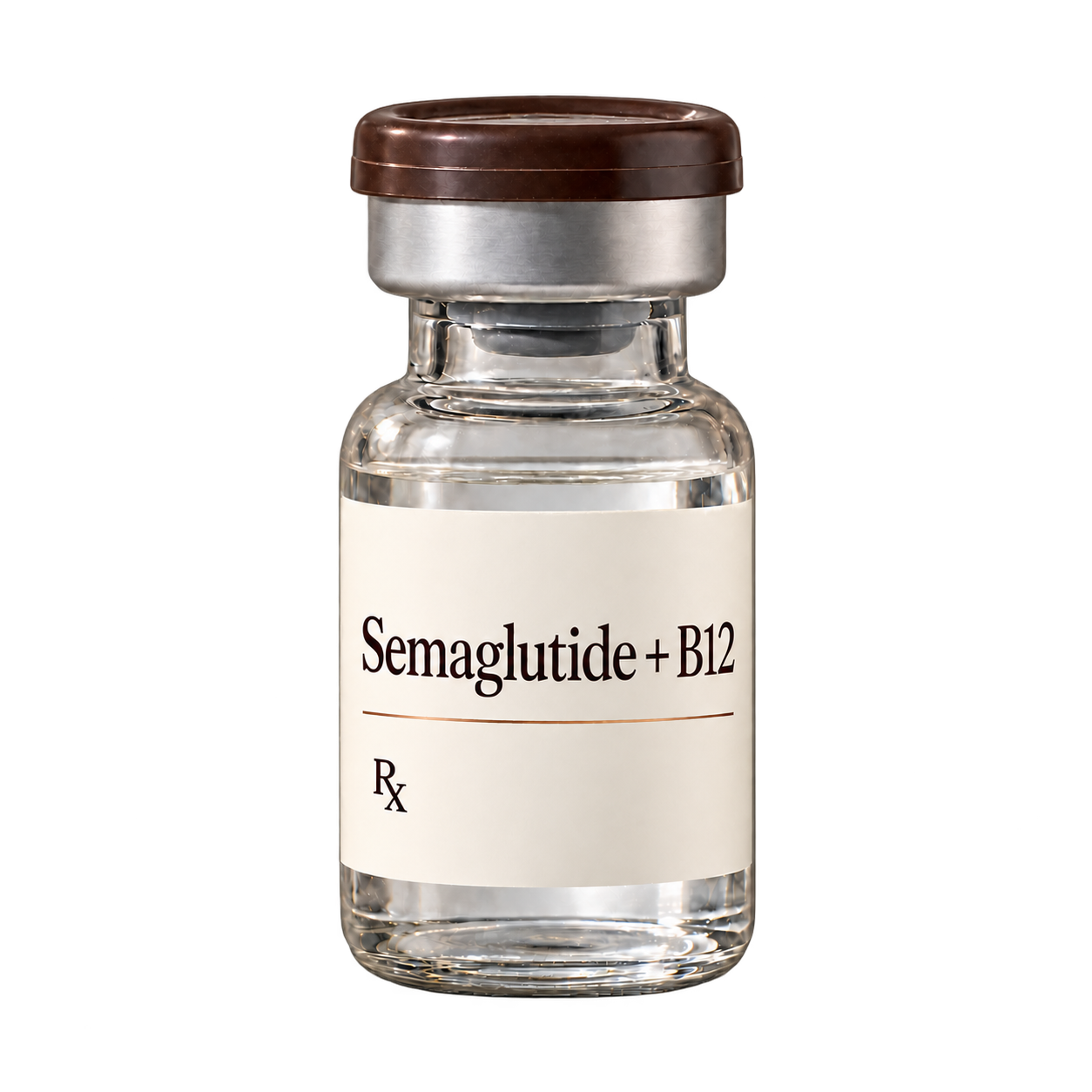
If you are asking “why am i not losing weight on semaglutide,” the most common reasons are that you have not been on it long enough, you are not at an effective dose yet, or side effects and habits are getting in the way. This guide explains what clinical trials and FDA labeling show about typical timelines, why results vary, and what to discuss with your clinician. If you are using semaglutide through Vitals Vault, your plan includes clinician guidance and ongoing support as you track progress safely.
- If you are not losing weight on semaglutide, it is often timing, dose, or adherence, not failure.
- In studies, weight loss is gradual and increases over months, not days.
- Side effects, missed doses, and higher calorie intake can blunt results.
- Some medical conditions and medications can make weight loss harder.
- Talk to a clinician if you have severe belly pain, dehydration, or symptoms of low blood sugar.
Why you might not be losing weight yet
Common reasons results vary on semaglutide
You are still early
Semaglutide is typically increased gradually to improve tolerability, so early weeks may not reflect the full effect. In clinical trials for weight management, participants followed a dose escalation schedule before reaching the maintenance dose. If you are early on, your clinician may focus on tolerability and consistency first.
Dose is not optimized
For FDA approved semaglutide for chronic weight management (Wegovy), the label describes a stepwise increase to a maintenance dose, and people who cannot tolerate the maintenance dose may remain on a lower dose. If you are using compounded semaglutide, dosing can vary by prescription and pharmacy, so your clinician is the right person to interpret whether the dose and schedule match your goals and safety needs.
Missed doses or gaps
Semaglutide works best when taken consistently. The FDA labeling includes specific guidance for missed doses and for restarting after missed doses, because gaps can reduce effect and increase side effects when restarting. If you have had interruptions, discuss the safest way to resume with your prescriber rather than trying to catch up.
Calories can creep back in
Semaglutide reduces appetite and can slow stomach emptying, but it does not block calorie absorption. Liquid calories, frequent snacking, alcohol, and highly palatable foods can add up even when portions feel smaller. A clinician or dietitian can help you spot patterns without extreme restriction.
Side effects limit intake quality
Nausea, vomiting, diarrhea, constipation, and abdominal pain are common with semaglutide and can change what you tolerate eating. Some people respond by choosing more refined carbohydrates or skipping protein, which can affect satiety and muscle mass. If side effects are persistent, your clinician may adjust the plan or add supportive strategies.
Medical or medication factors
Conditions like hypothyroidism, untreated sleep apnea, depression, and chronic stress can make weight loss harder. Some medications can promote weight gain, while others (like insulin or sulfonylureas) can require careful coordination because semaglutide can increase the risk of low blood sugar when used with them. A clinician can review your full list and decide what is modifiable.
| Question | What evidence supports | What it means for you |
|---|---|---|
| Does weight loss take time? | In STEP 1 (semaglutide 2.4 mg in adults without diabetes), weight change was assessed over 68 weeks. | Progress is usually measured over months, not days. Early plateaus can happen. |
| Do some people lose less? | Across trials, individual responses varied, and not everyone achieved the same degree of weight loss. | A slower response does not automatically mean it will not work, but it is worth troubleshooting. |
| Can other meds affect results? | Wegovy labeling warns that hypoglycemia risk increases when used with insulin or sulfonylureas. | If you have diabetes or take glucose lowering meds, coordination matters for safety and progress. |
When to talk to a clinician sooner
Severe belly pain
Seek urgent evaluation for severe abdominal pain that does not go away, especially if it radiates to the back or comes with vomiting. GLP-1 medicines including semaglutide carry warnings about pancreatitis and gallbladder disease. Do not try to manage severe symptoms at home.
Dehydration or kidney concerns
Persistent vomiting or diarrhea can lead to dehydration. The Wegovy label warns about acute kidney injury, sometimes in the setting of dehydration from gastrointestinal side effects. Contact your clinician promptly if you cannot keep fluids down or you feel faint.
Symptoms of low blood sugar
If you have diabetes and take insulin or a sulfonylurea, semaglutide can increase the risk of hypoglycemia. Symptoms can include shakiness, sweating, confusion, or fast heartbeat. Your diabetes regimen may need clinician supervised adjustment.
Neck lump or hoarseness
Semaglutide products for weight management have a boxed warning about thyroid C-cell tumors seen in rodents, and they are contraindicated in people with a personal or family history of medullary thyroid carcinoma or MEN 2. Report a neck mass, trouble swallowing, or persistent hoarseness to a clinician.
Practical ways to troubleshoot with your clinician
Track the basics
Bring weekly weights, waist measurements, and a simple food pattern summary to your visit.
Review your dose history
Note start date, missed doses, and side effects so your clinician can interpret progress.
Prioritize protein and fiber
These can support fullness when appetite suppression varies between doses.
Sleep and alcohol check
Poor sleep and alcohol can increase hunger and make calorie intake harder to notice.
Ask about meds that hinder loss
Request a medication review for agents linked with weight gain when alternatives exist.
Frequently Asked Questions
Why am i not losing weight on semaglutide even with less appetite?
Appetite reduction helps many people eat less, but liquid calories, snacking, alcohol, and lower activity can still offset the calorie gap. Early in treatment, you may also not be at an effective dose yet. A clinician can help identify the most likely bottleneck.
How long does it take to start losing weight on semaglutide?
In clinical trials for weight management, weight change was tracked over many months, with outcomes reported at 68 weeks. Many people notice appetite changes earlier than visible scale changes. Your clinician can set expectations based on your dose schedule and tolerability.
Can missed doses make semaglutide stop working?
Missed doses can reduce the medication’s effect and can make side effects more likely when restarting. FDA labeling provides specific missed dose guidance for semaglutide products. If you have had gaps, ask your prescriber how to resume safely.
Could semaglutide side effects be affecting my results?
Yes. Nausea, vomiting, diarrhea, constipation, and abdominal pain are common and can change food choices and hydration, which can affect weight trends. If side effects are persistent or severe, contact a clinician to review options.
When should I stop troubleshooting and see a clinician urgently?
Get urgent care for severe abdominal pain, repeated vomiting with dehydration, or symptoms of low blood sugar if you use insulin or a sulfonylurea. Semaglutide labeling includes warnings for pancreatitis, gallbladder disease, and kidney injury in the setting of dehydration. Do not wait if symptoms are intense or worsening.