
Why am i not losing weight on zepbound?
Why am I not losing weight on Zepbound? It can be early, dose related, or limited by diet, activity, or health factors. Here is what to review.
Key facts
- Tirzepatide + B12 is $169/month (billed $169 every 4 weeks), charged only after a clinician approves it.
- Answer a few health questions online. A licensed clinician reviews them. If approved, it ships to your door.
- Adults 18 or older. A licensed clinician reviews your health history and decides whether treatment is appropriate for you. Availability depends on the state you live in.


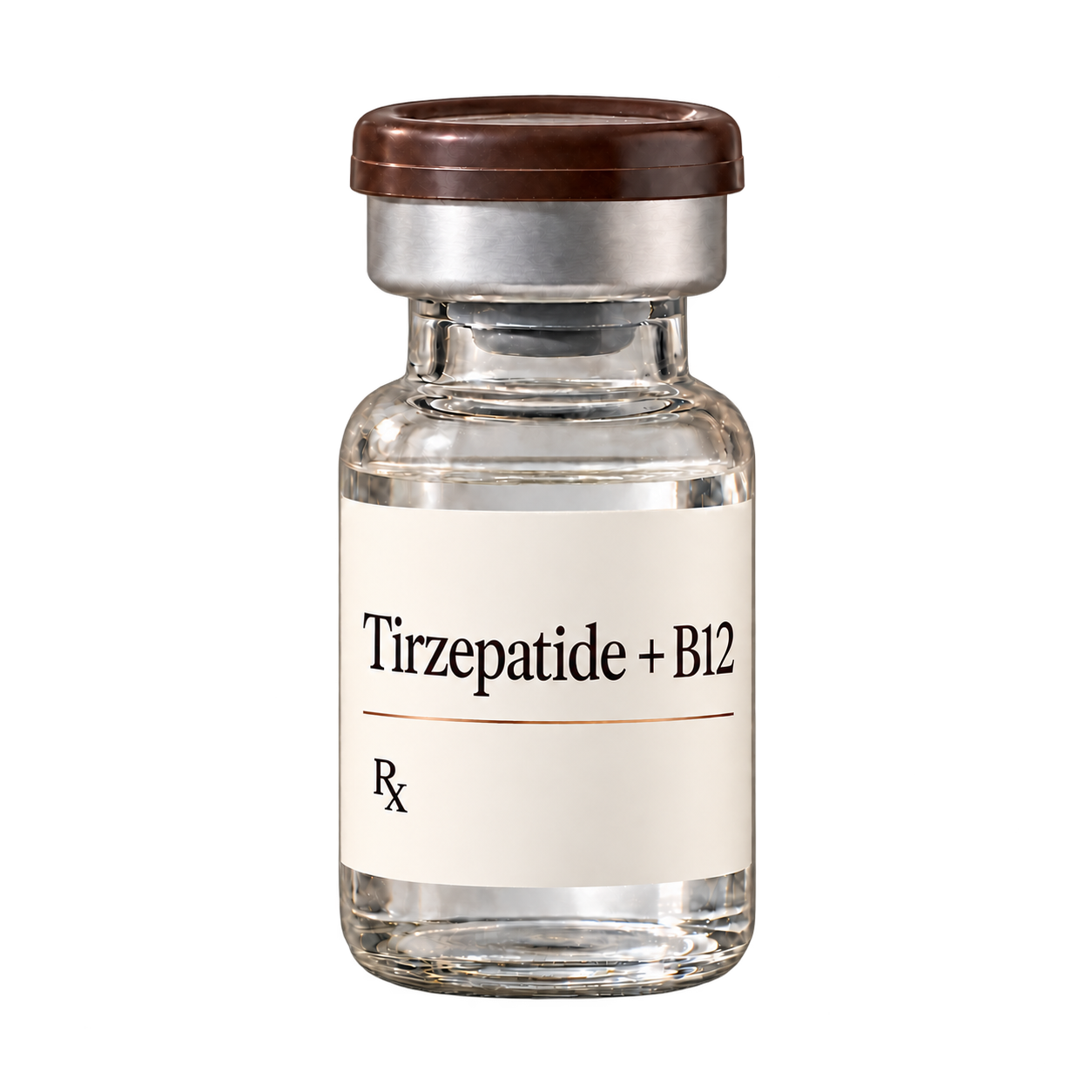
If you searched "why am i not losing weight on zepbound," you want a direct explanation. Even with tirzepatide, weight change can be slower than expected, uneven week to week, or hard to see early on, especially during dose escalation. This guide reviews what studies show about timeline, why results vary, and what to check with your prescriber. If you are using compounded tirzepatide through Vitals Vault, the same troubleshooting questions still apply.
- Not losing weight on Zepbound can be early, dose related, or limited by diet, activity, or health factors.
- In SURMOUNT-1, tirzepatide weight loss increased over time through 72 weeks.
- Missed doses, liquid calories, alcohol, and less activity can blunt progress.
- Other medicines and conditions can slow loss or cause fluid retention.
Why you may not be losing weight
- What Zepbound is
- Zepbound is a brand of tirzepatide injection approved for chronic weight management with diet and physical activity.
- What trials show
- In SURMOUNT-1, participants receiving tirzepatide had progressive mean weight reduction over 72 weeks, with larger average loss at higher doses.
- Why early changes can mislead
- Body weight reflects fat, water, glycogen, and bowel contents, so short-term plateaus can occur.
Common reasons results vary (and what to review)
It is still early
Tirzepatide is typically started at a low dose and increased gradually to reduce side effects, and weight loss often builds over time. In clinical trials, average weight loss continued to increase across many months. If you are only a few weeks in, your trajectory may not match later trial averages yet.
Dose not yet effective
People respond differently at the same dose. In SURMOUNT-1, higher tirzepatide doses were associated with greater average weight loss over 72 weeks, but not everyone needs or tolerates the same dose. If your appetite and cravings are not changing, that is useful information to share with your clinician.
Calories can creep back in
Even with reduced hunger, calorie intake can stay high from liquid calories, frequent snacking, restaurant portions, or alcohol. Tirzepatide can help you eat less, but it does not block calorie absorption. A short food and drink log can reveal patterns you did not notice.
GI effects change intake
Nausea, constipation, and reflux can change what and when you eat, and sometimes lead to cycles of under-eating then compensating later. The Zepbound label lists gastrointestinal side effects as common. If side effects are persistent, your clinician can help you troubleshoot safely.
Activity dropped too
Some people move less when they eat less, especially if nausea or fatigue limits activity. Zepbound is indicated with increased physical activity, because movement supports energy balance and helps preserve muscle. If exercise feels harder, bring that up so your plan can be adjusted.
Other meds or conditions
Hypothyroidism, sleep apnea, depression, and some medications can contribute to weight gain or make weight loss harder. Fluid retention from certain drugs or hormonal changes can also mask fat loss on the scale. Reviewing your full medication list and symptoms can uncover fixable barriers.
| What to track | Why it matters | What to bring to your clinician |
|---|---|---|
| Weekly weight trend | Day-to-day swings are common from water and bowel changes | Weights from the same scale and time of day |
| Appetite and cravings | Medication effect is often felt as less hunger and fewer urges | Notes on hunger, fullness, and snacking |
| Missed or delayed doses | Inconsistent dosing can reduce steady effect | Dates you took each dose and any gaps |
| GI symptoms | Nausea or constipation can affect intake and adherence | When symptoms happen and what triggers them |
| Alcohol and liquid calories | Liquids can add calories without much fullness | Typical drinks per week and sweetened beverages |
When to talk to a clinician (and what to ask)
No change after escalation
If you have had dose increases as prescribed and still have minimal appetite change or weight change, check in. Your clinician can review adherence, side effects, and whether another approach is safer or more effective for you. Bring your weight trend and a brief food and activity snapshot.
Severe stomach symptoms
Persistent vomiting, inability to keep fluids down, or signs of dehydration need prompt medical advice. The Zepbound label includes warnings for pancreatitis and gallbladder disease, which can present with severe abdominal pain. Seek urgent care for severe abdominal pain, especially if it does not go away.
Low blood sugar risk
If you use insulin or a sulfonylurea, tirzepatide can increase the risk of hypoglycemia. Symptoms can include shakiness, sweating, confusion, or fainting. Contact your clinician promptly if you have episodes, because other diabetes medicines may need adjustment.
Thyroid warning concerns
Tirzepatide has a boxed warning about risk of thyroid C-cell tumors based on animal studies, and it is contraindicated with a personal or family history of medullary thyroid carcinoma or MEN 2. Talk to a clinician if you notice a neck mass, hoarseness, or trouble swallowing.
Pro tips to get clearer answers
Use a weekly trend
Weigh consistently and focus on the trend, not one day.
Log one honest week
A short food and drink log can reveal hidden calories.
Track waist too
Measurements can change even when the scale stalls.
Note GI patterns
Constipation and reflux can affect intake and scale weight.
Bring your med list
Some medicines affect appetite, weight, or fluid retention.
Frequently Asked Questions
Why am i not losing weight on zepbound even though I am eating less?
Early in treatment, weight can fluctuate from water, constipation, and normal day-to-day variation. Some people also compensate without noticing through liquid calories, alcohol, or reduced activity. If the trend is flat over time, review your pattern and medications with a clinician.
How long does it take to start losing weight on tirzepatide?
In SURMOUNT-1, weight loss with tirzepatide increased over many months and continued through 72 weeks. Individual timing varies, especially during dose escalation. Your clinician can help interpret your progress based on your start date and tolerability.
Can other medications stop Zepbound from working?
Some medications can promote weight gain, increase appetite, or cause fluid retention, which can mask fat loss on the scale. Tirzepatide can also increase hypoglycemia risk when used with insulin or sulfonylureas. Bring your full medication list to your next visit.
Is a weight plateau normal on Zepbound or tirzepatide?
Plateaus can happen because energy needs change as you lose weight and because water weight varies. In trials, average weight loss continued to progress over time, but individuals still had periods of slower change. A clinician can help decide whether your plateau is expected or needs evaluation.
If I use compounded tirzepatide instead of Zepbound, could that affect results?
Compounded tirzepatide is not FDA-approved, and the dispensing pharmacy provides the product and instructions based on your prescription. If results are not matching expectations, ask your clinician to review adherence, side effects, and whether your plan is appropriate. Vitals Vault may support that review through clinician-guided care.