
Not losing weight on Wegovy: why it happens
Not losing weight on Wegovy can happen early, with missed doses, or if lifestyle and other conditions counteract appetite changes. Here is what to check.
Key facts
- Semaglutide + B12 is $157/month (billed $157 every 4 weeks), charged only after a clinician approves it.
- Answer a few health questions online. A licensed clinician reviews them. If approved, it ships to your door.
- Adults 18 or older. A licensed clinician reviews your health history and decides whether treatment is appropriate for you. Availability depends on the state you live in.


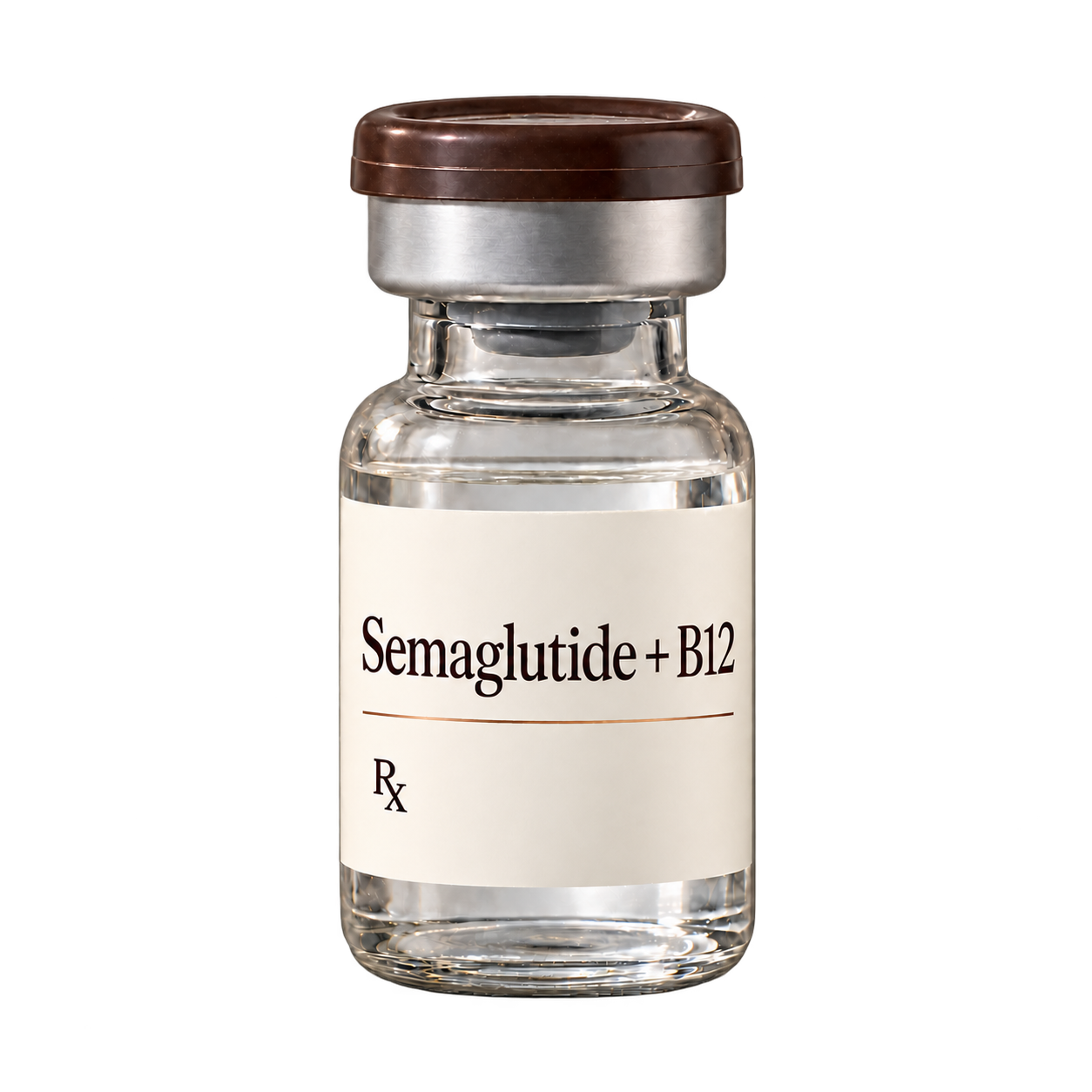
If you are not losing weight on Wegovy (semaglutide), it does not always mean the medication has failed. Weight change can be slower early on, vary widely between people, and be affected by dose escalation, missed doses, diet, activity, sleep, and other medical conditions. This guide walks through the most common reasons Wegovy may seem not to work and what to discuss with a clinician. If you are exploring compounded semaglutide options, Vitals Vault can connect you with clinician-guided care where available.
- Not losing weight on Wegovy can happen early, at lower doses, or if calories still exceed needs.
- In trials, Wegovy worked best alongside reduced-calorie diet and increased physical activity.
- Plateaus can reflect normal body adaptation, missed doses, or medication interactions that affect appetite or fluid balance.
- Gaining weight on Wegovy can be from fluid retention, higher intake, or stopping and restarting after side effects.
- If you have severe belly pain, dehydration, or allergic symptoms, seek urgent medical care.
Why you might not be losing weight
It is early in treatment
Wegovy is started at a low dose and increased over time to improve tolerability. If you are still in the escalation phase, appetite and weight effects may be less noticeable. A clinician can confirm whether your current dose and schedule match the prescribing information.
Calories can still add up
Semaglutide can reduce appetite and slow stomach emptying, but it does not block calorie absorption. Liquid calories, frequent snacks, alcohol, and larger portions can offset appetite changes. Tracking intake for a short period can reveal patterns to review with a clinician or dietitian.
Your body adapts over time
Weight loss often slows after an initial drop because your body needs fewer calories at a lower weight and hunger signals can change. A plateau can be normal even when the medication is still helping. Your clinician may review nutrition, activity, sleep, and other medications before making changes.
Common reasons Wegovy may seem not to work
Missed doses or interruptions
Missing weekly doses, delaying refills, or stopping due to side effects can reduce the medication’s effect on appetite and weight. The prescribing information includes guidance for missed doses and restarting, which should be followed with clinician direction. If nausea or vomiting is the barrier, ask about strategies to improve tolerability.
Not at maintenance dose yet
Wegovy’s label uses a gradual dose escalation to reach a maintenance dose. Some people do not see meaningful changes until later in the titration schedule. If you are using compounded semaglutide, your clinician and dispensing pharmacy should provide your specific dosing plan and monitoring.
Diet and activity changes matter
In the pivotal STEP trials, semaglutide for chronic weight management was paired with lifestyle intervention, including reduced-calorie diet and increased physical activity. If lifestyle support is minimal, results may be smaller. A clinician can help set realistic targets and identify barriers like pain, fatigue, or food insecurity.
Sleep, stress, and alcohol
Short sleep and chronic stress can increase hunger and cravings, and alcohol adds calories while lowering inhibition around food. These factors can make it feel like Wegovy is not working even when appetite is somewhat reduced. Consider discussing sleep apnea risk, stress management, and alcohol use with your clinician.
Other medications can counteract
Some medications are associated with weight gain or fluid retention, which can blunt progress on the scale. Examples can include certain antidepressants, antipsychotics, steroids, insulin or sulfonylureas, and some blood pressure medicines. Do not stop any medication on your own; ask your clinician to review your full list.
Medical conditions affecting weight
Hypothyroidism, Cushing syndrome, untreated sleep apnea, depression, and polycystic ovary syndrome (PCOS) can contribute to weight gain or make loss harder. Wegovy is not a diagnostic tool for these conditions. If weight is not changing as expected, ask whether screening labs or referrals make sense for you.
| What can happen | What it can look like | What to discuss with a clinician |
|---|---|---|
| Fluid shifts (salt, hormones, inflammation) | Short-term weight gain or no change | Blood pressure meds, menstrual cycle patterns, sodium intake, swelling |
| Constipation from slowed gut motility | Higher scale weight despite lower intake | Hydration, fiber, activity, and safe constipation options |
| Muscle gain with strength training | Stable weight but smaller measurements | Using waist measurements and how clothes fit, not scale alone |
When to talk to a clinician
No progress after escalation
If you have reached your prescribed maintenance plan and still see little or no change, ask for a structured review. A clinician can assess adherence, side effects, nutrition, activity, sleep, and other conditions, and discuss whether a different obesity medication approach is appropriate.
Severe stomach symptoms
Seek urgent medical care for severe abdominal pain that does not go away, especially if it radiates to the back or occurs with vomiting. The Wegovy label warns about pancreatitis and gallbladder disease. Dehydration from vomiting or diarrhea can also be serious.
Allergic reaction symptoms
Get emergency help for swelling of the face, lips, tongue, or throat, trouble breathing, or severe rash. Serious hypersensitivity reactions are listed in semaglutide prescribing information. Tell your clinician about any prior reactions to GLP-1 medicines.
Low blood sugar risk
If you use insulin or a sulfonylurea, ask about hypoglycemia risk and monitoring. GLP-1 medicines can increase low blood sugar risk when combined with certain diabetes medications. Symptoms can include shakiness, sweating, confusion, or fainting.
Practical tips that often help
Track one week
Log food, drinks, and alcohol for 7 days to spot hidden calories.
Prioritize protein and fiber
They can improve fullness when appetite changes are subtle.
Plan for nausea days
Smaller meals and bland foods can help you stay consistent.
Use more than the scale
Track waist, clothing fit, and energy, not weight alone.
Bring your med list
Ask whether any prescriptions may be pushing weight up.
Frequently Asked Questions
Why am I not losing weight on Wegovy?
Not losing weight on Wegovy can happen early in treatment, during dose escalation, or if calorie intake still exceeds your needs. In clinical studies, semaglutide was used with reduced-calorie diet and increased physical activity, and individual results varied. A clinician can review adherence, side effects, and other conditions.
Wegovy not working: should I stop?
Do not stop or change semaglutide on your own. If Wegovy seems not to be working, a clinician can check whether you are at the intended dose and schedule, review missed doses, and look for other factors like medications or sleep issues. The prescribing information includes guidance for missed doses and restarting.
Why am I gaining weight on Wegovy?
Gaining weight on Wegovy can be from short-term fluid shifts, constipation, higher calorie intake, or interruptions in dosing. Persistent gain is a reason to review your dosing schedule, diet, alcohol, and other medications with a clinician. Seek urgent care for severe abdominal pain or dehydration symptoms.
How long does it take to see weight loss on Wegovy?
Wegovy is started at a low dose and increased gradually, so noticeable changes may take time. Clinical trials evaluated outcomes over months while participants also followed lifestyle changes. Your clinician can set expectations based on where you are in the titration schedule and your health history.
Does compounded semaglutide work the same as Wegovy?
Wegovy is an FDA-approved brand product with specific manufacturing and labeling. Compounded semaglutide is prepared by a licensed pharmacy for an individual prescription and is not FDA-approved, so it is not considered a generic of Wegovy. If you are considering compounded medication, discuss sourcing, dosing plan, and monitoring with a licensed clinician.