
Highest dose of Zepbound: what it is
The highest dose of Zepbound is 15 mg once weekly. Doses are increased gradually if tolerated, and your clinician decides what is right for you.
Key facts
- Tirzepatide + B12 is $169/month (billed $169 every 4 weeks), charged only after a clinician approves it.
- Answer a few health questions online. A licensed clinician reviews them. If approved, it ships to your door.
- Adults 18 or older. A licensed clinician reviews your health history and decides whether treatment is appropriate for you. Availability depends on the state you live in.





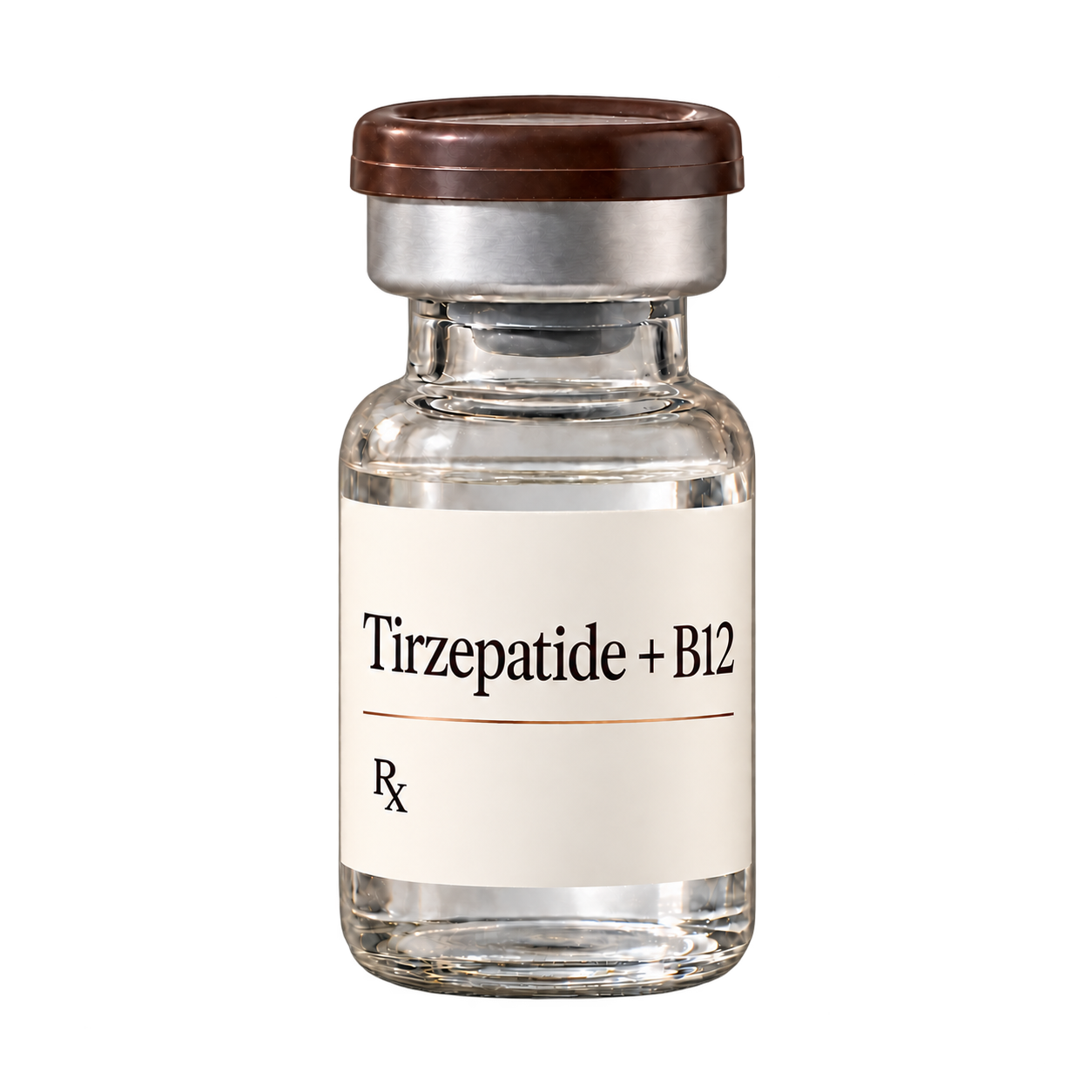
If you are searching for the highest dose of Zepbound, the FDA label lists a maximum maintenance dose of 15 mg injected once weekly. Zepbound (tirzepatide) is started at a low dose and increased gradually based on tolerability and clinical goals. This page summarizes labeled dosing for education only and explains what “highest dose” means in practice. If you are using compounded tirzepatide through Vitals Vault, your clinician and dispensing pharmacy set the dose and provide product specific instructions.
- The highest dose of Zepbound is 15 mg once weekly.
- Zepbound dosing is titrated up in steps to reduce side effects.
- Not everyone needs or tolerates the highest dose.
- Dose changes should be made by your prescribing clinician.
What is the highest dose of Zepbound?
Highest dose is not the starting dose
Zepbound is started at a lower dose and increased over time. This stepwise approach is intended to improve tolerability, especially gastrointestinal side effects.
“Highest” does not mean “best”
Some people do well at lower maintenance doses, while others may need higher doses to meet treatment goals. Your clinician weighs benefits, side effects, and other health factors when deciding whether to increase.
Compounded tirzepatide is different
Zepbound is a brand product. Vitals Vault offers Tirzepatide (compounded, injectable) as a compounded medication, not Zepbound. Compounded medications are not FDA-approved, and dosing and instructions come from the prescriber and dispensing pharmacy.
Dose details: maximum, titration, and what it means
| Topic | What the FDA label says | What it means for you |
|---|---|---|
| Maximum maintenance dose | 15 mg once weekly | This is the highest labeled dose. Your clinician may stop at a lower dose if it is effective or side effects limit increases. |
| Dose escalation (titration) | Dose is increased in 2.5 mg steps after starting at 2.5 mg once weekly; each step is maintained for at least 4 weeks | Titration is designed to reduce side effects. If you have significant side effects, your clinician may delay increases or keep you at a lower maintenance dose. |
| Maintenance dose options | 5 mg, 10 mg, or 15 mg once weekly | Maintenance is the ongoing dose after titration. The “right” maintenance dose is individualized. |
| Missed dose (label guidance) | If a dose is missed, take it within 4 days (96 hours); otherwise skip and resume on the regular day | If you miss a dose, follow the label and contact your prescriber if you are unsure, especially if you miss more than one dose. |
| Changing injection day (label guidance) | The weekly day can be changed if the time between doses is at least 3 days (72 hours) | If you need to change your schedule, confirm timing with your prescriber to avoid doses being too close together. |
Why the dose is increased slowly
Tirzepatide commonly causes nausea, vomiting, diarrhea, constipation, and abdominal pain, especially during dose increases. Gradual titration helps many people tolerate treatment better, and your clinician can pause or adjust escalation if side effects are limiting.
When “highest dose” is considered
Clinicians may consider increasing toward 15 mg once weekly when additional effect is needed and side effects are manageable. The decision also depends on your other conditions and medications, including diabetes medicines that can raise the risk of low blood sugar when combined.
Injection sites (label only)
The Zepbound label states it is injected under the skin of the abdomen, thigh, or upper arm, and sites should be rotated. A clinician or pharmacist should show you how to use the pen, and the Instructions for Use provide the full steps.
When to talk to your clinician about dose changes
Side effects limit daily life
If nausea, vomiting, diarrhea, constipation, or abdominal pain is persistent or severe, contact your prescriber. They may recommend supportive care, delaying the next increase, or staying at a lower dose.
Symptoms that need urgent evaluation
Seek urgent medical care for severe abdominal pain that may radiate to the back (possible pancreatitis), signs of dehydration, or symptoms of an allergic reaction such as swelling of the face or throat or trouble breathing.
You have diabetes medicines onboard
If you use insulin or a sulfonylurea, your clinician may need to adjust those medicines when tirzepatide is started or increased to reduce low blood sugar risk. Do not change doses on your own.
You have thyroid or gallbladder symptoms
Report a neck lump, hoarseness, trouble swallowing, or shortness of breath, as well as right upper abdominal pain, fever, or jaundice. These can be warning signs described in the prescribing information.
Pro tips for understanding “highest dose”
Think “maximum labeled,” not “target”
15 mg once weekly is the label maximum, not a requirement.
Track tolerability during increases
Side effects often cluster around dose escalation weeks. Tell your clinician what you notice.
Ask about interactions
Tirzepatide can affect stomach emptying and may impact some oral medicines. Review your list.
Know what product you are using
Zepbound is a brand pen. Compounded tirzepatide has pharmacy specific directions.
Use the label for missed doses
If you miss a dose, follow the FDA label timing rules and confirm with your prescriber.
Frequently Asked Questions
What is the highest dose of Zepbound?
The highest dose of Zepbound listed in the FDA prescribing information is 15 mg once weekly. People typically reach it only after gradual dose increases if they tolerate each step.
What is the Zepbound highest dose used for?
In the label, Zepbound is used for chronic weight management in adults with obesity or overweight with at least one weight related condition. The highest dose may be considered when additional effect is needed and side effects are manageable.
Is 15 mg of Zepbound safe for everyone?
No. The label includes contraindications and warnings, and some people cannot tolerate higher doses due to side effects. Your prescribing clinician decides whether increasing toward 15 mg is appropriate for you.
If I miss a dose near the highest dose, what should I do?
The FDA label says to take a missed dose within 4 days (96 hours) if possible; otherwise skip it and take the next dose on your regular day. If you are unsure or miss more than one dose, contact your prescriber.
Is compounded tirzepatide the same as Zepbound at the highest dose?
No. Zepbound is a brand product, while compounded tirzepatide is prepared by a licensed pharmacy for an individual prescription and is not FDA-approved. Your clinician and dispensing pharmacy determine the dose and provide product specific instructions.