
What dose of zepbound is most effective?
What dose of Zepbound is most effective? No single dose is best for everyone. The FDA label titrates up, then continues at a maintenance dose per response.
Key facts
- Tirzepatide + B12 is $169/month (billed $169 every 4 weeks), charged only after a clinician approves it.
- Answer a few health questions online. A licensed clinician reviews them. If approved, it ships to your door.
- Adults 18 or older. A licensed clinician reviews your health history and decides whether treatment is appropriate for you. Availability depends on the state you live in.


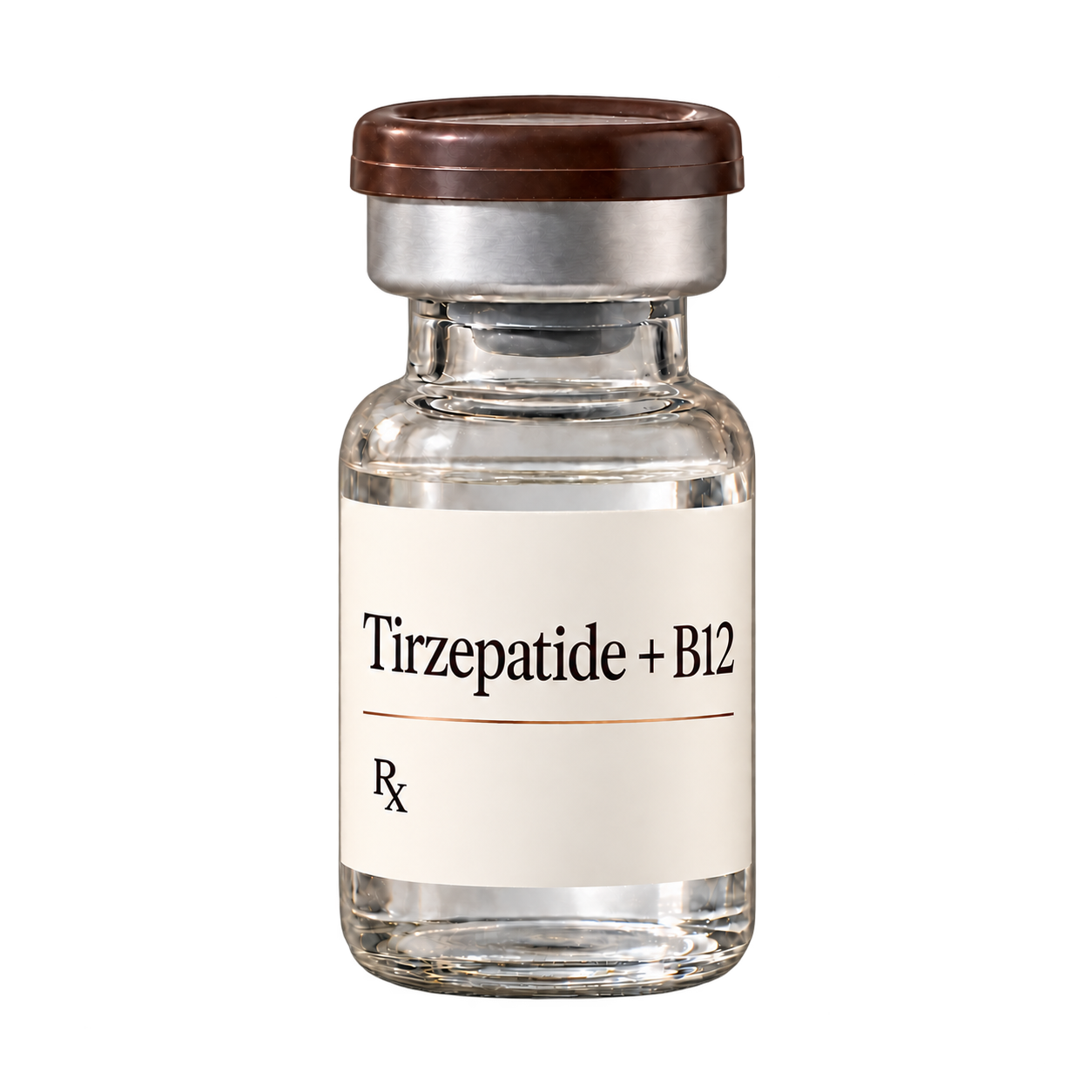
If you searched what dose of zepbound is most effective, the most accurate answer is that there is not one best dose for everyone. The FDA label uses stepwise dose increases to improve tolerability, then continues at a maintenance dose chosen based on response and side effects. Vitals Vault can help you interpret the label and prepare questions for your prescriber, including how tolerability, other medicines, and safety warnings can affect which maintenance dose is appropriate.
- No single Zepbound dose is most effective for everyone.
- The label titrates up, then continues at a maintenance dose.
- Higher maintenance doses had greater average weight loss in trials.
- Side effects and safety risks can limit dose increases.
Most effective dose: what the label supports
Maintenance dose is the goal
The dose that tends to matter most is the maintenance dose you can continue. The label includes more than one maintenance option, and your clinician may keep you at a lower dose if side effects are limiting. That is why there is not one universally most effective dose.
Titration improves tolerability
The label uses gradual increases to reduce gastrointestinal side effects such as nausea, vomiting, diarrhea, constipation, and abdominal pain. Moving up too quickly can make side effects harder to manage and can affect whether you can continue treatment.
Trials show a dose response
In SURMOUNT-1, participants assigned to higher maintenance doses had greater average weight loss than those assigned to lower doses. This does not mean higher is always better for you, because safety warnings, other conditions, and side effects can change the risk benefit balance.
Dose schedule and what affects dose choice
| Label topic | What the label says | What it means for you |
|---|---|---|
| Starting dose | Start at 2.5 mg once weekly for 4 weeks. | This starter dose is for initiation and to help your body adjust. |
| Dose increases | Increase in 2.5 mg steps after at least 4 weeks on the current dose. | Dose is typically increased gradually to improve tolerability. |
| Maintenance doses | Maintenance doses are 5 mg, 10 mg, or 15 mg once weekly. | Your clinician selects a maintenance dose based on response and side effects. |
| Maximum dose | The maximum dose is 15 mg once weekly. | Some people remain below the maximum due to side effects or safety factors. |
GI side effects can limit dose
Gastrointestinal side effects are common with tirzepatide and are a frequent reason clinicians slow titration or choose a lower maintenance dose. If symptoms interfere with eating, hydration, or daily life, your clinician may adjust the plan rather than pushing to a higher dose.
Low blood sugar with some drugs
The label warns that hypoglycemia risk can increase when tirzepatide is used with insulin or a sulfonylurea. Clinicians may adjust other diabetes medicines when starting or increasing tirzepatide, which can influence which maintenance dose is appropriate.
Kidney risk with dehydration
The label warns that nausea, vomiting, and diarrhea can lead to dehydration, which may worsen kidney function, including acute kidney injury. If you have kidney disease or cannot keep fluids down, your clinician may slow titration and monitor you more closely.
Gallbladder and pancreatitis warnings
Zepbound labeling includes warnings about acute gallbladder disease and acute pancreatitis. New severe upper abdominal pain, especially with vomiting, needs prompt medical evaluation. These risks are part of why dose decisions should stay with a clinician.
Thyroid tumor boxed warning
Zepbound has a boxed warning about risk of thyroid C-cell tumors based on animal studies, and it is contraindicated with a personal or family history of medullary thyroid carcinoma or MEN 2. This is not dose specific, but it affects whether the medication is appropriate at all.
When to talk to your clinician urgently
Severe stomach pain
Get medical help right away for severe abdominal pain that may radiate to your back, with or without vomiting. This can be a sign of pancreatitis, which is a labeled warning. Do not try to manage this by changing your dose on your own.
Gallbladder warning signs
Contact a clinician promptly for right upper belly pain, fever, yellowing of the skin or eyes, or clay-colored stools. Zepbound labeling warns about acute gallbladder disease. Your clinician will decide whether evaluation or treatment changes are needed.
Dehydration or kidney symptoms
If vomiting or diarrhea prevents you from keeping fluids down, or you notice decreased urination or swelling, seek medical advice promptly. The label notes kidney injury has occurred, sometimes with dehydration. This is a safety issue, not a reason to self-adjust dosing.
Possible low blood sugar
If you take insulin or a sulfonylurea, talk to your clinician about symptoms like shakiness, sweating, confusion, or fainting. The label warns hypoglycemia risk can increase with these combinations. Your clinician may adjust other diabetes medicines when tirzepatide is started or increased.
Neck lump or hoarseness
Report a lump or swelling in your neck, trouble swallowing, or persistent hoarseness. Zepbound carries a boxed warning related to thyroid C-cell tumors, and the label describes symptoms to watch for. Your clinician can decide what evaluation is appropriate.
Practical tips for staying on track
Aim for consistency
The most effective dose is often the one you can tolerate and stay on as maintenance.
Do not rush increases
If side effects are limiting, ask whether you should stay longer at a dose.
Review your medication list
Insulin and sulfonylureas can change hypoglycemia risk when tirzepatide is added.
Track symptoms between visits
Write down nausea, vomiting, constipation, appetite changes, and hydration issues to review.
Ask about monitoring
Ask what symptoms and labs your clinician uses to monitor safety and response.
Frequently Asked Questions
What dose of zepbound is most effective?
There is not one most effective dose for everyone. The FDA label titrates up and then continues at a maintenance dose (5 mg, 10 mg, or 15 mg once weekly) based on response and tolerability. Your prescribing clinician decides what fits you.
Is 15 mg always better than 10 mg for Zepbound?
In clinical trials, higher maintenance doses generally produced greater average weight loss, but side effects were also more common at higher doses. The label allows maintenance at 5 mg, 10 mg, or 15 mg once weekly. Your clinician balances benefit, side effects, and safety warnings.
How long do you stay on each Zepbound dose before increasing?
The label starts at 2.5 mg once weekly for 4 weeks and says dose increases occur in 2.5 mg steps after at least 4 weeks on the current dose. Some people may stay longer at a dose if tolerability is an issue. Your clinician sets your schedule.
Can you stay on a lower Zepbound maintenance dose long term?
Yes. The label includes multiple maintenance doses, and a lower maintenance dose may be used if it is effective and better tolerated. Long term dosing decisions should be made with your prescribing clinician and should consider side effects and safety warnings.
What side effects most often affect Zepbound dose increases?
The label lists gastrointestinal side effects such as nausea, vomiting, diarrhea, constipation, and abdominal pain. These symptoms are a common reason clinicians slow titration or choose a lower maintenance dose. Contact your clinician if side effects are persistent or severe.