
Ozempic legs: What it is and what helps
Ozempic legs is a nickname for looser leg skin after weight loss. It is not a labeled Ozempic side effect. Here is what may help.
Key facts
- Semaglutide + B12 is $157/month (billed $157 every 4 weeks), charged only after a clinician approves it.
- Answer a few health questions online. A licensed clinician reviews them. If approved, it ships to your door.
- Adults 18 or older. A licensed clinician reviews your health history and decides whether treatment is appropriate for you. Availability depends on the state you live in.


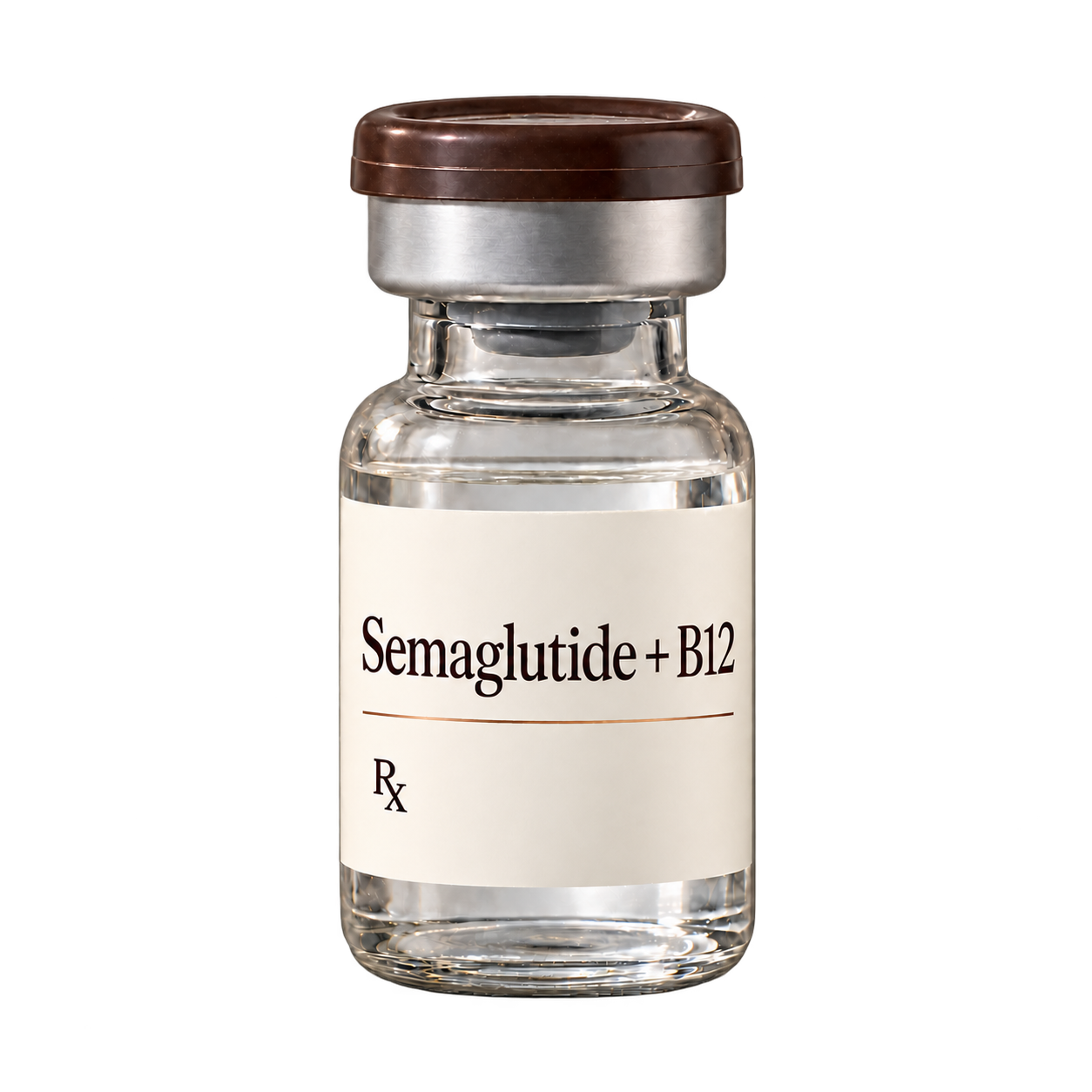
Ozempic legs is a social media term people use for looser, less firm skin on the thighs or calves after losing weight while taking a GLP-1 medicine such as Ozempic (semaglutide). It is not listed as a specific adverse reaction in the Ozempic prescribing information. If you are considering semaglutide for weight management, Vitals Vault offers Semaglutide (compounded, injectable), which is not Ozempic and is not FDA-approved. This page explains what may be happening and what is reasonable to discuss with a clinician.
- Ozempic legs usually means loose or sagging leg skin after weight loss, not a unique drug reaction.
- Rapid or larger weight loss can make skin laxity more noticeable, especially with age and sun damage.
- Strength training, steady nutrition and time may improve appearance, but skin may not fully tighten.
- New swelling, one-sided pain, redness or shortness of breath needs urgent medical evaluation.
Ozempic legs: the direct answer
- Is it an FDA-labeled side effect of Ozempic?
- No. Loose leg skin is not listed as a specific adverse reaction in the Ozempic label.
- Most likely explanation
- Skin laxity after body fat loss, which can happen with any method of weight loss.
- What to do first
- Rule out medical red flags like swelling, pain, redness or shortness of breath.
Why it happens and what may help
Skin laxity after weight loss
When body fat decreases, the skin may not fully retract, especially in areas that stretched for a long time. Collagen and elastin (proteins that help skin spring back) decline with age, and prior sun exposure can reduce elasticity. This can make thighs and calves look looser even when you feel healthier overall.
Weight loss speed matters
Faster weight loss can make changes in skin appearance more noticeable because the skin has less time to adapt. GLP-1 medicines can reduce appetite and food intake, which may accelerate weight change for some people. A clinician can help you choose a pace and plan that fits your health goals.
Muscle loss can change shape
Any calorie deficit can lead to some loss of lean mass unless you actively protect it. Less muscle in the legs can reduce firmness and make skin laxity stand out. Resistance training and adequate protein are common strategies to discuss with a clinician or dietitian.
Hydration and nutrition support skin
Severe calorie restriction or poor protein intake can affect skin and hair. If nausea or reduced appetite makes it hard to eat balanced meals, talk with your clinician about symptom control and nutrition planning. The Ozempic label lists gastrointestinal side effects that can contribute to reduced intake.
Time and procedures
Some tightening can occur over months as weight stabilizes, but it may be incomplete. Dermatology options range from topical care to energy-based devices and, for significant excess skin, surgery. A clinician can help you weigh benefits, risks and recovery time.
Not everything is skin laxity
If your legs look different because of swelling, warmth, redness, tenderness or sudden asymmetry, that is not typical "ozempic legs." Those symptoms can signal conditions that need prompt evaluation, such as a blood clot or heart, kidney or liver issues.
| What you notice | More likely explanation | What to do next |
|---|---|---|
| Loose, crepey skin on thighs or calves | Skin laxity after fat loss | Give it time after weight stabilizes; discuss strength training and nutrition |
| Legs look smaller but less firm | Some lean mass loss during weight loss | Ask about resistance training and protein targets appropriate for you |
| New swelling, one leg bigger, pain or redness | Possible clot or inflammation | Seek urgent medical evaluation |
| Swelling in both legs, shortness of breath | Possible fluid retention or heart or kidney issue | Seek urgent medical evaluation |
When to talk to a clinician
Urgent symptoms
Get urgent care for chest pain, shortness of breath, coughing up blood, fainting, or sudden one-sided leg swelling, pain, warmth or redness. These can be signs of a blood clot or other serious condition and are not something to watch at home.
Ongoing nausea or low intake
If nausea, vomiting, diarrhea or constipation makes it hard to eat or drink enough, tell your clinician. The Ozempic label lists gastrointestinal adverse reactions, and your care team may adjust your plan or add symptom support so you can maintain nutrition.
Rapid body changes or weakness
If you feel unusually weak, dizzy, or notice significant loss of strength, ask about hydration, nutrition and preserving lean mass. Your clinician may review diet, activity, other medications and whether labs are needed.
Skin irritation or rash
If you develop a rash, hives, swelling of the face or throat, or trouble breathing, seek emergency care. Hypersensitivity reactions are included in semaglutide labeling and can be serious.
Practical tips
Stabilize before judging results
Skin often looks different once your weight has been stable for a while.
Prioritize strength work
Resistance training can help preserve leg muscle and shape.
Aim for steady nutrition
If appetite is low, plan protein-forward meals you can tolerate.
Protect your skin
Moisturizer and sun protection support skin health over time.
Consider a dermatology consult
A dermatologist can review realistic options for laxity and texture.
Frequently Asked Questions
Is ozempic legs a real side effect of Ozempic?
Loose leg skin is not listed as a specific adverse reaction in the Ozempic prescribing information. The term usually describes skin laxity after weight loss, which can happen with any method of weight loss.
Does ozempic legs go away?
Sometimes skin appearance improves after weight stabilizes, but it may not fully tighten. Your age, how long the skin was stretched and how much weight you lost can all affect how much it changes over time.
Is ozempic legs caused by semaglutide itself or by weight loss?
In most cases, it is more consistent with weight-loss related skin laxity and changes in body composition. Semaglutide can lead to reduced food intake for some people, which may speed weight change and make these changes more noticeable.
What can I do to prevent ozempic legs while losing weight?
Discuss a plan that supports steady nutrition and preserves muscle, such as resistance training and adequate protein intake. If side effects like nausea limit your intake, tell your clinician so they can help you stay nourished.
When should I worry that leg changes are something serious?
Seek urgent care for sudden one-sided swelling, pain, warmth or redness in a leg, or for shortness of breath or chest pain. Those symptoms are not typical of skin laxity and need prompt medical evaluation.