
How to avoid ozempic face while losing weight
To avoid ozempic face, aim for slower loss, adequate protein, strength training, and hydration. Ask your clinician about pacing and nutrition support.
Key facts
- Semaglutide + B12 is $157/month (billed $157 every 4 weeks), charged only after a clinician approves it.
- Answer a few health questions online. A licensed clinician reviews them. If approved, it ships to your door.
- Adults 18 or older. A licensed clinician reviews your health history and decides whether treatment is appropriate for you. Availability depends on the state you live in.


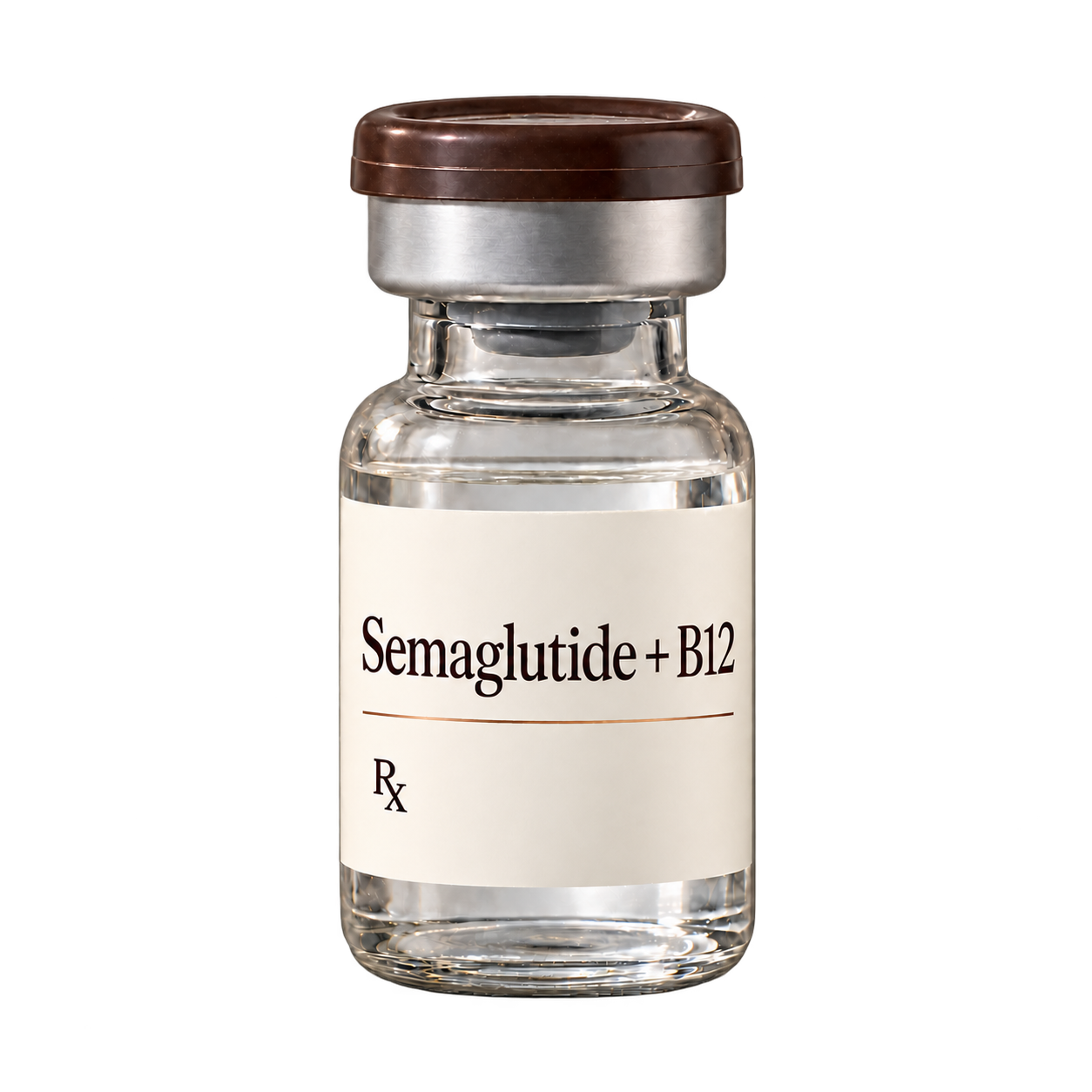
“Ozempic face” is a nickname for facial changes some people notice during weight loss, especially if weight comes off quickly. It is not a medical diagnosis, and it can happen with any method of weight loss, including GLP-1 medicines like semaglutide. This guide explains practical, clinician-aligned ways to reduce the chance of looking gaunt while using semaglutide, including pacing, nutrition, and strength training. If you are using Vitals Vault for compounded semaglutide care, your plan can include guidance on these basics alongside medication support.
- To avoid ozempic face, focus on slower weight loss plus protein and strength training.
- Rapid weight loss can reduce facial fat and make skin laxity more noticeable.
- Nausea and low appetite can lead to low protein intake, which may worsen muscle loss.
- Talk with your clinician if weight loss feels too fast or you look gaunt.
How to avoid ozempic face
Avoid rapid loss
Facial hollowing is more noticeable when weight drops quickly. If your appetite is extremely low or you are losing faster than feels healthy, bring it up with your prescribing clinician so they can reassess your plan.
Prioritize protein
Semaglutide can reduce appetite and food intake, which can make it harder to meet protein needs. Adequate protein supports lean mass, which can help you look less drawn as you lose weight.
Strength train consistently
Resistance training helps preserve or build muscle during weight loss. Keeping more lean mass can reduce the overall “deflated” look that some people associate with ozempic face.
Hydrate and manage nausea
Dehydration and persistent nausea can worsen a tired or gaunt appearance and make it harder to eat balanced meals. GLP-1 labels note gastrointestinal side effects are common, so plan for nausea management with your clinician.
Support skin health realistically
Skin laxity is influenced by age, genetics, sun exposure, and how quickly weight changes. Topical skin care can support the skin barrier, but it cannot fully replace lost facial volume, so set expectations early.
Why it happens and what helps most
It is mostly weight-loss related
The “ozempic face” look is usually explained by loss of facial fat (volume) plus skin laxity becoming more visible. This is not unique to GLP-1s and can occur with any substantial weight loss, especially when it is rapid.
Low intake can mean low protein
Semaglutide works partly by reducing appetite and slowing stomach emptying, which can make you feel full sooner. If you are eating much less, it is easier to under-eat protein, which may contribute to loss of lean mass and a more hollow look.
GI side effects can derail nutrition
Nausea, vomiting, diarrhea, constipation, and abdominal pain are listed among common adverse reactions with semaglutide products. If side effects keep you from eating or drinking normally, address them early so you can maintain a steadier nutrition pattern.
Strength training protects lean mass
During weight loss, your body can lose both fat and lean tissue. Regular resistance training is a practical way to help preserve lean mass, which can support a healthier overall appearance as the scale changes.
Sleep and stress still matter
Poor sleep and high stress can worsen under-eye darkness, puffiness, and perceived aging, even without major weight changes. If you are changing diet and medication routines, protect sleep and recovery so your face does not look more fatigued.
Cosmetic options are separate decisions
If facial volume loss is significant, some people consider dermatology options such as fillers or skin-tightening procedures. These are elective and should be discussed with a qualified clinician, especially if your weight is still changing.
| Contributor | Why it can affect your face | What to consider with a clinician |
|---|---|---|
| Rapid weight loss | Less facial fat volume and more visible skin laxity | Whether your plan pace is appropriate and sustainable |
| Low protein intake | More lean mass loss and a “drawn” look | Protein targets and food strategies that fit your appetite |
| Nausea or vomiting | Dehydration and reduced intake | Side-effect management and whether adjustments are needed |
| Low resistance training | Less support for lean mass during weight loss | A safe strength plan based on your fitness level |
| Sun damage and aging | Reduced skin elasticity over time | Skin protection and realistic expectations |
When to talk to a clinician
You look gaunt quickly
If your face changes noticeably over a short period, it can be a sign that weight loss or intake changes are happening too fast for your body. A clinician can help you reassess pacing, nutrition, and side effects.
You cannot keep food down
Persistent vomiting or inability to maintain hydration is not something to push through. Contact your clinician promptly, and seek urgent care for severe symptoms or signs of dehydration.
You have severe belly pain
GLP-1 medicines, including semaglutide products, carry warnings about serious conditions such as pancreatitis and gallbladder disease. Severe, persistent abdominal pain, especially with vomiting, needs urgent medical evaluation.
You feel weak or dizzy
Dizziness, fainting, or marked weakness can signal dehydration, low intake, or low blood sugar in some situations. A clinician can help determine whether medication effects, diet changes, or another issue is contributing.
Pro tips to reduce the “drawn” look
Build a protein routine
Pick a few protein-forward meals you can tolerate even on low-appetite days.
Lift before you cut harder
Start resistance training early so you are not trying to rebuild later.
Track hydration cues
If nausea limits fluids, ask about strategies before dehydration sets in.
Protect your skin barrier
Moisturizer and daily sunscreen support skin appearance during body changes.
Take progress photos
Monthly photos can show whether changes are gradual or sudden.
Frequently Asked Questions
How to avoid ozempic face while on semaglutide?
The most practical approach is to avoid rapid weight loss and protect lean mass with adequate protein and resistance training. If nausea or very low appetite is limiting intake, talk with your clinician early so nutrition and side effects can be addressed.
Is “ozempic face” caused by Ozempic itself?
Most experts attribute the look to weight loss related facial volume loss and skin laxity, which can happen with any significant weight loss. GLP-1 medicines like semaglutide can make weight loss faster for some people, which may make the change more noticeable.
Will ozempic face go away if I stop losing weight?
For some people, facial appearance can look less hollow once weight stabilizes and hydration and nutrition improve. If the main issue is loss of facial volume or skin laxity, it may not fully reverse on its own, so discuss options with a clinician.
Can nausea from semaglutide make ozempic face worse?
It can, because nausea and vomiting can reduce food and fluid intake, which may worsen dehydration and make it harder to meet protein needs. Semaglutide labels list gastrointestinal side effects as common, so bring persistent symptoms to your prescriber.
When should I worry that facial changes are a medical problem?
Seek medical advice if facial changes come with inability to keep fluids down, severe or persistent abdominal pain, fainting, or marked weakness. GLP-1 medicines including semaglutide have warnings for serious conditions such as pancreatitis and gallbladder disease, which need prompt evaluation.