
Does Ozempic cause nausea?
Does Ozempic cause nausea? Yes, especially when starting or increasing the dose. It often improves over time. Know red flags and when to call.
Key facts
- Semaglutide + B12 is $157/month (billed $157 every 4 weeks), charged only after a clinician approves it.
- Answer a few health questions online. A licensed clinician reviews them. If approved, it ships to your door.
- Adults 18 or older. A licensed clinician reviews your health history and decides whether treatment is appropriate for you. Availability depends on the state you live in.


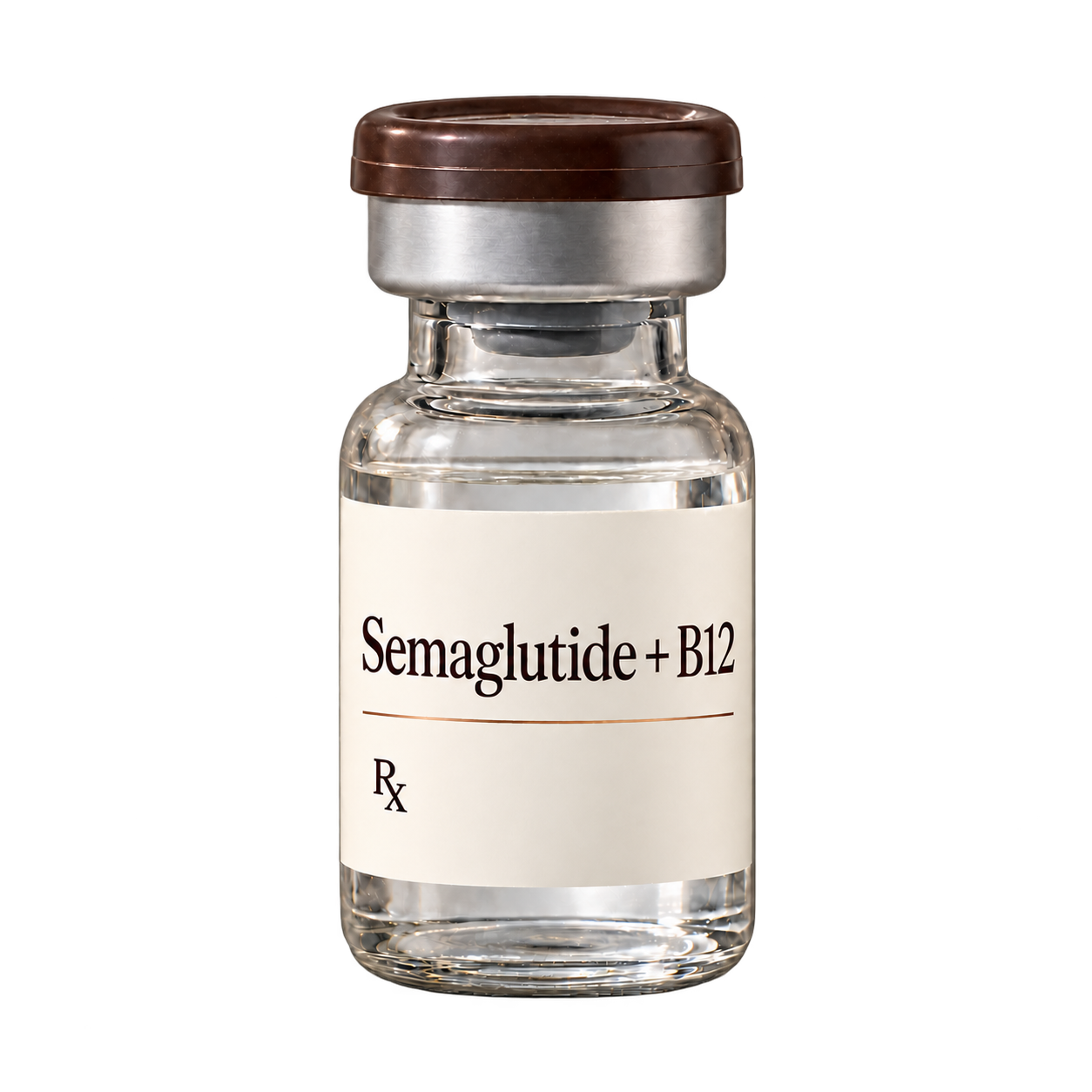
Yes, nausea is a known and common side effect of Ozempic (semaglutide). It tends to happen most often when you first start treatment or when the dose is increased, and it may improve as your body adjusts. This page explains why it happens, what can help, and when nausea could signal something more serious. If you want to review symptoms and next steps alongside your own health information, Vitals Vault also offers tools to help you prepare for a clinician conversation.
- Yes, Ozempic can cause nausea, especially early in treatment or after dose increases.
- Nausea is a common side effect of semaglutide and is usually mild to moderate.
- Eating smaller, lower-fat meals and avoiding overeating can help reduce nausea.
- Seek urgent care for severe belly pain with vomiting, dehydration, or signs of allergic reaction.
Does Ozempic cause nausea?
- Medication
- Ozempic (semaglutide), a GLP-1 receptor agonist
- Is nausea expected?
- Yes, nausea is a common adverse reaction in the FDA label.
- When it tends to happen
- Often early in treatment and after dose escalation (per label guidance on gradual dose increases).
Why it happens and what can help
Slower stomach emptying
Semaglutide slows how quickly food leaves your stomach, which can increase fullness and trigger nausea. This effect is part of how GLP-1 medicines work, but it can feel uncomfortable, especially if you eat past fullness. If nausea is persistent or severe, check in with your prescriber.
Dose increases can trigger symptoms
Nausea is often more noticeable when you first start semaglutide or when the dose is increased. The Ozempic label uses gradual dose escalation to improve tolerability, which reflects that gastrointestinal side effects are common early on. If symptoms flare after an increase, tell your clinician rather than trying to manage it alone.
Meal size and fat content matter
Large meals and high-fat foods can worsen nausea for some people on GLP-1 therapy. Eating smaller portions, stopping when you feel full, and choosing simpler foods can help. If you cannot keep fluids down, that is a reason to contact a clinician promptly.
Vomiting and dehydration risks
Ongoing nausea with vomiting can lead to dehydration. Dehydration can contribute to kidney problems, and acute kidney injury has been reported in people treated with GLP-1 receptor agonists, sometimes in the setting of nausea, vomiting, or diarrhea. Seek care if you have signs of dehydration such as dizziness, very dark urine, or minimal urination.
When nausea may signal pancreatitis
Nausea and vomiting can occur with many conditions, but severe and persistent abdominal pain, sometimes radiating to the back, with or without vomiting, can be a warning sign of pancreatitis. The Ozempic prescribing information warns about acute pancreatitis and advises evaluation if it is suspected.
Gallbladder problems are possible
GLP-1 medicines including semaglutide have warnings about acute gallbladder disease. If nausea comes with right upper abdominal pain, fever, or yellowing of the skin or eyes, contact a clinician urgently. These symptoms can suggest gallbladder inflammation or blockage that needs evaluation.
How long does Ozempic nausea last?
Often worst early on
For many people, nausea is most noticeable when starting semaglutide or after a dose increase, then improves as the body adjusts. The label’s gradual dose escalation is intended to improve gastrointestinal tolerability. If nausea does not improve or keeps returning after each increase, tell your clinician.
Can come and go
Some people notice nausea in waves, often tied to meal size, food choices, or timing relative to the injection day. Tracking when it happens can help you and your clinician identify patterns. Persistent nausea should be evaluated to rule out complications and to discuss tolerability strategies.
Long-lasting or worsening needs evaluation
Nausea that is progressively worsening, associated with repeated vomiting, or accompanied by severe abdominal pain is not something to wait out. These patterns can be seen with dehydration, pancreatitis, or gallbladder disease, all of which are addressed in the Ozempic warnings and precautions.
When to call a clinician or seek urgent care
Call soon for persistent nausea
Contact your prescriber if nausea lasts more than a few days, keeps you from eating or drinking normally, or interferes with daily activities. Your clinician may review your dose-escalation plan, other medications, and hydration status. Do not change your medication on your own.
Urgent: severe belly pain
Seek urgent evaluation for severe and persistent abdominal pain, especially if it radiates to your back or comes with vomiting. This can be a warning sign of pancreatitis, which is a labeled risk with semaglutide. Prompt evaluation matters.
Urgent: dehydration signs
Get medical help if you cannot keep fluids down, have fainting or severe dizziness, or urinate very little. The Ozempic label warns about acute kidney injury, sometimes in the setting of nausea, vomiting, or diarrhea. Dehydration can escalate quickly.
Urgent: allergic reaction symptoms
Seek emergency care for swelling of the face, lips, tongue, or throat, trouble breathing, or widespread rash. Serious hypersensitivity reactions are listed in the Ozempic prescribing information. Do not wait for symptoms to pass.
Practical ways to reduce nausea
Eat smaller meals
Stop at comfortable fullness. Overeating can worsen nausea on GLP-1 medicines.
Choose lower-fat foods
High-fat meals can feel heavier and may aggravate nausea for some people.
Sip fluids steadily
Small, frequent sips can help you stay hydrated if your stomach feels unsettled.
Avoid lying down after eating
Staying upright after meals may reduce reflux and nausea sensations.
Tell your clinician early
If nausea is limiting, ask about tolerability strategies and whether other causes should be checked.
Frequently Asked Questions
Does Ozempic cause nausea in most people?
Ozempic can cause nausea, and it is listed as a common side effect in the FDA prescribing information. How noticeable it is varies by person and is often more prominent when starting or increasing the dose. If it is persistent or severe, contact your clinician.
Why does Ozempic cause nausea?
Semaglutide slows stomach emptying and affects appetite and digestion, which can lead to nausea. This is part of the medication’s mechanism as a GLP-1 receptor agonist. Eating smaller meals and avoiding overeating may help.
Is nausea from Ozempic dangerous?
Mild nausea is common, but nausea with repeated vomiting can become serious if it leads to dehydration. The Ozempic label warns about acute kidney injury, sometimes in the setting of nausea, vomiting, or diarrhea. Severe belly pain with or without vomiting needs urgent evaluation for pancreatitis or gallbladder disease.
When should I go to the ER for nausea on Ozempic?
Seek emergency care for severe and persistent abdominal pain, inability to keep fluids down, fainting or severe dizziness, or symptoms of an allergic reaction such as swelling of the face or trouble breathing. These can signal complications that need prompt evaluation. If you are unsure, err on the side of urgent assessment.
Can I use Vitals Vault to figure out what is causing nausea?
Vitals Vault can help you order certain labs and share results with a clinician, which may be useful if symptoms are ongoing. Labs do not diagnose the cause of nausea on their own, and severe or sudden symptoms need urgent medical care. PocketMD can also help you organize questions for a clinician.