
Victoza side effects: what to expect
Victoza side effects often include nausea and diarrhea, but rare serious risks exist. Know warning signs and when to contact a clinician or seek urgent.
Key facts
- Answer a few health questions online. A licensed clinician reviews them. If approved, it ships to your door.
- Adults 18 or older. A licensed clinician reviews your health history and decides whether treatment is appropriate for you. Availability depends on the state you live in.


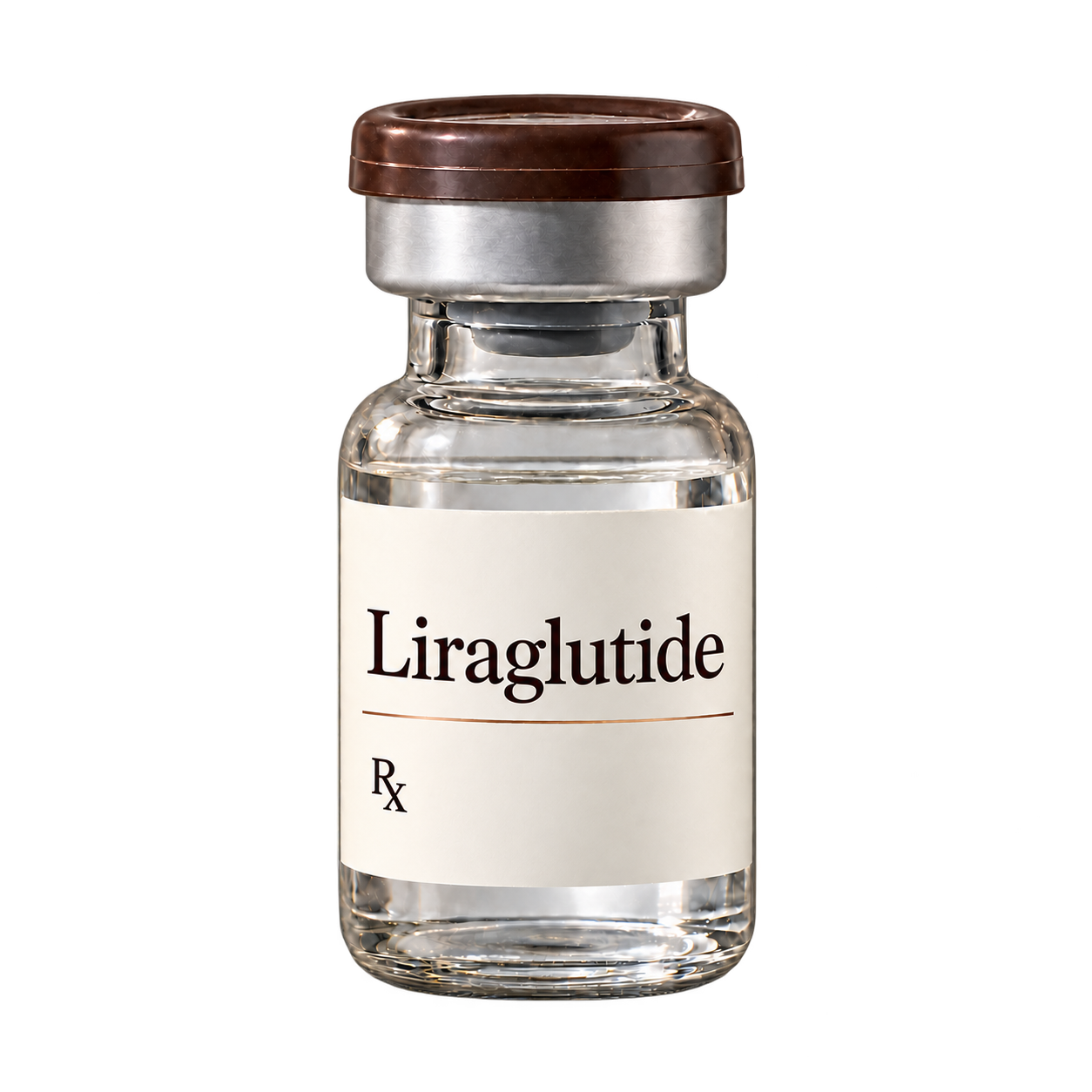
Searching for victoza side effects usually means you want to know what is normal, what is not, and what to do next. Many effects are gastrointestinal and may improve as your body adjusts, but some symptoms can be warning signs. This guide summarizes common and serious risks reported for liraglutide (Victoza) in FDA labeling, plus practical next steps. Vitals Vault also includes lab options and PocketMD to help you organize symptoms and questions for a clinician.
- Victoza side effects are often stomach-related, but some symptoms need urgent evaluation.
- Nausea, diarrhea, vomiting, decreased appetite, and constipation are common with liraglutide.
- Severe belly pain, persistent vomiting, or dehydration can signal pancreatitis or kidney injury.
- Gallbladder problems and low blood sugar can occur, especially with certain diabetes medicines.
Victoza side effects: the direct answer
Common vs serious side effects (and what they can mean)
Nausea
Nausea is one of the most common Victoza side effects and is often strongest when starting or increasing the dose. It can improve over time for many people. If nausea is severe or you cannot keep fluids down, contact a clinician because dehydration can become a safety issue.
Diarrhea
Diarrhea can happen as your digestion slows and your appetite changes. Focus on hydration and note whether symptoms are short-lived or persistent. Ongoing diarrhea or signs of dehydration are reasons to check in with a clinician.
Vomiting or indigestion
Vomiting, indigestion (dyspepsia), and stomach discomfort are reported with liraglutide. Occasional symptoms may settle, but persistent vomiting can lead to dehydration. Call a clinician if vomiting is repeated, severe, or paired with intense abdominal pain.
Constipation or decreased appetite
Constipation and decreased appetite are common with GLP-1 medicines like liraglutide. Track bowel changes and fluid intake, and tell your clinician if constipation is severe or prolonged. Sudden inability to eat or drink can also be a problem if it leads to dehydration.
Pancreatitis warning signs
Pancreatitis is inflammation of the pancreas and is a labeled serious risk. Seek urgent medical evaluation for severe abdominal pain that may radiate to the back, especially if it happens with vomiting. Do not try to manage severe abdominal pain at home.
Gallbladder problems
Gallbladder disease, including gallstones (cholelithiasis) and gallbladder inflammation (cholecystitis), is listed in warnings for liraglutide. Contact a clinician promptly for persistent right upper abdominal pain, fever, or yellowing of skin or eyes. These symptoms can overlap with other urgent conditions, so timely evaluation matters.
Kidney problems from dehydration
Acute kidney injury has been reported, sometimes in the setting of nausea, vomiting, diarrhea, or dehydration. If you have reduced urination, dizziness, fainting, or cannot keep fluids down, contact a clinician urgently. People with existing kidney disease may be more vulnerable.
Low blood sugar (hypoglycemia)
Victoza can increase the risk of low blood sugar when used with insulin secretagogues such as sulfonylureas or with insulin. Symptoms can include sweating, shakiness, confusion, and fast heartbeat. If you have diabetes and use other glucose-lowering medicines, ask your prescriber how to monitor and respond safely.
Serious allergic reactions
Serious hypersensitivity reactions, including anaphylaxis and angioedema, are listed in the label. Seek emergency care for trouble breathing, swelling of the face or throat, or widespread hives. Tell your clinician about any prior severe allergy history.
Thyroid C-cell tumor boxed warning
Liraglutide carries a boxed warning about thyroid C-cell tumors based on findings in rodents; it is unknown whether it causes these tumors in humans. Do not use liraglutide if you or a family member has medullary thyroid carcinoma or if you have MEN 2 (multiple endocrine neoplasia syndrome type 2). Report a neck lump, hoarseness, trouble swallowing, or shortness of breath to a clinician.
When to call a clinician vs seek urgent care
| What you notice | Why it matters | What to do |
|---|---|---|
| Mild nausea, mild diarrhea, constipation, indigestion | Common GLP-1 effects that may improve as your body adjusts | Message your clinician if persistent, worsening, or limiting hydration |
| Repeated vomiting or cannot keep fluids down | Dehydration can worsen kidney function and make you feel faint | Contact a clinician urgently; seek urgent care if severe or with weakness or fainting |
| Severe abdominal pain, with or without vomiting | Could be pancreatitis or gallbladder disease, which need prompt evaluation | Seek urgent medical evaluation |
| Trouble breathing, facial or throat swelling, widespread hives | Possible anaphylaxis or angioedema | Call emergency services or go to the ER |
| Shakiness, sweating, confusion, fast heartbeat | Possible low blood sugar, especially with insulin or sulfonylureas | Follow your diabetes action plan and contact your clinician for medication review |
Bring a clear symptom timeline
Note when symptoms started, how long they last, and whether they follow dose changes or missed meals. This helps a clinician judge whether symptoms are expected or need evaluation.
Mention other diabetes medicines
Low blood sugar risk depends on what else you take, especially insulin or sulfonylureas. Your clinician may adjust the overall regimen to reduce risk.
Report neck symptoms promptly
A neck lump, hoarseness, trouble swallowing, or shortness of breath should be discussed promptly because liraglutide has a thyroid C-cell tumor boxed warning.
Pro tips to improve tolerability
Prioritize hydration
If nausea or diarrhea hits, dehydration is the main safety concern to prevent.
Eat smaller, simpler meals
Large or high-fat meals can worsen nausea for some people on GLP-1 therapy.
Track triggers and patterns
Write down foods, timing, and symptom severity to share with your clinician.
Do not ignore severe belly pain
Severe abdominal pain is not a typical adjustment symptom and needs evaluation.
Frequently Asked Questions
What are the most common Victoza side effects?
The most common side effects in FDA labeling include nausea, diarrhea, vomiting, decreased appetite, indigestion, and constipation. These are often gastrointestinal and may improve over time for some people. Contact a clinician if symptoms are persistent or limit hydration.
What Victoza side effects are serious?
Serious risks listed in labeling include pancreatitis, gallbladder disease, kidney problems (often related to dehydration), severe allergic reactions, and low blood sugar when used with insulin or sulfonylureas. Seek urgent care for severe abdominal pain or signs of anaphylaxis. Discuss any concerning symptoms promptly with a clinician.
Can Victoza cause pancreatitis?
Pancreatitis is a labeled warning for liraglutide (Victoza). Severe abdominal pain that may radiate to the back, especially with vomiting, needs urgent medical evaluation. A clinician may use symptoms and labs such as lipase to help assess the cause.
Can Victoza cause low blood sugar?
Victoza can increase hypoglycemia risk when used with insulin secretagogues (such as sulfonylureas) or insulin. Symptoms can include sweating, shakiness, confusion, and a fast heartbeat. Ask your prescriber how to monitor and what to do if symptoms occur.
Does Vitals Vault offer Victoza?
Victoza is a brand product. Vitals Vault offers liraglutide (compounded), which is prepared by a licensed pharmacy for an individual prescription and is not FDA-approved. A licensed clinician reviews your health history and decides whether treatment is appropriate for you.