
Compounded semaglutide side effects: what to know
Compounded semaglutide side effects are often nausea and GI upset, but serious risks exist. Know the red flags, what helps, and when to get care.
Key facts
- Semaglutide + B12 is $157/month (billed $157 every 4 weeks), charged only after a clinician approves it.
- Answer a few health questions online. A licensed clinician reviews them. If approved, it ships to your door.
- Adults 18 or older. A licensed clinician reviews your health history and decides whether treatment is appropriate for you. Availability depends on the state you live in.


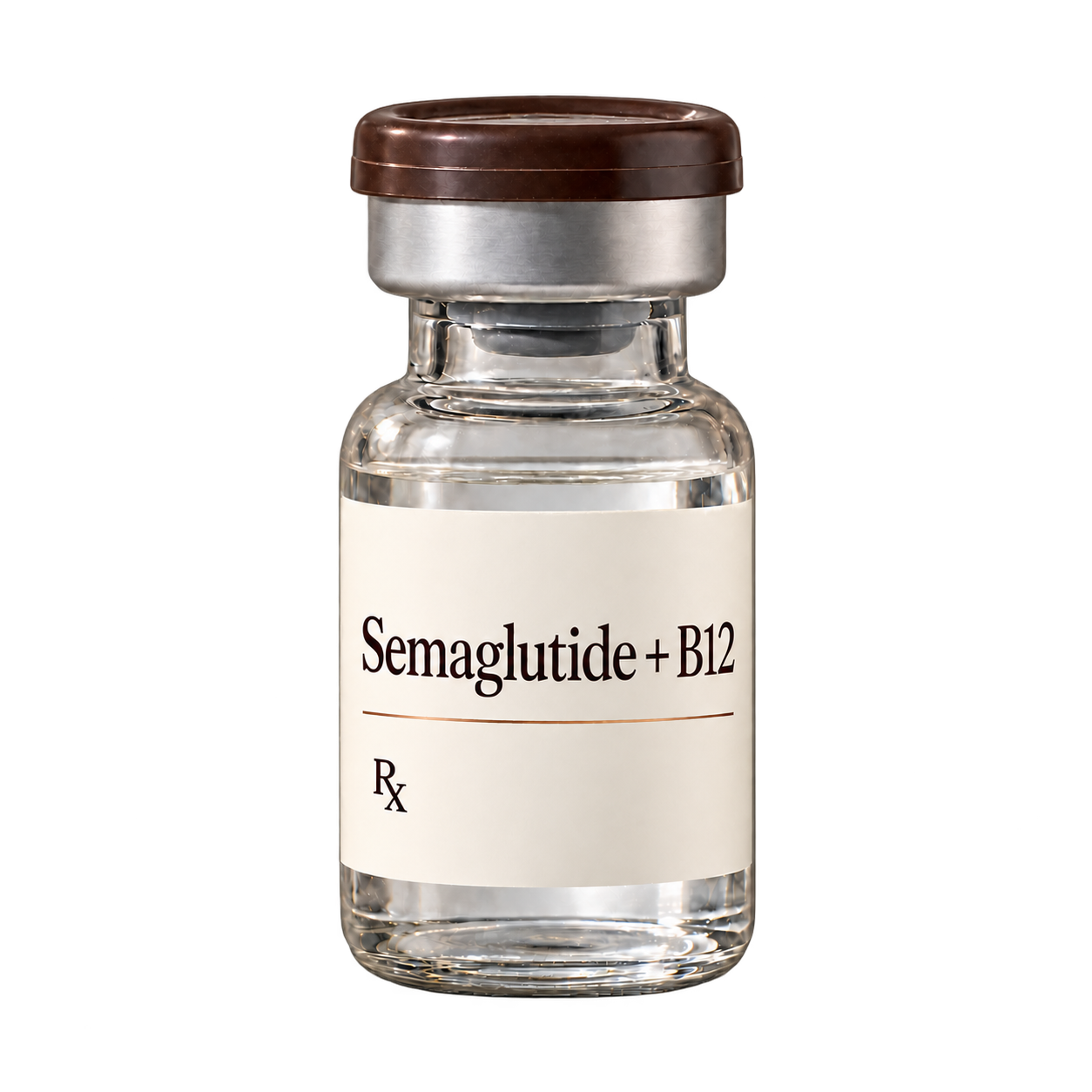
Compounded semaglutide can cause the same types of side effects seen with FDA-approved semaglutide products, especially stomach and bowel symptoms. Because compounded medications are not FDA-approved, your exact risk can also depend on the pharmacy formulation, dose accuracy, and how the medication is used. This guide from Vitals Vault explains common versus serious side effects, what tends to help, and clear red flags for when to call a clinician or seek urgent care.
- Compounded semaglutide side effects are usually nausea, vomiting, diarrhea, constipation, and stomach pain.
- Most side effects happen during dose increases and improve as your body adjusts.
- Serious risks include pancreatitis, gallbladder disease, kidney injury from dehydration, and allergic reactions.
- GLP-1 medicines carry a boxed warning about thyroid C-cell tumors in rodents; avoid if you have MTC or MEN 2.
- Seek urgent care for severe belly pain, dehydration, or signs of an allergic reaction.
What side effects can compounded semaglutide cause?
Common versus serious side effects
Nausea
Nausea is one of the most common effects with semaglutide and is often worse when starting or increasing the dose. Eating smaller meals and avoiding high-fat meals may help some people tolerate it. If nausea is persistent or you cannot keep fluids down, contact your clinician.
Vomiting
Vomiting can occur, especially during dose escalation. The main risk is dehydration, which can worsen kidney function. If you have repeated vomiting, dizziness, or you cannot keep liquids down, reach out promptly.
Diarrhea
Diarrhea is reported with semaglutide and may come and go. Focus on hydration and watch for signs of dehydration such as dark urine or lightheadedness. Ongoing diarrhea should be discussed with your clinician, especially if you also take medicines that affect kidney function.
Constipation
Constipation can happen because GLP-1 medicines slow stomach emptying and can change gut motility. Fluids, fiber, and gradual diet changes may help, but avoid aggressive laxative use without clinician guidance. Tell your clinician if constipation is severe or accompanied by significant belly pain.
Stomach pain and indigestion
Some people notice abdominal discomfort, bloating, reflux, or decreased appetite. Mild symptoms can improve over time, but severe or persistent pain needs evaluation. New, intense upper abdominal pain is a red flag for pancreatitis or gallbladder disease.
Injection-site reactions
Redness, itching, or irritation at the injection site can occur with injectable semaglutide products. With compounded semaglutide, the specific ingredients and concentration can vary by pharmacy, which may affect local reactions. If you develop swelling, hives, or trouble breathing, seek urgent care.
Pancreatitis
Acute pancreatitis (inflammation of the pancreas) has been reported with semaglutide. Get urgent medical care for severe, persistent abdominal pain that may radiate to the back, with or without vomiting. If pancreatitis is suspected, clinicians generally evaluate promptly and decide whether to stop the medication.
Gallbladder disease
Gallbladder problems, including gallstones and gallbladder inflammation, have been reported with GLP-1 medicines. Contact a clinician urgently for right upper abdominal pain, fever, yellowing of the skin or eyes, or clay-colored stools. Rapid weight loss can also increase gallstone risk, so symptoms should not be ignored.
Kidney injury from dehydration
Kidney problems, sometimes requiring dialysis, have been reported in people who develop severe nausea, vomiting, or diarrhea leading to dehydration. Seek care if you have reduced urination, faintness, or cannot maintain hydration. This risk can be higher if you already have kidney disease.
Severe allergic reaction
Serious hypersensitivity reactions (including anaphylaxis and angioedema) have been reported with semaglutide. Call emergency services for swelling of the face, lips, tongue, or throat, trouble breathing, or widespread hives. Because compounded products can differ by pharmacy, report the exact product and lot information if available.
Thyroid C-cell tumor warning
Semaglutide products carry a boxed warning: thyroid C-cell tumors occurred in rodents, and it is unknown if this risk applies to humans. Semaglutide is contraindicated if you have a personal or family history of medullary thyroid carcinoma (MTC) or Multiple Endocrine Neoplasia syndrome type 2 (MEN 2). Tell your clinician if you notice a neck lump, hoarseness, trouble swallowing, or shortness of breath.
Low blood sugar with certain drugs
Semaglutide can increase the risk of hypoglycemia (low blood sugar) when used with insulin or insulin secretagogues such as sulfonylureas. Symptoms can include sweating, shakiness, confusion, and fast heartbeat. If you use diabetes medications, ask your prescribing clinician how to monitor safely.
When to call a clinician or seek urgent care
Seek urgent care now
Get urgent evaluation for severe or persistent abdominal pain, repeated vomiting with inability to keep fluids down, signs of dehydration (faintness, very dark urine, minimal urination), chest tightness or trouble breathing, or swelling of the face or throat. These can signal pancreatitis, kidney injury, or a severe allergic reaction.
Call your clinician soon
Call if nausea, diarrhea, constipation, or reflux is not improving, is interfering with eating or drinking, or is causing missed work or sleep. Also call if you develop symptoms that could suggest gallbladder disease (right upper abdominal pain, fever, jaundice) or if you notice a neck lump or persistent hoarseness.
If you have diabetes medications
If you use insulin or a sulfonylurea, contact your clinician about hypoglycemia risk and what monitoring plan is appropriate. Do not make medication changes on your own, but do treat low blood sugar per your existing diabetes plan and seek help if symptoms are severe.
Pro tips for tolerability
Go slow with meals
Smaller, lower-fat meals can be easier to tolerate when nausea is present.
Hydration is a safety issue
If vomiting or diarrhea starts, focus on fluids and contact a clinician early.
Track patterns
Note when symptoms start, what you ate, and any dose changes to share with your clinician.
Review your other meds
Ask about interactions and hypoglycemia risk if you use insulin or sulfonylureas.
Confirm your compound details
Bring the pharmacy label and concentration details to your next clinical check-in.
Frequently Asked Questions
What are compounded semaglutide side effects?
Compounded semaglutide side effects are most often nausea, vomiting, diarrhea, constipation, and stomach pain. Serious risks can include pancreatitis, gallbladder disease, kidney injury related to dehydration, and allergic reactions. Discuss persistent or severe symptoms with a clinician.
What are the side effects of compounded semaglutide compared with brand semaglutide?
The expected side effects are similar because the active ingredient is semaglutide. However, compounded products are not FDA-approved and can vary by pharmacy formulation, which can affect tolerability and predictability. Ask your clinician to review the exact product you received.
When should I go to the ER for semaglutide side effects?
Seek urgent care for severe or persistent abdominal pain, repeated vomiting with inability to keep fluids down, signs of dehydration, or symptoms of a severe allergic reaction such as trouble breathing or face and throat swelling. These can be medical emergencies and need prompt evaluation.
Can compounded semaglutide cause pancreatitis or gallbladder problems?
Pancreatitis and gallbladder disease have been reported with semaglutide products. Severe upper abdominal pain, pain that radiates to the back, fever, or jaundice should be evaluated urgently. A clinician can decide what testing and next steps are appropriate.
Is there a boxed warning for semaglutide and thyroid cancer risk?
Semaglutide products carry a boxed warning because thyroid C-cell tumors occurred in rodents, and it is unknown if this risk applies to humans. Semaglutide is contraindicated if you have a personal or family history of medullary thyroid carcinoma or MEN 2. Review your history with your clinician before treatment.