
Tirzepatide weight loss: what it is and how to get it
Tirzepatide weight loss plans can help support weight management, but risks and access vary. See how it works, the side effects, and costs.
Key facts
- Tirzepatide + B12 is $169/month (billed $169 every 4 weeks), charged only after a clinician approves it.
- Answer a few health questions online. A licensed clinician reviews them. If approved, it ships to your door.
- Adults 18 or older. A licensed clinician reviews your health history and decides whether treatment is appropriate for you. Availability depends on the state you live in.
- A $20 clinician review, refunded if you don’t qualify.


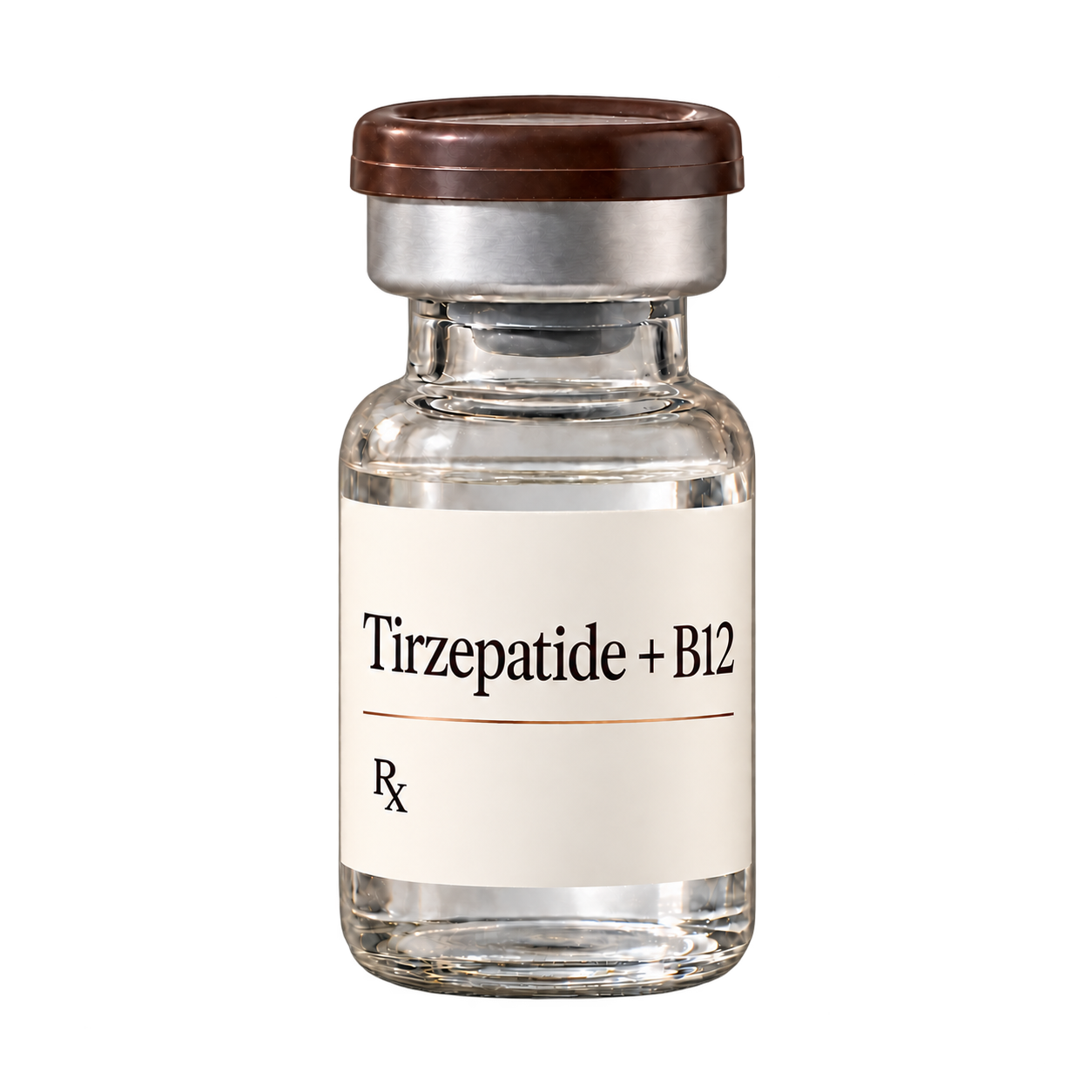
Tirzepatide is a once-weekly injectable medicine that can support weight management by helping you feel full sooner and eat less. It is FDA-approved as Zepbound for chronic weight management, and as Mounjaro for type 2 diabetes. Compounded tirzepatide is different: it is not FDA-approved. This page explains tirzepatide weight loss basics, who may or may not be a fit, side effects to watch for, and how access typically works.
- Tirzepatide weight loss support works by reducing appetite and slowing stomach emptying.
- Compounded tirzepatide is not FDA-approved and is made for an individual prescription.
- Common side effects are nausea, diarrhea, vomiting, constipation, and stomach pain.
- Serious risks include thyroid C-cell tumor warning, pancreatitis, gallbladder problems, and kidney injury.
- Cost varies by formulation, supply, and whether labs and follow-ups are included.
What tirzepatide is
A dual incretin medicine
Tirzepatide acts on two hormone pathways involved in appetite and blood sugar control: GIP and GLP-1. In FDA-approved products, it is used as a once-weekly injection. For weight management, the FDA-approved brand is Zepbound; Mounjaro is approved for type 2 diabetes.
Compounded is not FDA-approved
Compounded tirzepatide is prepared by a licensed pharmacy for an individual prescription and is not FDA-approved. That means it does not go through the same FDA review for safety, effectiveness, and manufacturing quality as Zepbound or Mounjaro.
Not a pill
If you are searching for tirzepatide pills, know that tirzepatide is not available as an FDA-approved oral tablet. The FDA-approved forms are injections. Be cautious with online claims of oral tirzepatide products.
Used with lifestyle changes
In clinical trials of FDA-approved tirzepatide for chronic weight management, participants also followed reduced-calorie diet and increased physical activity. Medication is usually considered one part of a broader plan that includes nutrition, activity, and follow-up.
- FDA-approved weight management brand
- Zepbound (tirzepatide) is approved for chronic weight management in adults with obesity or overweight with at least one weight-related condition.
- FDA-approved diabetes brand
- Mounjaro (tirzepatide) is approved to improve glycemic control in adults with type 2 diabetes.
- How it is taken (FDA-approved products)
- Once-weekly subcutaneous injection per prescribing information.
How tirzepatide works for weight loss
Helps you feel full sooner
Tirzepatide reduces appetite and can increase feelings of fullness after eating. Many people notice they get satisfied with smaller portions, which can make a reduced-calorie eating plan easier to follow.
Slows stomach emptying
Tirzepatide slows how quickly food leaves your stomach, especially after early doses. This effect can support fullness but can also contribute to nausea, vomiting, and constipation in some people.
Improves metabolic signals
By acting on GLP-1 and GIP receptors, tirzepatide influences insulin and glucagon signaling and overall energy intake. Even if you do not have diabetes, these pathways can affect hunger and weight regulation.
Works best with follow-up
Dose changes, side effect management, and monitoring for complications are part of safer use. Regular check-ins help a clinician decide whether benefits are outweighing risks for you over time.
Who tirzepatide may be for
Adults with obesity
FDA-approved tirzepatide for chronic weight management is indicated for adults with obesity, alongside reduced-calorie diet and increased physical activity. A clinician considers your BMI, health history, and weight-related risks when deciding if it fits.
Adults with overweight plus conditions
It may also be an option for adults with overweight who have at least one weight-related condition. Examples can include high blood pressure, abnormal cholesterol, or sleep apnea, but eligibility is individualized.
People who prefer weekly dosing
Tirzepatide is used once weekly in FDA-approved products. If you have struggled with daily medication routines, weekly dosing can be easier, but you still need consistent follow-up and side effect planning.
People who can monitor symptoms
Because serious side effects can occur, you need to be able to recognize warning signs and seek care quickly. This is especially important if you have a history of gallbladder disease, pancreatitis, or kidney problems.
Who should not take tirzepatide
MTC or MEN 2 history
Do not use tirzepatide if you or a family member has had medullary thyroid carcinoma (MTC), or if you have Multiple Endocrine Neoplasia syndrome type 2 (MEN 2). This is tied to the boxed warning about thyroid C-cell tumors in the prescribing information.
Prior serious allergy
Do not use tirzepatide if you have had a serious hypersensitivity reaction to tirzepatide or any component of the product. Signs can include swelling of the face, lips, tongue, or throat, or trouble breathing.
Pregnancy considerations
Weight management medications are generally not recommended during pregnancy. If you are pregnant, trying to become pregnant, or breastfeeding, discuss risks and alternatives with a clinician before using tirzepatide.
Certain diabetes combinations
If you use insulin or a sulfonylurea, your clinician may need to adjust your diabetes regimen because combining can increase the risk of low blood sugar. Do not make changes on your own.
What to expect with tirzepatide for weight management
A gradual dose increase
FDA-approved tirzepatide products use stepwise dose escalation to improve tolerability, particularly gastrointestinal side effects. Your clinician sets the schedule based on your response and side effects, and compounded products may have different protocols.
Early appetite changes
Many people notice reduced hunger and earlier fullness after starting or increasing dose. How quickly you feel changes varies, and side effects can be more noticeable during dose increases.
GI side effects may come first
Nausea, diarrhea, vomiting, constipation, and stomach discomfort are common and often happen early. Eating smaller meals, avoiding high-fat meals, and staying hydrated can help, but persistent symptoms should be reviewed by a clinician.
Long-term use and maintenance
Chronic weight management medications are typically evaluated over time for benefit and tolerability. If you stop therapy, appetite and weight can return, so clinicians often plan for maintenance strategies and ongoing lifestyle support.
Monitoring and labs
Depending on your history, a clinician may ask for baseline or follow-up labs to assess metabolic health and safety. This is especially relevant if you have diabetes, kidney disease, or other conditions that affect medication risk.
| Question | What the evidence supports |
|---|---|
| How quickly does tirzepatide work for weight loss? | Trials show weight change accumulates over months with ongoing dosing and lifestyle changes; early appetite effects can occur sooner. Exact timing varies by person and dose escalation. |
| What about tirzepatide weight loss results at 1 month? | Clinical trials report outcomes over longer timeframes; one-month experiences vary and are not a reliable predictor. A clinician focuses on tolerability, adherence, and safety early on. |
Tirzepatide side effects and warnings
Nausea
Nausea is one of the most common side effects with tirzepatide and is often more noticeable when starting or increasing dose. Smaller meals and avoiding greasy foods may help. Tell your clinician if nausea is persistent or leads to dehydration.
Diarrhea or constipation
Bowel changes are common with GLP-1 based medicines, including tirzepatide. Hydration and gradual diet changes can help. Seek care if you have severe diarrhea, constipation with significant pain, or signs of dehydration.
Vomiting and stomach pain
Vomiting and abdominal discomfort can occur, particularly during dose escalation. Ongoing vomiting can cause dehydration and kidney stress. Contact a clinician if you cannot keep fluids down or symptoms are worsening.
Thyroid C-cell tumor warning
Tirzepatide carries a boxed warning about thyroid C-cell tumors based on animal studies. It is contraindicated if you have a personal or family history of medullary thyroid carcinoma (MTC) or MEN 2. Report a neck lump, hoarseness, trouble swallowing, or shortness of breath to a clinician.
Pancreatitis
Acute pancreatitis has been reported with GLP-1 receptor agonists and is a warning for tirzepatide. Seek urgent care for severe abdominal pain that may radiate to the back, with or without vomiting. A clinician will decide whether tirzepatide should be stopped if pancreatitis is suspected.
Gallbladder problems
Gallbladder disease, including gallstones, has been reported with GLP-1 based therapies and is a warning for tirzepatide. Contact a clinician for right upper abdominal pain, fever, yellowing of skin or eyes, or clay-colored stools. Rapid weight loss itself can also increase gallstone risk.
Kidney injury from dehydration
Kidney problems can occur, sometimes related to dehydration from nausea, vomiting, or diarrhea. If you have kidney disease or take medicines that affect kidneys, monitoring may matter more. Seek care if you have very little urination, dizziness, or cannot keep fluids down.
Low blood sugar with other meds
Tirzepatide can increase the risk of hypoglycemia when used with insulin or sulfonylureas. Symptoms can include shakiness, sweating, confusion, or fast heartbeat. Your clinician may adjust other diabetes medicines to reduce risk.
Allergic reactions
Serious hypersensitivity reactions can occur. Get urgent care for swelling of the face, lips, tongue, or throat, trouble breathing, or widespread rash. Do not re-challenge without clinician guidance.
Injection site reactions
Redness, itching, or irritation at the injection site can happen. Persistent or severe reactions should be reviewed, especially with compounded products where excipients may differ.
Cost and access for tirzepatide
What drives cost
Cost depends on whether you are using an FDA-approved brand product or a compounded formulation, the dose and supply, and whether your plan includes clinician visits and follow-ups. Lab testing, if needed, can also affect total cost. Current prices for the product on this page are shown in the price block.
Insurance and coverage
Coverage for weight management medications varies widely by employer plan and insurer, and many plans require prior authorization. Compounded medications are typically not covered by insurance. A clinician or care team can help you understand what documentation may be needed.
Supply and availability
Access can change based on pharmacy supply, state rules, and whether you are seeking brand or compounded medication. Availability also depends on the state you live in and whether a licensed clinician can prescribe in your state.
Why labs may be requested
A clinician may ask for recent lab results before prescribing to understand your metabolic health and safety risks. This can help guide medication choice and monitoring, especially if you have diabetes, kidney disease, or other conditions.
How to get tirzepatide for weight loss
- 1
Complete an intake
Share your health history, current medications, and weight-related goals so a clinician can assess fit and risks.
- 2
Review labs if needed
A clinician may ask for recent lab results before prescribing, especially if you have metabolic or kidney risks.
- 3
Clinician decision and plan
A licensed clinician reviews your information and decides whether tirzepatide is appropriate for you, including dosing and follow-up.
- 4
Ongoing check-ins
Plans typically include follow-up to manage side effects, monitor safety, and adjust the plan over time.
Frequently Asked Questions
How does tirzepatide work for weight loss?
Tirzepatide activates GIP and GLP-1 receptors, which can reduce appetite and slow stomach emptying, helping you feel full sooner. In trials of FDA-approved tirzepatide, it was used with diet and activity changes for chronic weight management.
Is tirzepatide FDA approved for weight loss?
Yes, tirzepatide is FDA-approved for chronic weight management under the brand name Zepbound. Compounded tirzepatide is different: it is prepared by a pharmacy for an individual prescription and is not FDA-approved.
How quickly does tirzepatide work for weight loss?
Some people notice reduced hunger early, but clinical trial outcomes are measured over months with ongoing dosing and lifestyle changes. Your early experience can vary based on dose escalation and side effects, so follow-up with a clinician matters.
How to get tirzepatide for weight loss?
Tirzepatide requires a prescription. A licensed clinician reviews your health history and decides whether it is appropriate, and they may ask for recent labs before prescribing. Availability depends on the state you live in.
Are there tirzepatide pills for weight loss?
No FDA-approved tirzepatide pill is available. FDA-approved tirzepatide products are once-weekly injections. If you see oral tirzepatide sold online, treat it as a red flag and discuss safer options with a clinician.