
Tirzepatide and alcohol: can you drink?
Tirzepatide and alcohol can mix sometimes, but alcohol can worsen side effects and raise low blood sugar risk. Know when to avoid it.
Key facts
- Tirzepatide + B12 is $169/month (billed $169 every 4 weeks), charged only after a clinician approves it.
- Answer a few health questions online. A licensed clinician reviews them. If approved, it ships to your door.
- Adults 18 or older. A licensed clinician reviews your health history and decides whether treatment is appropriate for you. Availability depends on the state you live in.


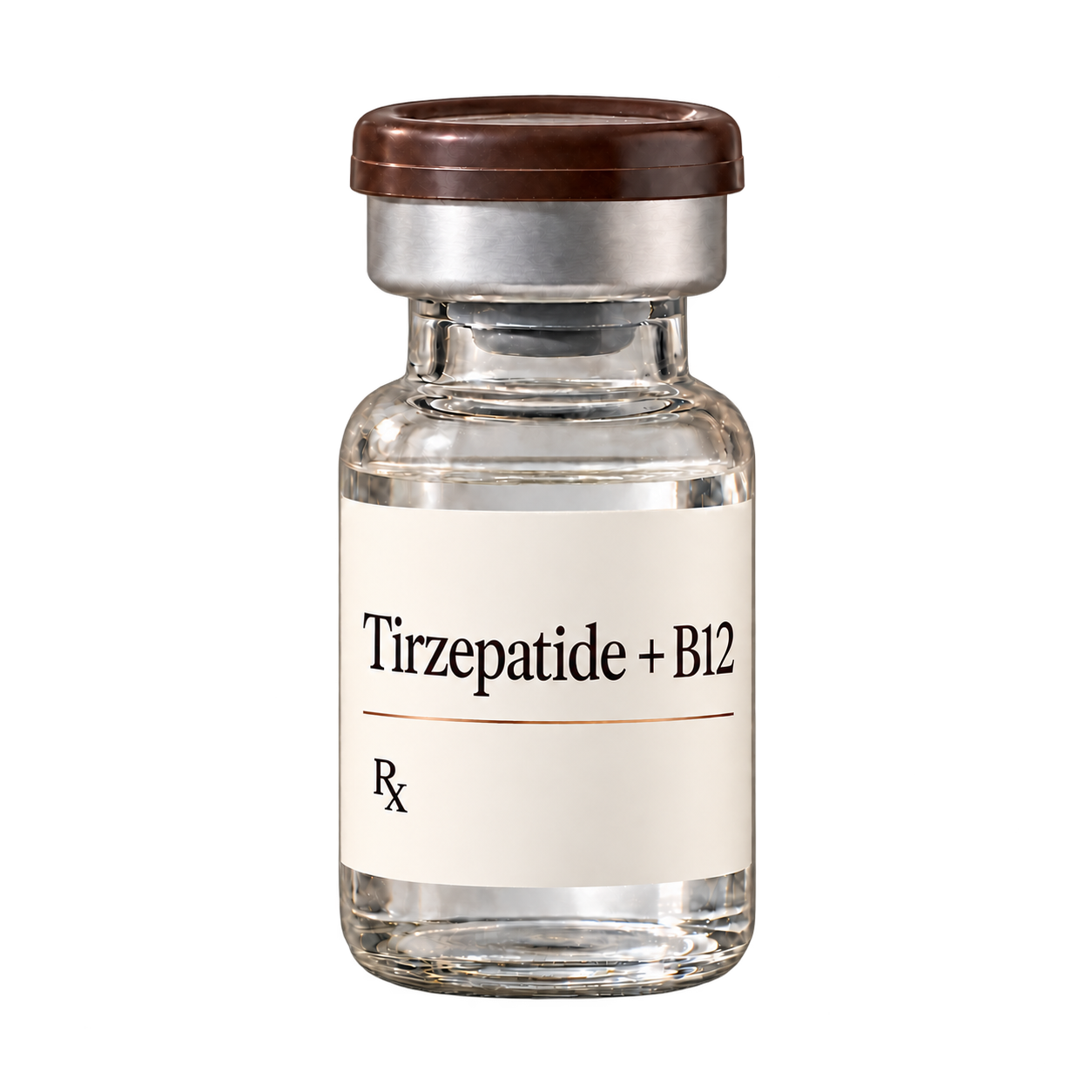
Many people ask whether tirzepatide and alcohol are safe together. There is no specific prohibition in tirzepatide prescribing information, but alcohol can make common GLP-1 side effects like nausea and vomiting harder to manage and can contribute to dehydration. This guide explains the main risks to watch for, when drinking is more likely to be a bad idea, and what to discuss with your clinician. If you are using Vitals Vault to explore care options, use this page to prepare safer, more specific questions for your visit.
- Tirzepatide and alcohol can mix for some people, but alcohol may worsen nausea and raise low blood sugar risk.
- If you use insulin or a sulfonylurea, alcohol plus tirzepatide can increase hypoglycemia risk.
- Avoid drinking if you have vomiting, dehydration, or symptoms of pancreatitis, and seek urgent care for severe belly pain.
- Because compounded tirzepatide is not FDA-approved, follow your prescriber and pharmacy guidance closely.
Can you drink alcohol while taking tirzepatide?
No label ban, but caution
Tirzepatide labeling does not list alcohol as a contraindication or a direct drug interaction. Even so, alcohol can amplify effects that are already common early in treatment, especially nausea, vomiting, and reduced appetite.
Higher risk with diabetes meds
Tirzepatide can increase the risk of hypoglycemia when used with insulin or insulin secretagogues such as sulfonylureas. Alcohol can also contribute to hypoglycemia, so the combination is a reason to be more conservative and to discuss a plan with your clinician.
Skip alcohol when you feel unwell
If you are already having vomiting, diarrhea, or poor oral intake, alcohol can worsen dehydration and make it harder to recover. This matters because severe fluid loss can contribute to kidney problems, which are a known warning with this drug class.
Why alcohol can feel worse on tirzepatide
More nausea and vomiting
Nausea, vomiting, diarrhea, decreased appetite, constipation, and indigestion are among the most common adverse reactions with tirzepatide. Alcohol can irritate the stomach and can make these symptoms more likely or more intense, especially around dose increases.
Dehydration and kidney strain
Vomiting and diarrhea can lead to dehydration. Tirzepatide labeling warns about acute kidney injury, sometimes in the setting of nausea, vomiting, diarrhea, or dehydration, and recommends monitoring kidney function in patients with renal impairment who report severe gastrointestinal reactions. Alcohol can worsen dehydration, which can increase this risk.
Low blood sugar in some people
Tirzepatide can cause hypoglycemia when used with insulin or sulfonylureas, and dose reduction of those medicines may be needed. Alcohol can also lower blood sugar for some people, particularly when drinking without food. If you take other glucose-lowering medicines, ask your clinician how to reduce risk.
Pancreatitis symptoms need urgent care
Acute pancreatitis has been reported with tirzepatide. The label advises stopping tirzepatide if pancreatitis is suspected and not restarting if confirmed. Heavy alcohol use is a known pancreatitis risk factor in general, so new severe and persistent abdominal pain, with or without vomiting, should be treated as urgent.
Gallbladder problems can mimic hangover
Acute gallbladder disease has been reported with tirzepatide. Symptoms like right upper abdominal pain, nausea, vomiting, fever, or jaundice should not be written off as a hangover. If these occur, contact a clinician promptly for evaluation.
| Issue | What you might notice | Why alcohol matters | What to do |
|---|---|---|---|
| GI side effects | Nausea, vomiting, diarrhea, indigestion | Alcohol can worsen stomach irritation and dehydration | Consider avoiding alcohol until symptoms are stable; contact a clinician if severe |
| Hypoglycemia (in some people) | Shakiness, sweating, confusion, fast heartbeat | Risk increases when tirzepatide is combined with insulin or sulfonylureas; alcohol may lower glucose | Discuss a prevention plan with your clinician, especially if you use other diabetes meds |
| Pancreatitis warning | Severe persistent belly pain, sometimes with vomiting | Alcohol is a general pancreatitis risk factor; do not assume it is just alcohol-related discomfort | Seek urgent care for severe or persistent pain |
| Kidney injury warning | Low urine, dizziness, worsening weakness | Dehydration from alcohol plus vomiting or diarrhea can increase risk | Get medical advice promptly if you cannot keep fluids down |
When to call a clinician or seek urgent care
Severe belly pain
Seek urgent care for severe, persistent abdominal pain, with or without vomiting. This can be a sign of pancreatitis, which has been reported with tirzepatide and needs prompt evaluation.
Repeated vomiting or dehydration
Call a clinician if you cannot keep fluids down, have ongoing vomiting or diarrhea, feel faint, or have very low urine output. Dehydration can contribute to kidney injury, and the label advises monitoring kidney function when severe GI reactions occur.
Symptoms of low blood sugar
If you have shakiness, sweating, confusion, or unusual sleepiness, contact a clinician promptly, especially if you use insulin or a sulfonylurea. Tirzepatide can increase hypoglycemia risk when combined with these medicines.
Possible gallbladder symptoms
Contact a clinician for right upper abdominal pain, fever, jaundice, or persistent nausea and vomiting. Acute gallbladder disease has been reported with tirzepatide and should be evaluated rather than attributed to alcohol.
If you drink heavily or often
Bring it up before starting or escalating treatment. Your clinician may want to review pancreatitis risk, liver health, hydration habits, and any other medicines that affect blood sugar.
Practical tips if you choose to drink
Start conservative
If you drink, consider starting with less than your usual amount to see how you feel.
Do not drink on an empty stomach
Eating can reduce nausea and may lower the chance of alcohol-related low blood sugar.
Hydrate and watch for vomiting
If alcohol triggers vomiting or diarrhea, stop drinking and contact a clinician if it is severe.
Be extra cautious with diabetes meds
If you use insulin or sulfonylureas, ask your clinician how to prevent hypoglycemia when drinking.
Avoid mixing with other triggers
Large, high-fat meals and alcohol together can worsen indigestion and nausea for many people.
Frequently Asked Questions
Can you drink alcohol while taking tirzepatide?
Many people can, but alcohol can worsen nausea, vomiting, and dehydration that are common with tirzepatide. If you use insulin or a sulfonylurea, ask your clinician because the combination can increase low blood sugar risk.
Is alcohol and tirzepatide a dangerous combination?
It can be risky in certain situations, especially if you have significant GI side effects, dehydration, or you take other diabetes medicines that can cause hypoglycemia. Seek urgent care for severe, persistent abdominal pain because pancreatitis has been reported with tirzepatide.
Does drinking alcohol make tirzepatide side effects worse?
It can. Tirzepatide commonly causes nausea, vomiting, diarrhea, constipation, decreased appetite, and indigestion, and alcohol can aggravate stomach irritation and fluid loss. If symptoms become severe or you cannot keep fluids down, contact a clinician.
What symptoms mean I should stop drinking and get help?
Stop drinking and seek urgent care for severe, persistent abdominal pain with or without vomiting. Call a clinician promptly for repeated vomiting or diarrhea, signs of dehydration, or symptoms of low blood sugar, especially if you use insulin or sulfonylureas.
Does Vitals Vault offer guidance if I have questions about tirzepatide and alcohol?
Yes. PocketMD is free to download and can help you ask questions using your own labs and health history and tell you when to see a clinician. It is not a doctor and is not for emergencies.