
Can you drink alcohol on Ozempic?
Can you drink alcohol on Ozempic? It is not banned, but alcohol can worsen nausea, raise hypoglycemia risk with diabetes meds, and stress the pancreas.
Key facts
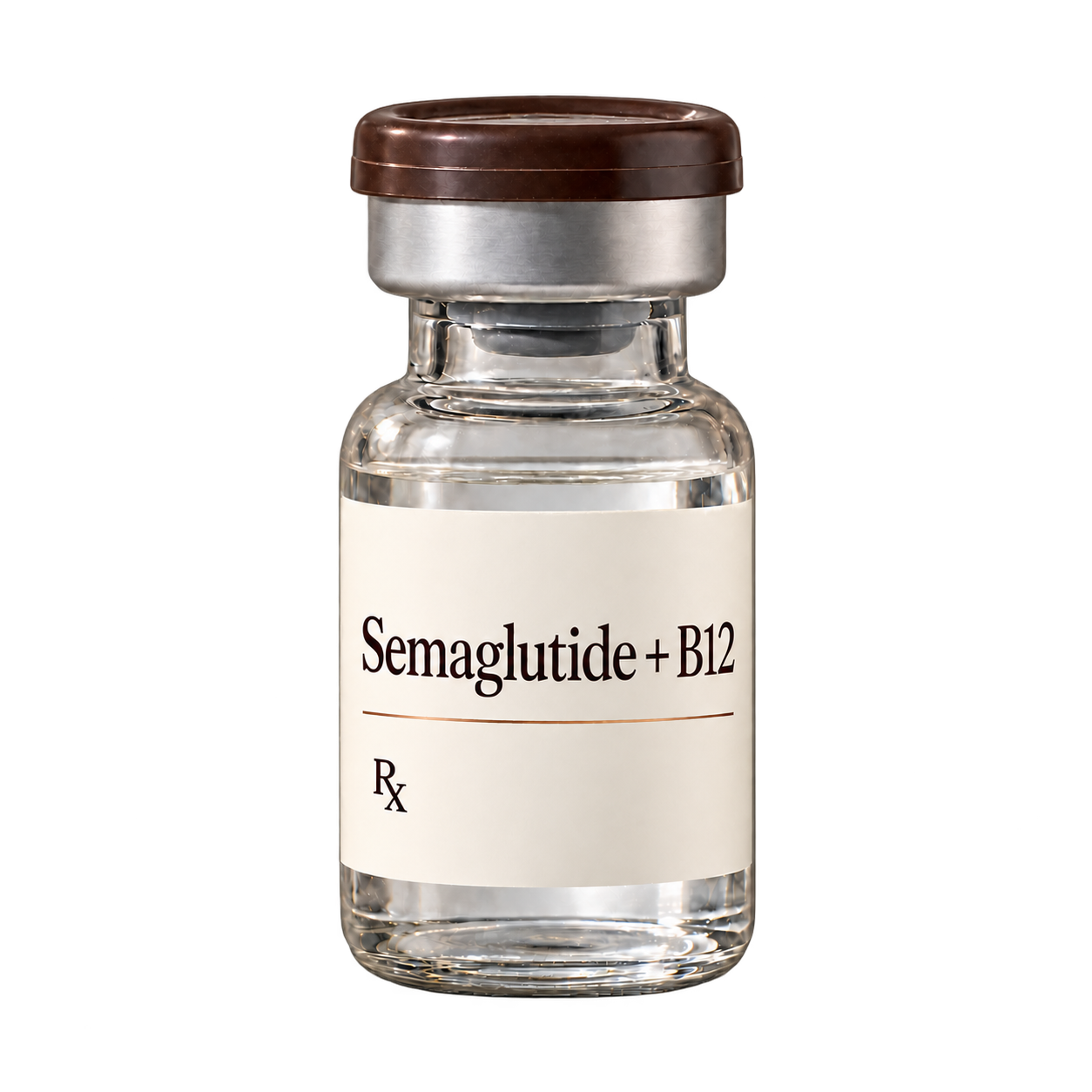
- Semaglutide + B12 is $157/month (billed $157 every 4 weeks), charged only after a clinician approves it.
- Answer a few health questions online. A licensed clinician reviews them. If approved, it ships to your door.
- Adults 18 or older. A licensed clinician reviews your health history and decides whether treatment is appropriate for you. Availability depends on the state you live in.


For most people, alcohol is not strictly forbidden with Ozempic (semaglutide). The bigger issue is safety: alcohol can worsen common Ozempic side effects like nausea, and it can raise the risk of low blood sugar if you also take certain diabetes medicines. This guide explains what the label warns about, what symptoms to watch for, and when to call a clinician. If you want to check for alcohol related strain on your liver or overall health, Vitals Vault can help you start with labs and share results with a clinician.
- Yes, you can drink alcohol on Ozempic, but it may worsen side effects and raise certain risks.
- Alcohol can increase low blood sugar risk if you also use insulin or sulfonylureas.
- Both alcohol and semaglutide can cause nausea and vomiting, which can lead to dehydration.
- Seek urgent care for severe, persistent belly pain, with or without vomiting, due to pancreatitis concern.
Can you drink alcohol on Ozempic?
Why alcohol can be riskier on semaglutide
More nausea and vomiting
Ozempic commonly causes nausea, vomiting, diarrhea, abdominal pain, and constipation. Alcohol can also irritate the stomach and trigger nausea, so combining them can make symptoms more likely or harder to tolerate. Repeated vomiting can lead to dehydration, which can be more serious if you also have kidney problems.
Dehydration and kidney stress
The Ozempic label warns that dehydration from severe gastrointestinal symptoms can worsen kidney function, including reports of acute kidney injury. Alcohol can contribute to dehydration, especially if you are vomiting or not eating normally. If you notice reduced urination, dizziness, or worsening fatigue, contact a clinician promptly.
Low blood sugar with certain meds
Ozempic can increase the risk of hypoglycemia when used with insulin or insulin secretagogues such as sulfonylureas. Alcohol can also lower blood sugar, particularly if you drink without eating. If you use insulin or a sulfonylurea, discuss safer limits and monitoring with your prescriber.
Pancreatitis symptoms matter
Ozempic carries a warning for acute pancreatitis. Heavy alcohol use is also a known risk factor for pancreatitis, so drinking may add risk in susceptible people. Get urgent evaluation for severe and persistent abdominal pain, sometimes radiating to the back, with or without vomiting.
Harder to meet nutrition goals
Semaglutide often reduces appetite and slows stomach emptying. Alcohol can make it easier to under eat protein and fluids or to choose foods that worsen reflux and nausea. If you drink, planning food and hydration ahead of time can reduce next day symptoms.
| If this applies to you | Why alcohol may be riskier | What to ask |
|---|---|---|
| You take insulin or a sulfonylurea | Higher hypoglycemia risk when combined with semaglutide; alcohol can further lower glucose | Whether you need a different plan for drinking days and how to monitor symptoms |
| You get nausea or vomiting on semaglutide | Alcohol can worsen GI side effects and dehydration risk | Whether to avoid alcohol until symptoms are controlled and what hydration plan to use |
| You had pancreatitis before | Semaglutide has pancreatitis warnings; alcohol can be a pancreatitis trigger | Whether alcohol is appropriate at all and what warning signs require urgent care |
| You have kidney disease or prior acute kidney injury | Dehydration from vomiting or diarrhea can worsen kidney function | When to pause alcohol and when to seek evaluation for dehydration |
When to call a clinician or seek urgent care
Severe belly pain
Seek urgent care for severe, persistent abdominal pain, with or without vomiting. This is a key warning sign for pancreatitis in the Ozempic prescribing information. Do not try to wait it out if the pain is intense or worsening.
Repeated vomiting or dehydration
Call a clinician promptly if you cannot keep fluids down, you have ongoing vomiting or diarrhea, or you feel faint. The Ozempic label notes kidney problems can worsen with dehydration from gastrointestinal side effects. You may need evaluation and a plan to prevent complications.
Low blood sugar symptoms
If you use insulin or a sulfonylurea, contact your care team if you have shakiness, sweating, confusion, or other symptoms of hypoglycemia, especially after drinking. Your clinician may need to adjust your overall diabetes plan to reduce risk. Seek urgent help if symptoms are severe or you cannot safely treat them.
Gallbladder symptoms
Contact a clinician for right upper abdominal pain, fever, yellowing of the skin or eyes, or clay colored stools. GLP-1 medicines including semaglutide have warnings about acute gallbladder disease. Alcohol is not the only cause, but symptoms should be evaluated.
Practical ways to reduce risk
Avoid drinking on an empty stomach
Eating can reduce nausea and lower hypoglycemia risk, especially if you use diabetes medicines.
Hydrate before and after
Alcohol plus GI side effects can dehydrate you. Plan fluids and stop if vomiting starts.
Go slowly and track symptoms
If alcohol worsens nausea, reflux, or fatigue, consider avoiding it until you feel stable.
Be extra cautious with diabetes meds
If you use insulin or sulfonylureas, ask your prescriber about safer limits and monitoring.
Know the red flags
Severe belly pain, persistent vomiting, or confusion after drinking needs urgent evaluation.
Frequently Asked Questions
Can you drink alcohol on Ozempic if you have diabetes?
Sometimes, but you should be cautious. Ozempic can increase hypoglycemia risk when used with insulin or sulfonylureas, and alcohol can also lower blood sugar. Ask your prescriber what is safest for your medication plan.
Why does alcohol make Ozempic nausea worse?
Nausea and vomiting are common Ozempic side effects, and alcohol can irritate the stomach and worsen reflux. Together they can make GI symptoms more likely and increase dehydration risk. If symptoms are frequent or severe, talk with a clinician.
What symptoms mean I should stop drinking and get checked?
Seek urgent care for severe, persistent abdominal pain with or without vomiting, because pancreatitis is a warning for semaglutide. Call a clinician promptly for repeated vomiting, signs of dehydration, or confusion or severe low blood sugar symptoms.
Can alcohol increase pancreatitis risk while on Ozempic?
Ozempic has warnings about acute pancreatitis, and heavy alcohol use is a known pancreatitis risk factor. That means alcohol may add risk in some people, especially if you have a prior history of pancreatitis. Discuss your personal risk with your clinician.
Is compounded semaglutide the same as Ozempic for drinking alcohol safety?
Ozempic is a brand product, while compounded semaglutide is prepared by a pharmacy for an individual prescription and is not FDA-approved. Safety considerations about semaglutide and alcohol are often discussed using Ozempic labeling, but your prescribing clinician and pharmacy should advise you for your specific compounded product.