
Ozempic and alcohol: what to know
Ozempic and alcohol is not strictly forbidden on the label, but it can worsen nausea and raise low blood sugar risk with insulin.
Key facts
- Semaglutide + B12 is $157/month (billed $157 every 4 weeks), charged only after a clinician approves it.
- Answer a few health questions online. A licensed clinician reviews them. If approved, it ships to your door.
- Adults 18 or older. A licensed clinician reviews your health history and decides whether treatment is appropriate for you. Availability depends on the state you live in.


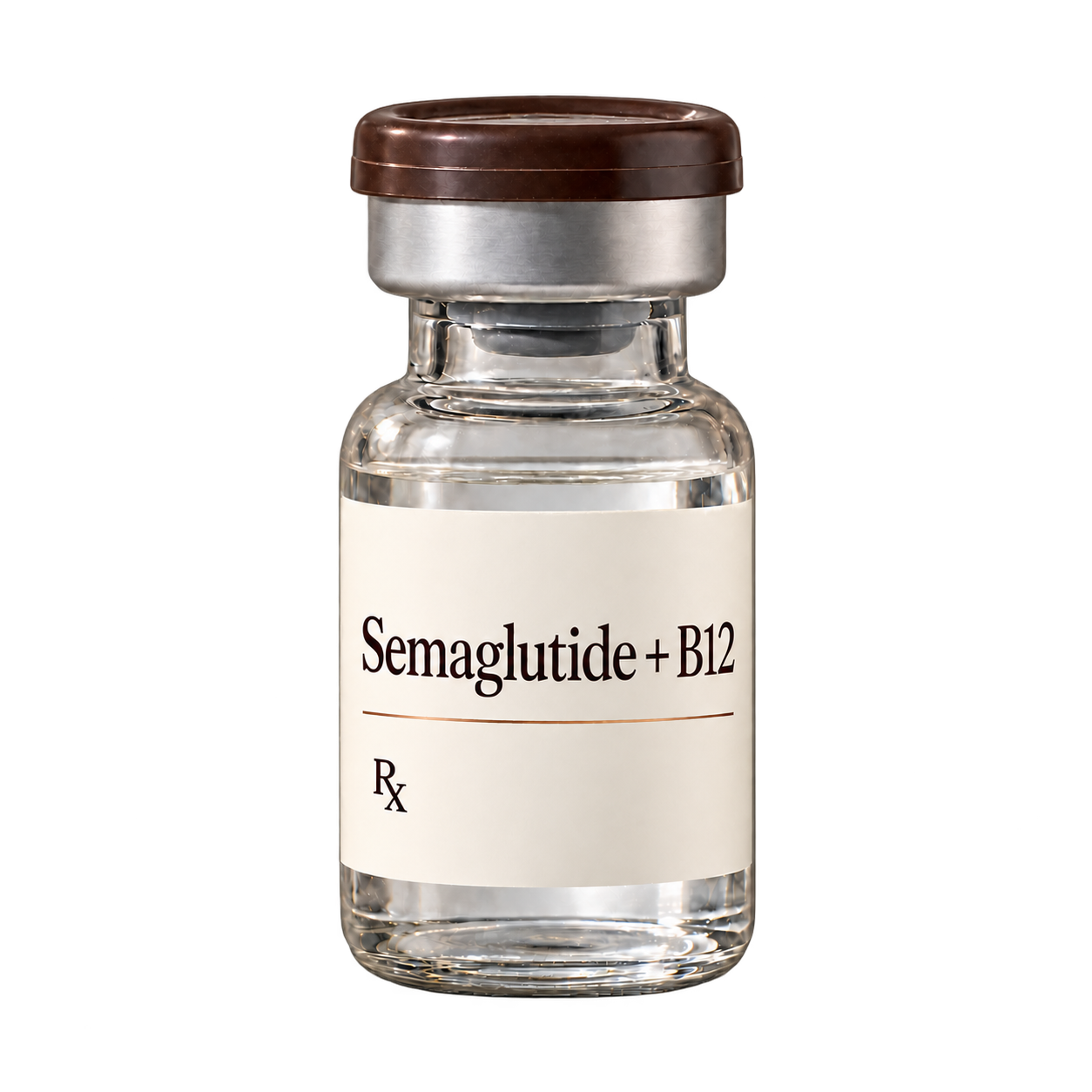
Ozempic (semaglutide) does not include a strict rule that you must avoid alcohol, but drinking can still be risky for some people. The main concerns are worse stomach side effects, low blood sugar (hypoglycemia) if you use certain diabetes medicines, and dehydration if vomiting or diarrhea occurs. This guide explains what is known from labeling about alcohol and semaglutide, what symptoms matter most, and when to get help. Vitals Vault can also help you order labs and organize results to share with a clinician.
- Ozempic and alcohol is not strictly forbidden, but it can increase side effect and safety risks.
- Alcohol can worsen nausea, vomiting, diarrhea, and dehydration while on semaglutide.
- Low blood sugar risk is higher if you also use insulin or sulfonylureas.
- Get urgent care for severe belly pain, repeated vomiting, fainting, or confusion.
Ozempic and alcohol: what to know
Stomach side effects can flare
Semaglutide commonly causes nausea, vomiting, diarrhea, abdominal pain, and constipation. Alcohol can irritate your stomach and make it harder to stay hydrated, which may make these effects feel worse.
Low blood sugar risk can rise
Ozempic can increase the risk of hypoglycemia when used with insulin secretagogues (such as sulfonylureas) or insulin. Alcohol can also contribute to hypoglycemia, so the combination can be higher risk if you take these medicines.
Some warning signs are urgent
Severe, persistent abdominal pain (with or without vomiting) can be a warning sign of pancreatitis. Ongoing vomiting or diarrhea can lead to dehydration and kidney problems, especially if you cannot keep fluids down.
How alcohol can affect you on semaglutide
Nausea and vomiting
Nausea is one of the most common side effects of Ozempic, and vomiting can also occur. Alcohol may worsen nausea and can increase the chance you become dehydrated if vomiting happens. If you have repeated vomiting or cannot keep fluids down, contact a clinician promptly.
Diarrhea or constipation
Diarrhea and constipation are both listed as common with Ozempic. Alcohol can worsen diarrhea for some people and can contribute to dehydration. If diarrhea is severe or persistent, or you notice dizziness or reduced urination, get medical advice.
Low blood sugar (hypoglycemia)
Ozempic labeling notes increased hypoglycemia risk when used with a sulfonylurea or with insulin. Alcohol can also lower blood sugar, especially if you drink without eating, so it is important to know your symptoms and your clinician's plan for monitoring.
Pancreatitis warning signs
Ozempic labeling warns about acute pancreatitis. Seek urgent evaluation for severe abdominal pain that does not go away, with or without vomiting. Alcohol use is also a pancreatitis risk factor, so discuss your history with a clinician.
Kidney problems from dehydration
Ozempic labeling warns that acute kidney injury has occurred, sometimes in people who had nausea, vomiting, diarrhea, or dehydration. Alcohol can add to dehydration risk. If you have vomiting or diarrhea and feel weak, lightheaded, or urinate much less, seek care.
Gallbladder problems
Ozempic labeling includes warnings for acute gallbladder disease. If you develop right upper belly pain, fever, yellowing of the skin or eyes, or clay-colored stools, contact a clinician promptly.
How long side effects can last after drinking
Same-day stomach upset
If alcohol triggers nausea, reflux, or vomiting, symptoms may last hours to a day depending on how much you drank, whether you ate, and your hydration. Semaglutide can slow stomach emptying, which may make stomach symptoms feel more noticeable for some people.
Next-day dehydration symptoms
Headache, dizziness, dry mouth, and reduced urination can happen if you are dehydrated from alcohol, vomiting, or diarrhea. Ozempic labeling warns about kidney injury in the setting of dehydration, so do not ignore these symptoms.
Low blood sugar can be delayed
Alcohol can contribute to hypoglycemia, and Ozempic labeling notes higher hypoglycemia risk when combined with insulin or sulfonylureas. If you have diabetes and drink, ask your clinician what timing and symptoms should prompt action.
Pancreatitis pain is not normal
Severe abdominal pain that does not go away, with or without vomiting, needs urgent evaluation. Ozempic labeling warns about acute pancreatitis and advises stopping the medication if pancreatitis is suspected.
Persistent symptoms need evaluation
If vomiting or diarrhea continues or you cannot keep fluids down, contact a clinician promptly. Ongoing symptoms can lead to dehydration and may require medical treatment.
When to talk to a clinician
You use insulin or sulfonylureas
Ask how alcohol changes your hypoglycemia risk and what monitoring plan is safest for you. Ozempic labeling specifically notes increased hypoglycemia risk when combined with these medicines.
You have pancreatitis history
Tell your clinician if you have had pancreatitis before. Ozempic labeling advises considering other therapies in people with a history of pancreatitis.
You have kidney disease
If you have chronic kidney disease or you have had dehydration episodes, discuss alcohol use and a plan for managing vomiting or diarrhea. Ozempic labeling warns about acute kidney injury in the setting of dehydration.
You notice gallbladder-type symptoms
Right upper belly pain, fever, jaundice, or pale stools can be signs of gallbladder disease. This needs prompt medical evaluation rather than self-management.
Symptoms are changing
If you are newly on semaglutide or your symptoms are worsening, check in before you drink again. A clinician can help you separate expected side effects from warning signs.
Practical pro tips
Do not drink on empty
Eating can reduce stomach irritation and help lower hypoglycemia risk.
Go slowly with changes
If you are early in treatment, side effects may be more noticeable.
Prioritize hydration
If vomiting or diarrhea occurs, contact a clinician early to avoid dehydration.
Know low sugar signs
Shakiness, sweating, confusion, and dizziness need prompt attention.
Do not ignore belly pain
Severe, persistent abdominal pain can be a pancreatitis warning sign.
Frequently Asked Questions
Can you drink on Ozempic?
Ozempic labeling does not explicitly forbid alcohol, but drinking can worsen nausea, vomiting, and diarrhea and can raise low blood sugar risk in people using insulin or sulfonylureas. Ask your clinician what is safest for your diabetes plan and symptoms.
Is semaglutide and alcohol a dangerous combination?
It can be higher risk if alcohol worsens GI side effects or if you are at risk for hypoglycemia, pancreatitis, dehydration, or kidney problems. Your risk depends on your other medicines and medical history, so discuss it with a clinician.
Why does alcohol and Ozempic make nausea worse?
Ozempic commonly causes nausea and other stomach side effects, and alcohol can irritate the stomach and contribute to dehydration. Together, this can make nausea or vomiting more likely or more intense for some people.
Is drinking on Ozempic more likely to cause low blood sugar?
Ozempic can increase hypoglycemia risk when used with insulin or sulfonylureas, and alcohol can also lower blood sugar. If you take these medicines, ask your clinician how to monitor and what symptoms should trigger urgent help.
Does drinking alcohol on Ozempic increase pancreatitis risk?
Ozempic labeling warns about acute pancreatitis and advises stopping the medication if pancreatitis is suspected. Alcohol use is also a pancreatitis risk factor, so if you develop severe persistent abdominal pain, seek medical evaluation.