
Wegovy and alcohol: can you drink safely?
Alcohol is not listed as a Wegovy interaction, but it can worsen nausea, vomiting, low blood sugar risk, and dehydration. Know when to call a clinician.
Key facts
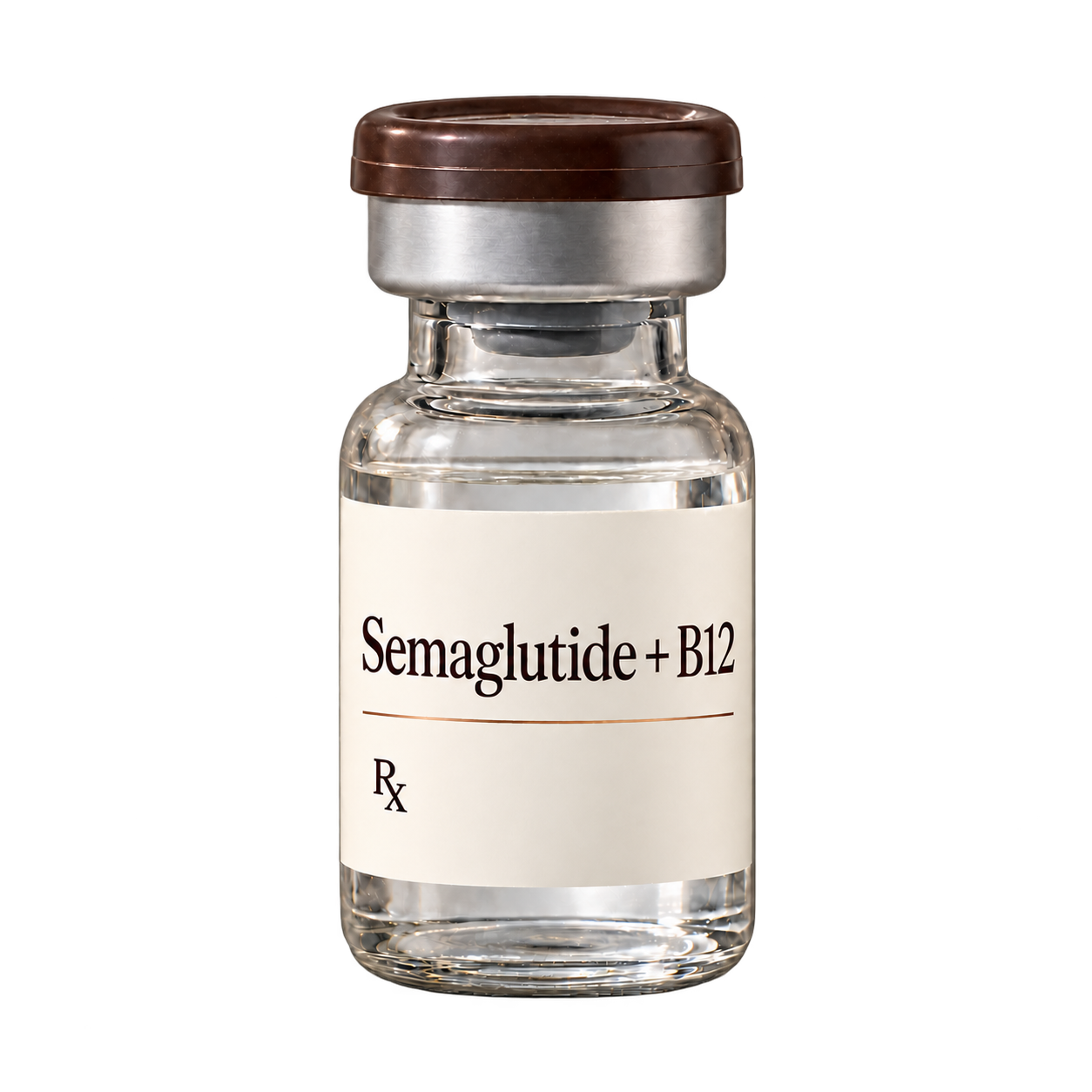
- Semaglutide + B12 is $157/month (billed $157 every 4 weeks), charged only after a clinician approves it.
- Answer a few health questions online. A licensed clinician reviews them. If approved, it ships to your door.
- Adults 18 or older. A licensed clinician reviews your health history and decides whether treatment is appropriate for you. Availability depends on the state you live in.





If you are wondering about wegovy and alcohol, the key issue is not a direct interaction, but how alcohol can amplify common Wegovy effects like nausea, vomiting, and reduced appetite. Alcohol can also make dehydration and low blood sugar more likely in some people. This guide explains what the Wegovy (semaglutide) label says, what risks to watch for, and when to call a clinician. Vitals Vault also includes options to check relevant labs and to ask PocketMD questions using your own health history.
- Wegovy and alcohol are not a listed drug interaction, but drinking can worsen side effects and risks.
- Alcohol can increase nausea, vomiting, and dehydration, which can be more likely on semaglutide.
- If you use insulin or a sulfonylurea, alcohol plus Wegovy can raise low blood sugar risk.
- Seek urgent care for severe belly pain, repeated vomiting, fainting, or signs of allergic reaction.
Can you drink alcohol on Wegovy?
No listed interaction
Wegovy prescribing information does not list alcohol as a contraindicated interaction. That does not mean alcohol is risk-free while on treatment, especially if you have side effects or other conditions.
Side effects can stack
Wegovy commonly causes gastrointestinal symptoms such as nausea, vomiting, diarrhea, constipation, and abdominal pain. Alcohol can irritate the stomach and worsen nausea, which can make it harder to tolerate treatment.
Your risk depends on context
Your overall risk depends on your dose stage, how you respond to Wegovy, your hydration status, and whether you take other diabetes medicines. If you have a history of pancreatitis, gallbladder disease, or kidney problems, discuss alcohol use with your clinician.
How alcohol can affect Wegovy side effects and risks
Nausea and vomiting
Nausea and vomiting are common with Wegovy, especially during dose increases. Alcohol can worsen nausea and can make vomiting more likely, which can lead to dehydration and difficulty keeping down fluids or food. The Wegovy label advises stopping the medicine and seeking medical attention if you cannot tolerate the dose because of side effects.
Diarrhea or constipation
Wegovy can cause diarrhea or constipation. Alcohol can worsen diarrhea in some people and can also contribute to dehydration, which may make constipation feel worse. If bowel changes are persistent or severe, it is worth checking in with a clinician.
Low blood sugar with other meds
Wegovy can increase the risk of low blood sugar (hypoglycemia) when used with insulin or insulin secretagogues such as sulfonylureas. Alcohol can also contribute to low blood sugar, especially if you drink without eating. If you take diabetes medicines, ask your prescriber how to monitor for hypoglycemia symptoms.
Pancreatitis warning
Acute pancreatitis has been reported with GLP-1 receptor agonists, including semaglutide. Alcohol use is also a known pancreatitis risk factor in general. Seek urgent evaluation for severe abdominal pain that may radiate to the back, with or without vomiting, as described in the Wegovy label.
Gallbladder problems
Wegovy is associated with acute gallbladder disease in labeling. Alcohol does not directly cause gallstones, but drinking can complicate nausea, abdominal discomfort, and hydration. Contact a clinician for right upper abdominal pain, fever, jaundice, or persistent nausea and vomiting.
Kidney injury from dehydration
The Wegovy label warns about acute kidney injury, sometimes in the setting of nausea, vomiting, diarrhea, or dehydration. Alcohol can worsen dehydration. If you cannot keep fluids down, have very dark urine, dizziness, or fainting, seek medical care promptly.
| If you notice | Why alcohol may matter | What to do next |
|---|---|---|
| More nausea than usual | Alcohol can irritate the stomach and worsen GI side effects listed for Wegovy | Pause drinking and contact your clinician if symptoms persist or you cannot tolerate the dose |
| Repeated vomiting or cannot keep fluids down | Higher dehydration risk, which is linked to kidney injury warnings on the label | Seek same-day medical advice; urgent care if severe or worsening |
| Shaky, sweaty, confused, or very weak | Possible low blood sugar, especially if you also use insulin or a sulfonylurea | Check in with your diabetes prescriber promptly; urgent care for severe symptoms |
| Severe belly pain (may go to back) | Could be pancreatitis, which is a labeled serious risk | Seek urgent evaluation as the label advises |
When to talk to a clinician or seek urgent care
Call your clinician soon
Contact your clinician if alcohol reliably triggers nausea, vomiting, or diarrhea on Wegovy, or if you are skipping meals because of reduced appetite. Also check in if you have frequent heartburn, persistent abdominal pain, or signs of dehydration.
Get urgent evaluation
Seek urgent care for severe abdominal pain (with or without vomiting), repeated vomiting with inability to keep fluids down, fainting, confusion, or signs of a serious allergic reaction such as swelling of the face, lips, tongue, or throat.
If you have diabetes medications
If you use insulin or a sulfonylurea, ask your prescriber about hypoglycemia risk and how to monitor. The Wegovy label specifically notes increased hypoglycemia risk when combined with these medicines.
If you have liver concerns
Alcohol can affect liver health, and some people want baseline labs before changing drinking habits. A clinician can help interpret liver tests and decide whether additional evaluation is needed.
Practical tips if you choose to drink
Avoid drinking on bad GI days
If you are already nauseated or constipated, alcohol may worsen symptoms.
Prioritize hydration
Dehydration is a key concern when Wegovy causes vomiting or diarrhea.
Do not drink on an empty stomach
Reduced appetite plus alcohol can increase lightheadedness and low blood sugar risk.
Be cautious after dose increases
GI side effects are often more noticeable during dose escalation.
Know your red flags
Severe belly pain, repeated vomiting, or fainting should not be watched at home.
Frequently Asked Questions
Can you drink alcohol while taking Wegovy?
Alcohol is not listed as a direct interaction in Wegovy prescribing information. Still, alcohol can worsen common side effects like nausea and vomiting and can increase dehydration risk. If you take insulin or a sulfonylurea, ask your clinician about low blood sugar risk.
Can you drink alcohol on Wegovy?
Some people can drink, but tolerance varies and alcohol may make Wegovy side effects harder to manage. If drinking triggers repeated vomiting, severe abdominal pain, or fainting, seek medical care promptly. Discuss your personal risk factors with your prescriber.
Is alcohol and Wegovy a dangerous combination?
It can be risky if alcohol worsens vomiting or diarrhea, because dehydration is linked to kidney injury warnings in the Wegovy label. It may also raise hypoglycemia risk if you use insulin or sulfonylureas. A clinician can help you weigh your risks.
Does drinking alcohol increase pancreatitis risk on Wegovy?
The Wegovy label warns about acute pancreatitis and advises urgent evaluation for severe abdominal pain that may radiate to the back. Alcohol is also a general pancreatitis risk factor. If you have a history of pancreatitis, discuss alcohol use and GLP-1 therapy with a clinician.
What labs can help if I am worried about alcohol while on semaglutide?
A liver function panel can help check for patterns that may need follow-up, especially if you have symptoms or heavy alcohol use. Labs do not diagnose the cause by themselves, so results should be reviewed with a clinician. Vitals Vault lets you order labs and share results for guidance.