
Sermorelin peptide: what it is and safety
Sermorelin peptide is a prescription peptide sometimes used to stimulate growth hormone release. Many uses are off-label, so review safety first.
Key facts
- Sermorelin Injection is $219/month (billed $219 every 30 days), charged only after a clinician approves it.
- Answer a few health questions online. A licensed clinician reviews them. If approved, it ships to your door.
- Adults 18 or older. A licensed clinician reviews your health history and decides whether treatment is appropriate for you. Availability depends on the state you live in.


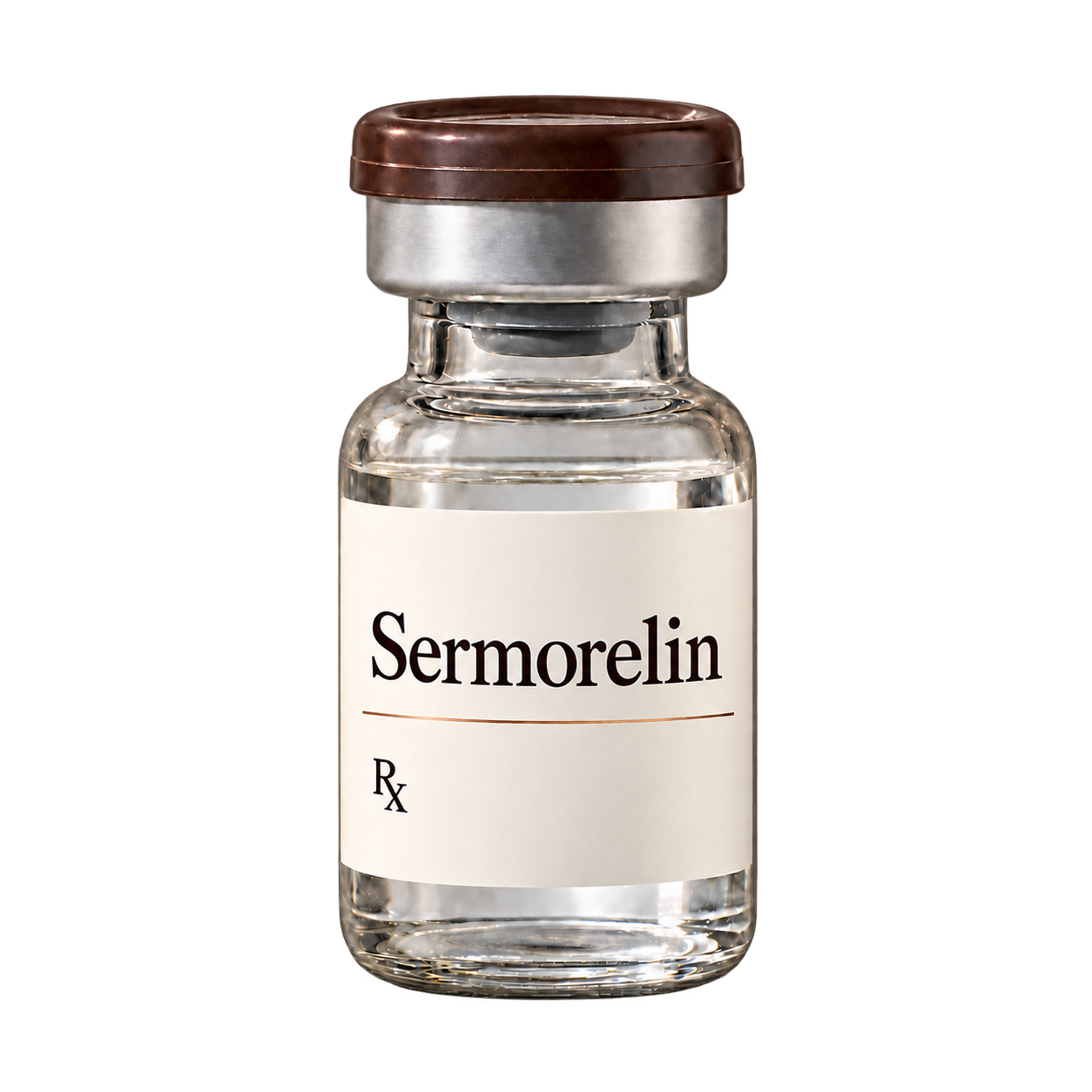
Sermorelin peptide is a lab-made version of a natural hormone fragment (growth hormone releasing hormone) that can stimulate your pituitary gland to release growth hormone. People often ask about sermorelin for energy, body composition, sleep, and “anti-aging,” but the evidence and regulatory status depend on the exact product and use. This page explains what sermorelin peptide is, what is known about how it works, and what to discuss with a clinician before considering it.
- Sermorelin peptide is a prescription peptide sometimes used to stimulate growth hormone release.
- In the US, sermorelin is often provided as a compounded medication, which is not FDA-approved.
- Evidence is strongest for specific diagnostic uses; many wellness uses are off-label with limited data.
- Side effects can include injection-site reactions and headache; discuss risks based on your history.
What is sermorelin peptide?
What it is
Sermorelin is a synthetic peptide related to growth hormone releasing hormone (GHRH). It is designed to stimulate the pituitary gland to release growth hormone, which then influences insulin-like growth factor 1 (IGF-1) production in the body.
Why people use it
Sermorelin is discussed for symptoms people associate with low growth hormone, such as low energy or changes in body composition. Many of these “wellness” uses are off-label, meaning they are not FDA-approved indications.
Why formulation matters
In the US, sermorelin is commonly obtained through compounding pharmacies. Compounded medications are prepared for an individual prescription and are not FDA-approved, so quality and directions depend on the prescriber and dispensing pharmacy.
Details that matter before you consider it
How it works in plain terms
Sermorelin acts upstream of growth hormone by signaling the pituitary to release growth hormone. Growth hormone then affects downstream markers such as IGF-1, which is often used as a lab marker when clinicians evaluate the growth hormone axis.
What the evidence supports
Historically, sermorelin has been studied as a diagnostic aid for evaluating growth hormone secretion in children, and as a therapy in some pediatric contexts. Evidence for adult “anti-aging” outcomes is more limited and should be framed as uncertain.
Common side effects discussed
Reported side effects in studies and clinical use include injection-site reactions (such as redness or swelling), headache, flushing, nausea, dizziness, and sleepiness. Your risk depends on the dose, route, and your medical history.
Serious reactions to watch for
Any signs of a severe allergic reaction, such as trouble breathing, swelling of the face or throat, or widespread hives, need urgent medical attention. Because compounded products vary, ask your clinician and pharmacy what to do if you suspect a reaction.
What “reviews” can miss
Online sermorelin peptide reviews often mix different products, doses, and goals, and may not reflect safety screening or lab monitoring. A more useful approach is to review your symptoms, medications, and relevant labs with a licensed clinician.
What to ask about dosing
If you see searches for “sermorelin peptide dosage,” treat them as a prompt to ask your clinician how dosing is individualized and monitored. Do not use online dosing advice, especially with compounded products where concentrations and instructions can differ.
When to talk to a clinician first
You have endocrine conditions
If you have a history of pituitary disease, prior brain radiation, thyroid disease, diabetes, or unexplained changes in weight or energy, you should be evaluated before considering a growth hormone axis peptide. These conditions can change how symptoms should be interpreted and monitored.
You are pregnant or breastfeeding
If you are pregnant, trying to conceive, or breastfeeding, ask a clinician before using sermorelin. Safety data for many compounded peptide uses in these settings is limited.
You have cancer history or concerns
Because growth hormone and IGF-1 pathways relate to growth signaling, discuss any personal cancer history or active cancer evaluation with a clinician before considering therapies intended to influence this axis.
You take multiple medications
Bring a complete medication and supplement list. A clinician can help you avoid unsafe combinations and can decide whether labs are needed before prescribing.
You develop urgent symptoms
Seek urgent care for severe allergic symptoms, chest pain, fainting, severe shortness of breath, or sudden neurologic symptoms. Do not rely on an online plan or app for emergencies.
Practical tips for safer decision-making
Define your goal
Ask what outcome you are targeting and how it will be measured.
Ask what labs matter
Clarify which baseline labs are needed and how often they are rechecked.
Confirm the source
Use a licensed pharmacy and verify the product and instructions you receive.
Separate hype from evidence
Treat dramatic claims and “before and after” posts as marketing, not proof.
Plan follow-up
Choose a plan with clinician check-ins to review symptoms and labs.
Frequently Asked Questions
What is sermorelin peptide used for?
Sermorelin is designed to stimulate the pituitary gland to release growth hormone. Some uses have been studied in pediatric evaluation of growth hormone secretion, while many adult wellness uses are off-label and have limited evidence. Discuss goals and monitoring with a clinician.
What is peptide sermorelin, and is it the same as sermorelin?
“Peptide sermorelin” is another way of saying sermorelin, because it is a peptide (a short chain of amino acids). The key practical difference is the product source: many sermorelin products are compounded, which affects regulation and instructions.
Is there a standard sermorelin peptide dosage?
There is not one standard sermorelin peptide dosage that is appropriate for everyone, especially with compounded products that can vary in concentration and directions. A clinician individualizes dosing based on your history, goals, and monitoring plan.
Can I trust sermorelin peptide reviews online?
Be cautious with sermorelin peptide reviews because they often do not specify the exact formulation, screening, or lab monitoring. Reviews also cannot account for your medical history or medication interactions. Use them as questions to bring to a clinician, not as proof.
Where can I buy sermorelin peptide safely?
Sermorelin is a prescription medication, so the safest route is clinician evaluation and a licensed pharmacy. If you see “sermorelin peptide buy” or “for sale” listings, confirm that a licensed clinician is involved and that the product is dispensed by a licensed pharmacy.