
Semaglutide nausea: what it means and what helps
Semaglutide nausea is common, especially after starting or dose increases. See practical relief steps, red flags, and when to call a clinician.
Key facts
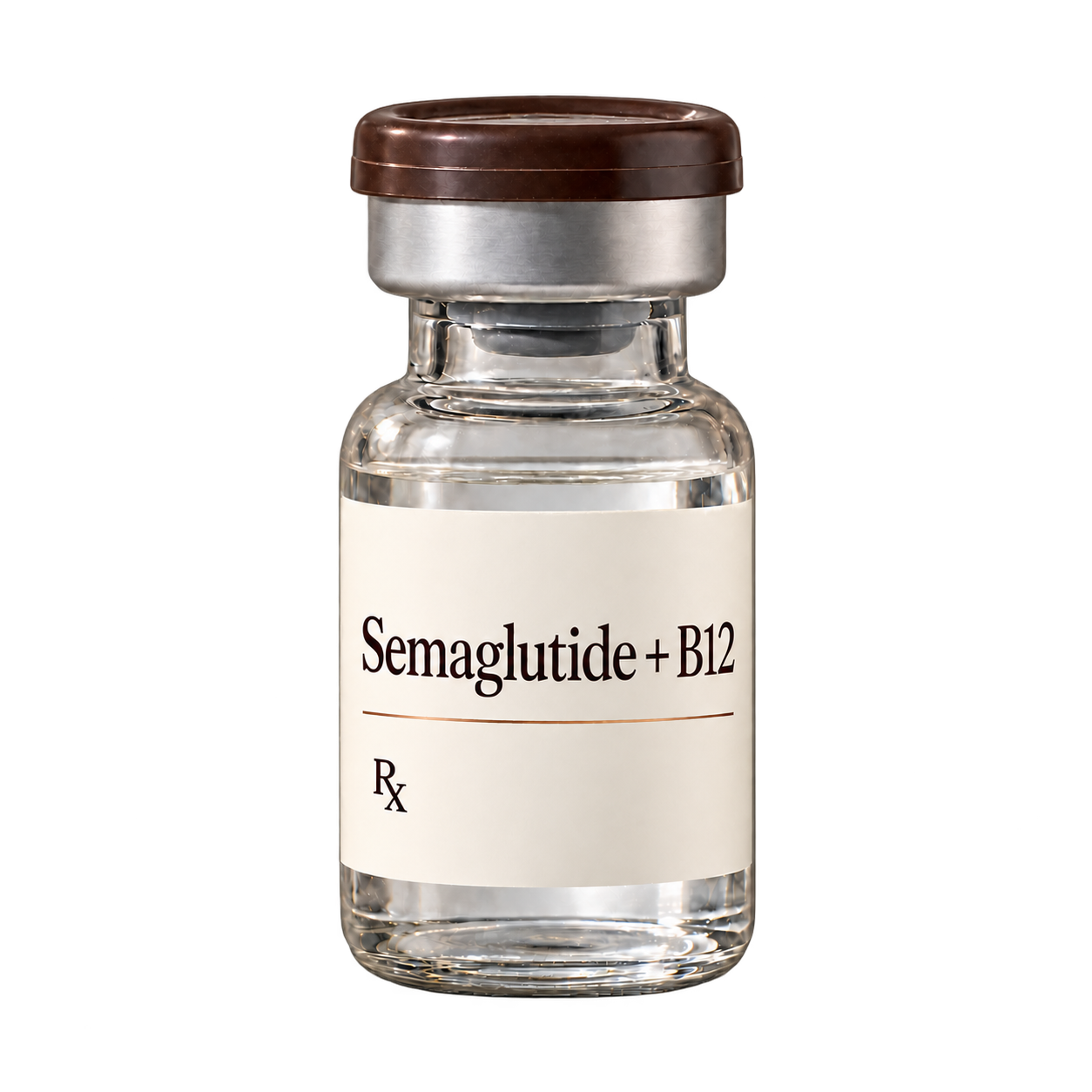
- Semaglutide + B12 is $157/month (billed $157 every 4 weeks), charged only after a clinician approves it.
- Answer a few health questions online. A licensed clinician reviews them. If approved, it ships to your door.
- Adults 18 or older. A licensed clinician reviews your health history and decides whether treatment is appropriate for you. Availability depends on the state you live in.





Semaglutide nausea is one of the most common reasons people struggle when starting a GLP-1 medicine or increasing the dose. In many cases it is temporary and improves as your body adjusts, but it can also signal dehydration or, rarely, a more serious problem. This guide explains why nausea can happen with semaglutide, what usually helps, and which symptoms mean you should contact a clinician urgently. If you want to check for dehydration or kidney stress, Vitals Vault can help you start with labs and share results with a clinician.
- Semaglutide nausea is a common side effect, often around starting or dose increases.
- Smaller meals, slower eating, and avoiding high-fat foods can help some people.
- Persistent vomiting or dehydration symptoms can be serious and need prompt medical advice.
- Severe belly pain with vomiting can be a red flag for pancreatitis or gallbladder disease.
Is nausea normal with semaglutide?
Why it happens
Semaglutide is a GLP-1 receptor agonist. This class can slow stomach emptying and reduce appetite, which can make you feel full sooner and sometimes trigger nausea, especially with larger or higher-fat meals.
When it tends to show up
Many people notice nausea early in treatment and around dose escalation. If nausea is new after you have been stable for a while, it is worth checking for other triggers like illness, dehydration, or medication interactions.
When it is not just a nuisance
Repeated vomiting, inability to keep fluids down, or symptoms of dehydration can become medically important. Severe abdominal pain with nausea or vomiting can be a warning sign that needs urgent evaluation.
What helps semaglutide nausea, and what to watch for
Eat smaller, simpler meals
Try smaller portions and stop eating when you feel comfortably full. High-fat meals can worsen nausea for some people on GLP-1 medicines because they already slow digestion. If nausea is frequent, ask your clinician whether your eating pattern or dose schedule should be reassessed.
Slow down and sip fluids
Eating slowly and sipping fluids can help you avoid feeling overly full. If you are vomiting or cannot keep fluids down, dehydration can develop and may worsen kidney problems, so contact a clinician promptly for guidance.
Constipation can worsen nausea
Constipation is also common with semaglutide and can make nausea feel worse. If you have fewer bowel movements, abdominal bloating, or discomfort, ask a clinician about safe constipation strategies for you rather than self-treating aggressively.
Low blood sugar (with certain meds)
Semaglutide can increase the risk of low blood sugar when used with insulin or insulin secretagogues such as sulfonylureas. Low blood sugar can cause nausea along with sweating, shakiness, confusion, or dizziness. If you have these symptoms, follow your clinician’s hypoglycemia plan and seek help if severe.
Pancreatitis warning signs
Severe and persistent abdominal pain, sometimes radiating to the back, with or without vomiting can be a warning sign for pancreatitis. This is a medical emergency. Seek urgent care and tell the treating team you are using a GLP-1 medicine.
Gallbladder problems
GLP-1 medicines, including semaglutide, are associated with gallbladder disease in labeling. Right upper abdominal pain, fever, yellowing of skin or eyes, or persistent nausea and vomiting should be evaluated promptly.
- Class
- GLP-1 receptor agonist (slows gastric emptying and reduces appetite).
- Nausea in labeling
- Listed among common gastrointestinal adverse reactions for semaglutide products.
- Serious risks to rule out
- Pancreatitis, gallbladder disease, dehydration with acute kidney injury, and hypoglycemia when combined with insulin or sulfonylureas.
- Compounded note
- Compounded semaglutide is not FDA-approved, and side effect risks still apply.
When to call a clinician or seek urgent care
Call soon (same day)
Call a clinician if nausea is persistent, worsening, or interfering with hydration or nutrition, or if you are vomiting repeatedly. Also call if nausea starts suddenly after a period of stability, since another illness or medication issue may be involved.
Seek urgent care now
Seek urgent care for severe abdominal pain (especially if it does not go away), abdominal pain with vomiting, fainting, confusion, or signs of dehydration such as very little urination. These can be warning signs for pancreatitis, gallbladder disease, or kidney injury.
If you use insulin or sulfonylureas
If nausea comes with shakiness, sweating, fast heartbeat, dizziness, or confusion, consider low blood sugar as a possible cause. Follow your clinician’s plan for hypoglycemia and get emergency help if symptoms are severe or you cannot safely treat yourself.
Practical pro tips
Keep a simple trigger log
Note meals, timing, and symptoms to spot patterns.
Avoid large, high-fat meals
They can feel heavier when stomach emptying is slower.
Prioritize hydration
Small sips often work better than large volumes.
Ask before adding remedies
Some nausea medicines interact with other conditions or meds.
Frequently Asked Questions
How long does semaglutide nausea last?
Nausea is commonly reported early in treatment and around dose increases, and it may improve as your body adjusts. If nausea is persistent, worsening, or prevents you from staying hydrated, contact a clinician to reassess causes and next steps.
What can I eat if semaglutide nausea is bad?
Many people tolerate smaller, lower-fat meals better while on semaglutide, since the medicine slows stomach emptying. If you cannot keep fluids down or you are losing the ability to eat for more than a short period, contact a clinician promptly.
When is nausea on semaglutide an emergency?
Seek urgent care for severe, persistent abdominal pain (with or without vomiting), repeated vomiting with dehydration symptoms, or confusion or fainting. These can be warning signs for pancreatitis, gallbladder disease, or kidney injury and need prompt evaluation.
Can semaglutide nausea be a sign of pancreatitis?
Nausea alone is common, but severe and persistent abdominal pain, sometimes radiating to the back, with or without vomiting is a key warning sign for pancreatitis in semaglutide labeling. If this happens, seek urgent care and tell the treating team you use a GLP-1 medicine.
Does compounded semaglutide change nausea risk?
Compounded semaglutide is not FDA-approved, but nausea and other GLP-1 related side effects can still occur because the active ingredient has similar effects. Your prescribing clinician and dispensing pharmacy are the best sources for product specific counseling and what to do if symptoms persist.