
Ozempic nausea relief: what helps and when to call
Ozempic nausea relief: it is common and often improves over time. Try smaller meals, avoid greasy foods, and call a clinician for severe symptoms.
Key facts
- Semaglutide + B12 is $157/month (billed $157 every 4 weeks), charged only after a clinician approves it.
- Answer a few health questions online. A licensed clinician reviews them. If approved, it ships to your door.
- Adults 18 or older. A licensed clinician reviews your health history and decides whether treatment is appropriate for you. Availability depends on the state you live in.





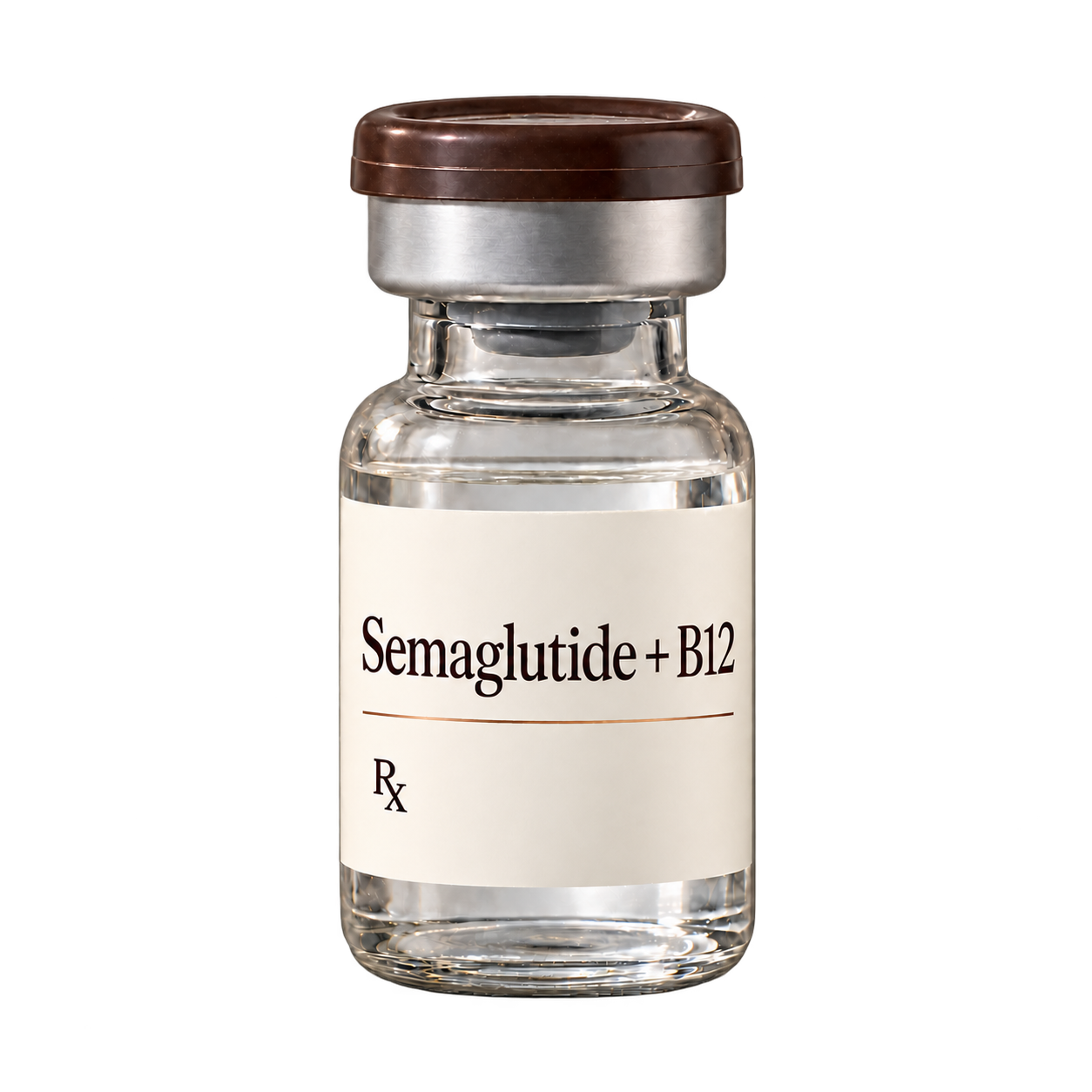
If you are looking for ozempic nausea relief, start with simple changes that reduce stomach strain: smaller meals, bland foods, and avoiding greasy or very sweet foods. Nausea is one of the most common side effects of semaglutide, the active ingredient in Ozempic. This guide explains what tends to help, what can signal something more serious, and when to call a clinician. Vitals Vault also includes lab options you can share with a clinician when nausea is ongoing or you are worried about dehydration or kidney stress.
- Ozempic nausea relief usually starts with smaller meals, slower eating, and avoiding high fat foods.
- Nausea is a common semaglutide side effect and may lessen as your body adjusts.
- Seek urgent care for severe belly pain, repeated vomiting, or dehydration symptoms.
- If nausea is persistent, a clinician can review timing, triggers, and safety concerns.
Ozempic nausea relief: what helps most
What to try, what to avoid, and what it could mean
Smaller, lower fat meals
Semaglutide slows stomach emptying, which can make large or high fat meals sit longer and worsen nausea. Many people do better with smaller portions, bland foods, and avoiding greasy or fried meals. If nausea flares after certain foods, keep a simple trigger list to review with your clinician.
Eat slowly and stop early
Feeling full sooner is expected with GLP-1 medicines, and pushing past fullness can trigger nausea. Try slowing down, pausing mid meal, and stopping when you first feel satisfied. If nausea is tied to overeating, this is often one of the fastest fixes.
Hydration matters
Vomiting or poor intake can lead to dehydration, which can worsen nausea and can stress your kidneys. Sip fluids throughout the day if you are able to keep liquids down. If you cannot keep fluids down or you are urinating much less than usual, contact a clinician promptly.
Low blood sugar risk (with some meds)
Semaglutide can increase the risk of low blood sugar when used with insulin or insulin secretagogues such as sulfonylureas. Low blood sugar can cause nausea, sweating, shakiness, and confusion. If you take diabetes medicines, ask your prescriber what symptoms should prompt a same day call.
Pancreatitis warning signs
Severe abdominal pain that may radiate to your back, with or without vomiting, can be a warning sign of pancreatitis. This is a labeled serious risk with GLP-1 receptor agonists including semaglutide. Seek urgent evaluation for severe, persistent belly pain.
Gallbladder problems
Semaglutide labeling warns about acute gallbladder disease. Right upper belly pain, fever, yellowing of skin or eyes, or persistent nausea and vomiting should be evaluated. A clinician may check labs or imaging depending on symptoms.
When to call a clinician or seek urgent care
Call urgently for severe belly pain
Get urgent evaluation for severe, persistent abdominal pain, especially if it spreads to your back or comes with repeated vomiting. These can be warning signs of pancreatitis or gallbladder disease, which are listed in semaglutide labeling.
Call same day for dehydration signs
If you cannot keep fluids down, are urinating much less, feel faint, or have ongoing vomiting or diarrhea, contact a clinician the same day. Dehydration can worsen kidney function and may need prompt treatment.
Discuss persistent nausea
If nausea is frequent, interferes with eating, or does not improve, a clinician can review triggers, other medicines, and whether symptoms suggest reflux, gastritis, or another cause. They can also review safety risks and decide what monitoring is appropriate.
Report possible allergic reaction
Seek emergency care for trouble breathing, swelling of the face or throat, or widespread rash. Serious hypersensitivity reactions are listed in semaglutide labeling.
Practical tips for day to day nausea
Keep meals simple
Choose bland, lower fat foods during flares and reintroduce richer foods slowly.
Avoid large late meals
A heavy meal close to bedtime can worsen nausea and reflux symptoms.
Track patterns
Note what you ate, timing, and symptoms to share with your clinician.
Review other meds
Some medicines and supplements can worsen nausea or irritate the stomach.
Ask about safety checks
If vomiting is ongoing, ask whether labs to assess hydration and kidneys make sense.
Frequently Asked Questions
What is the best ozempic nausea relief to try first?
Start with smaller meals, slower eating, and choosing lower fat foods, since semaglutide can slow stomach emptying. If you are vomiting, focus on hydration and contact a clinician if you cannot keep fluids down.
Is nausea a common side effect of Ozempic (semaglutide)?
Yes. Nausea is listed as a common adverse reaction in the Ozempic prescribing information. It often happens early in treatment or after dose increases and may improve as your body adjusts.
When is nausea on Ozempic an emergency?
Seek urgent care for severe, persistent abdominal pain (especially if it radiates to your back), repeated vomiting, or signs of dehydration like dizziness or very low urine output. These symptoms can be associated with serious risks listed in semaglutide labeling.
Can Ozempic nausea be a sign of pancreatitis or gallbladder problems?
It can be, especially when nausea comes with severe abdominal pain. Semaglutide labeling includes warnings for pancreatitis and acute gallbladder disease. A clinician can evaluate symptoms and decide if testing is needed.
If I use compounded semaglutide, is nausea handled the same way?
The symptom approach is similar, but safety decisions should be individualized with your prescriber. Vitals Vault offers Semaglutide (compounded, injectable) as a compounded medication, not Ozempic, and compounded medications are not FDA-approved.