
Ozempic nausea: causes, what helps, when to worry
Ozempic nausea is common, especially after starting or dose increases. Small meals and hydration may help. Get care for severe or persistent vomiting.
Key facts
- Semaglutide + B12 is $157/month (billed $157 every 4 weeks), charged only after a clinician approves it.
- Answer a few health questions online. A licensed clinician reviews them. If approved, it ships to your door.
- Adults 18 or older. A licensed clinician reviews your health history and decides whether treatment is appropriate for you. Availability depends on the state you live in.


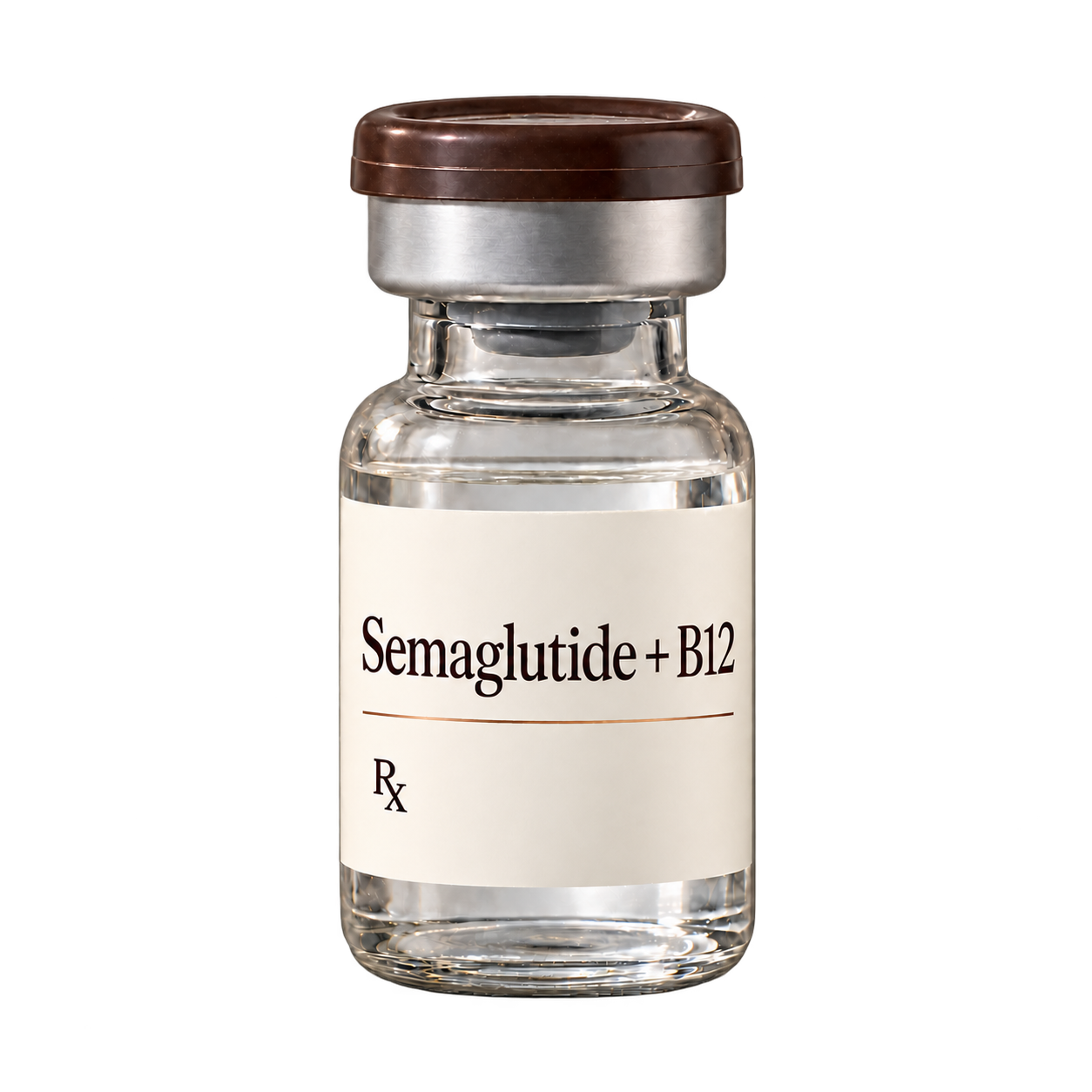
Ozempic nausea is a common side effect of semaglutide, and some people also have vomiting. It is often most noticeable when you first start treatment or after a dose increase, and it may improve as your body adjusts. This guide explains what the label says, what can help you cope, and when nausea or vomiting could signal something more serious. If you want to check for dehydration or kidney stress, Vitals Vault can help you start with labs and share results with a clinician.
- Ozempic nausea is common, and vomiting can happen too.
- Symptoms are more likely when starting semaglutide or after dose increases.
- Small meals, slower eating, and hydration may help nausea settle.
- Seek urgent care for severe belly pain, dehydration signs, or blood in vomit.
Answer: does Ozempic cause nausea or vomiting?
Nausea
Nausea is among the most frequently reported gastrointestinal side effects with semaglutide. It is thought to relate to GLP-1 effects on appetite and stomach emptying. For many people, symptoms lessen as they continue treatment.
Vomiting
Vomiting is also listed among common gastrointestinal side effects. It can happen with nausea, decreased appetite, or abdominal discomfort. Repeated vomiting increases dehydration risk, which can become medically serious.
When it may be more serious
Sometimes nausea or vomiting can be a sign of a complication such as pancreatitis, gallbladder disease, or kidney problems related to dehydration. Severe abdominal pain, fever, yellowing of the skin or eyes, or very low urine output are reasons to seek urgent evaluation.
Why it happens and what can help
Slower stomach emptying
Semaglutide is a GLP-1 receptor agonist. GLP-1 medicines can slow gastric emptying, which can make you feel full sooner and longer. That same effect can contribute to nausea, especially with large meals or eating quickly.
Dose changes can trigger symptoms
Gastrointestinal side effects are commonly reported during dose escalation. If symptoms flare after a dose increase, check in with your prescribing clinician about tolerability. Do not change your dose on your own.
Food choices can make a difference
Many people notice worse nausea after large meals or high fat foods. Smaller portions and simpler foods can be easier to tolerate while symptoms are active. If you are vomiting, focus on fluids and get medical advice if you cannot keep liquids down.
Dehydration and kidney risk
Vomiting and reduced intake can lead to dehydration. The Ozempic label describes reports of acute kidney injury, sometimes in the setting of nausea, vomiting, diarrhea, or dehydration. Signs like dizziness, dry mouth, and urinating much less than usual should prompt medical advice.
Red-flag symptom patterns
Nausea alone is often manageable, but certain patterns need prompt evaluation. Severe, persistent abdominal pain with nausea or vomiting can suggest pancreatitis, and right upper abdominal pain with nausea can suggest gallbladder disease. Seek urgent evaluation for severe pain or rapidly worsening symptoms.
Oral medicines and absorption
Because semaglutide slows gastric emptying, it can affect how quickly some oral medicines are absorbed. If you take medicines where timing matters, ask your clinician or pharmacist what to do if nausea or vomiting interferes with taking them. Get help promptly if you cannot keep essential medicines down.
| What you notice | More likely explanation | What to do next |
|---|---|---|
| Mild nausea early in treatment or after a dose increase | Common GLP-1 gastrointestinal effect | Use diet strategies and monitor; message your clinician if it persists. |
| Vomiting or trouble keeping fluids down | Side effect with dehydration risk | Contact a clinician promptly; consider urgent care if worsening. |
| Severe, persistent belly pain with nausea or vomiting | Possible pancreatitis (serious) | Seek urgent evaluation right away. |
| Right upper belly pain, fever, or yellow skin or eyes | Possible gallbladder problem (serious) | Seek urgent evaluation. |
| Very low urine output, dizziness, fainting | Possible dehydration or kidney stress (serious) | Seek urgent evaluation, especially if you cannot hydrate. |
How long does nausea last?
Often worst early on
In clinical studies and postmarketing experience, nausea and vomiting are commonly reported gastrointestinal side effects with semaglutide. Many people find symptoms are most noticeable when starting or increasing the dose. Some improve as they adjust, while others need a clinician-guided plan for tolerability.
Flares can follow dose increases
If nausea returns after a dose increase, it may reflect your body adjusting to a higher exposure. Tracking timing, meals, and hydration can help you and your clinician spot patterns. Persistent vomiting should be treated as urgent.
Ongoing symptoms need evaluation
Long-lasting nausea or vomiting is not something to push through without help. It can lead to dehydration and kidney injury, and it can also mask conditions like gallbladder disease or pancreatitis. A clinician can help decide what evaluation is appropriate.
When to call a clinician or seek urgent care
Call promptly for persistent vomiting
If you are vomiting repeatedly, cannot keep fluids down, or are getting lightheaded, contact a clinician promptly. Dehydration can worsen quickly and may affect kidney function. If you feel faint or confused, seek urgent care.
Seek urgent care for severe belly pain
Severe and persistent abdominal pain with nausea or vomiting can be a sign of pancreatitis. The Ozempic label warns about pancreatitis and advises discontinuing if it is suspected and evaluating promptly. Seek urgent evaluation rather than waiting it out.
Get evaluated for gallbladder symptoms
Right upper abdominal pain, fever, nausea after fatty meals, or yellowing of the skin or eyes can suggest gallbladder disease. Semaglutide labeling includes warnings about acute gallbladder disease. Seek evaluation, especially if symptoms are intense or worsening.
Watch for dehydration and kidney warning signs
Very low urine output, dark urine, extreme thirst, or weakness can signal dehydration. The Ozempic label describes reports of acute kidney injury, sometimes in the setting of nausea, vomiting, diarrhea, or dehydration. Seek care if you cannot rehydrate or symptoms are severe.
Discuss your history and medicines
Tell your clinician if you have a history of pancreatitis, gallbladder disease, or kidney disease. Also share all medicines and supplements you take, since vomiting can interfere with keeping essential medications down. Your clinician can help weigh risks and benefits for you.
Practical tips to reduce nausea
Eat smaller, slower meals
Stop before you feel overly full, and avoid large portions.
Choose lower-fat, bland foods
High fat meals can worsen nausea for some people.
Sip fluids regularly
Small, frequent sips can be easier than large drinks.
Avoid lying down after eating
Staying upright after meals may reduce queasiness.
Track triggers and patterns
Note timing, foods, and dose changes to share with your clinician.
Ask about anti-nausea options
A clinician can decide if supportive medicines are appropriate.
Frequently Asked Questions
Does Ozempic make you throw up?
It can. Vomiting is listed as a common side effect of Ozempic (semaglutide), especially when starting treatment or after dose increases. Persistent vomiting or inability to keep fluids down needs prompt medical advice because dehydration can become serious.
Is ozempic vomiting dangerous?
It can be, especially if it leads to dehydration, dizziness, or very low urine output. The Ozempic label describes reports of acute kidney injury in the setting of nausea, vomiting, diarrhea, or dehydration. Vomiting with severe belly pain needs urgent evaluation.
What should I do if I am vomiting on Ozempic?
If you cannot keep fluids down, are getting lightheaded, or symptoms are worsening, contact a clinician promptly or seek urgent care. Track when vomiting happens and what you ate so you can share a clear pattern. Do not change your dose without clinician guidance.
Can Ozempic nausea be a sign of pancreatitis or gallbladder problems?
Sometimes. Semaglutide labeling warns about pancreatitis and acute gallbladder disease, which can include nausea and vomiting along with significant abdominal pain. Severe or persistent belly pain, fever, or yellowing of the skin or eyes should be evaluated urgently.
Does compounded semaglutide cause nausea too?
It can, because nausea and vomiting are known effects of semaglutide. Compounded medications are prepared by a licensed pharmacy for an individual prescription and are not FDA-approved. A clinician can help you weigh tolerability and safety based on your history.