
Semaglutide dosage: how weekly dosing works
Semaglutide dosage is typically increased gradually on a weekly schedule to improve tolerability. Your prescriber sets your dose and adjusts it over time.
Key facts
- Semaglutide + B12 is $157/month (billed $157 every 4 weeks), charged only after a clinician approves it.
- Answer a few health questions online. A licensed clinician reviews them. If approved, it ships to your door.
- Adults 18 or older. A licensed clinician reviews your health history and decides whether treatment is appropriate for you. Availability depends on the state you live in.


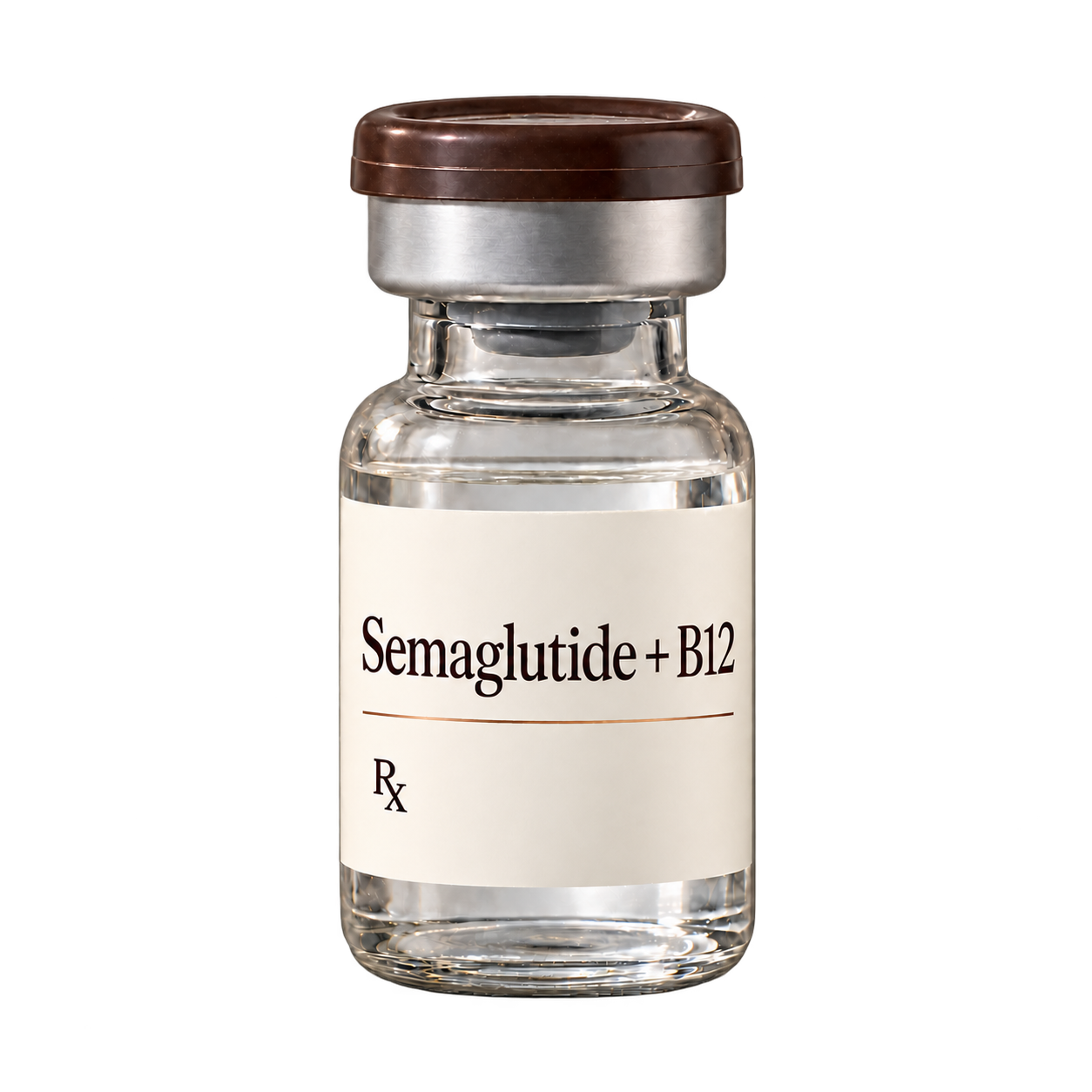
Semaglutide dosage is not one single number. In FDA approved products, dosing is typically increased gradually over several weeks to help your body tolerate common side effects like nausea. This page explains label based dosing concepts and missed dose rules, plus why “semaglutide dosage in units” can be confusing. Vitals Vault also offers PocketMD, where you can ask dosing questions in the context of your own health history.
- Semaglutide dosage is usually started low and increased stepwise to reduce stomach side effects.
- Different semaglutide products have different target doses and schedules, so you cannot swap doses 1 to 1.
- If you miss a weekly dose, the label gives specific timing rules for when to take it or skip it.
- “Units” depend on the pen or syringe concentration, so only your prescriber or pharmacy can convert safely.
Answer: what semaglutide dosage means
Weekly, not daily
FDA approved semaglutide injections are taken once weekly, on the same day each week. This does not mean you should change your schedule on your own. If you need to change the day, the label includes spacing rules to reduce dosing too close together.
Dose increases are intentional
The label uses a gradual dose escalation schedule so your body can adjust. Many people notice the most stomach related side effects during dose increases. Clinicians may delay an increase if side effects are hard to manage.
Product matters
Semaglutide is sold in different FDA approved products with different dose schedules and maximum doses. Because of that, dosing information for one product should not be applied to another without a clinician.
Semaglutide dosage details and label tables
| Product (active ingredient) | What it is approved for | How dosing typically starts | How it is typically increased | Notes |
|---|---|---|---|---|
| Wegovy (semaglutide) | Chronic weight management with diet and exercise in adults and certain adolescents | Starts at a low weekly dose | Increased every 4 weeks until a maintenance dose | Dose escalation is used to improve tolerability |
| Ozempic (semaglutide) | Type 2 diabetes, and to reduce risk of major cardiovascular events in adults with type 2 diabetes and known heart disease | Starts at a low weekly dose | May be increased after 4 weeks; further increases may follow based on response | Not the same schedule or target dose as Wegovy |
| Rybelsus (semaglutide, oral tablets) | Type 2 diabetes | Starts at a low daily dose | Increased after 30 days; may be increased again if needed | Oral semaglutide has different administration rules than injections |
Missed dose rules
FDA labels include specific instructions for what to do if you miss a dose, including when to take it and when to skip it. Because the rules differ by product and timing, use the Medication Guide or Instructions for Use for your exact product and confirm with your prescriber or pharmacist.
Changing your weekly day
If you need to change the day you take semaglutide, the FDA labels include a minimum time interval between doses. This is meant to avoid taking doses too close together. Your prescriber can help you pick a safe transition plan.
Semaglutide dosage in units
“Units” are not a standard semaglutide dose across products. Units depend on the concentration and device, and the same milligram dose can correspond to different unit amounts. For safety, only your prescribing clinician or dispensing pharmacy should provide a units conversion for your specific medication.
Compounded semaglutide dosing
Compounded semaglutide is prepared by a licensed pharmacy for an individual prescription and is not FDA approved. Because compounded products can differ in concentration and instructions, follow the directions from your prescribing clinician and dispensing pharmacy rather than relying on brand product charts.
When to talk to a clinician
Severe stomach symptoms
Call your clinician if vomiting or diarrhea is severe, persistent, or you cannot keep fluids down. Dehydration can increase the risk of kidney problems, especially if you have existing kidney disease or take certain medications.
Possible pancreatitis symptoms
Get medical care right away for severe abdominal pain that may radiate to your back, with or without vomiting. Pancreatitis has been reported with GLP-1 receptor agonists, and the labels advise stopping if pancreatitis is suspected and not restarting if confirmed.
Gallbladder symptoms
Contact a clinician for right upper abdominal pain, fever, or yellowing of the skin or eyes. Gallbladder problems, including gallstones, are listed warnings for semaglutide products used for weight management and diabetes.
Low blood sugar risk
If you use insulin or a sulfonylurea, ask your clinician how semaglutide affects hypoglycemia risk and monitoring. The label warns the risk is higher when semaglutide is used with these medicines, and dose adjustments of the other drug may be needed by a clinician.
Thyroid or neck symptoms
Report a neck lump, hoarseness, trouble swallowing, or shortness of breath. Semaglutide products carry a boxed warning about thyroid C cell tumors based on animal studies, and they are contraindicated in people with a personal or family history of medullary thyroid carcinoma or MEN 2.
Pro tips for staying on schedule
Pick a consistent weekly day
A recurring calendar reminder can help you avoid missed doses.
Expect changes during increases
Nausea and fullness can be more noticeable after a dose step up.
Ask before converting to units
Only your prescriber or pharmacy can safely convert mg to units.
Keep your Medication Guide handy
Use your product’s label for missed dose and timing rules.
Frequently Asked Questions
What is the typical semaglutide dosage schedule?
In FDA approved semaglutide injection products, dosing typically starts low and is increased stepwise over several weeks to improve tolerability. The exact schedule and maintenance dose depend on the specific product and indication. Your prescriber decides what schedule applies to you.
What is semaglutide dosage in units?
Units are not a universal way to express semaglutide dosing. The units depend on the medication concentration and delivery device, so the same milligram dose can equal different unit amounts. Ask your prescribing clinician or dispensing pharmacy for the correct conversion for your product.
What should I do if I miss a semaglutide dose?
The FDA label for each semaglutide product includes missed dose instructions based on how many days have passed. Because those rules differ by product and timing, check your Medication Guide or Instructions for Use and confirm with your prescriber or pharmacist. Do not double up unless your label specifically instructs it.
Can I change the day of the week I take semaglutide?
FDA labels allow changing the weekly dosing day if a minimum time has passed since the last dose. The exact interval is product specific, so check your product labeling and ask your clinician before changing your schedule. This helps avoid taking doses too close together.
Is compounded semaglutide dosed the same as Wegovy or Ozempic?
Not necessarily. Compounded semaglutide is not FDA approved, and compounded products can differ in concentration and instructions from brand products. Follow the directions from your prescribing clinician and the dispensing pharmacy rather than using brand dosing charts.