
HRT perimenopause: estradiol options explained
HRT perimenopause care often uses estradiol to ease hot flashes and other symptoms. Learn who it fits, key risks, costs, and how access works.
Key facts
- Estradiol Oral Capsules is $66.34/month (billed $199 every 90 days), charged only after a clinician approves it.
- Answer a few health questions online. A licensed clinician reviews them. If approved, it ships to your door.
- Adults 18 or older. A licensed clinician reviews your health history and decides whether treatment is appropriate for you. Availability depends on the state you live in.





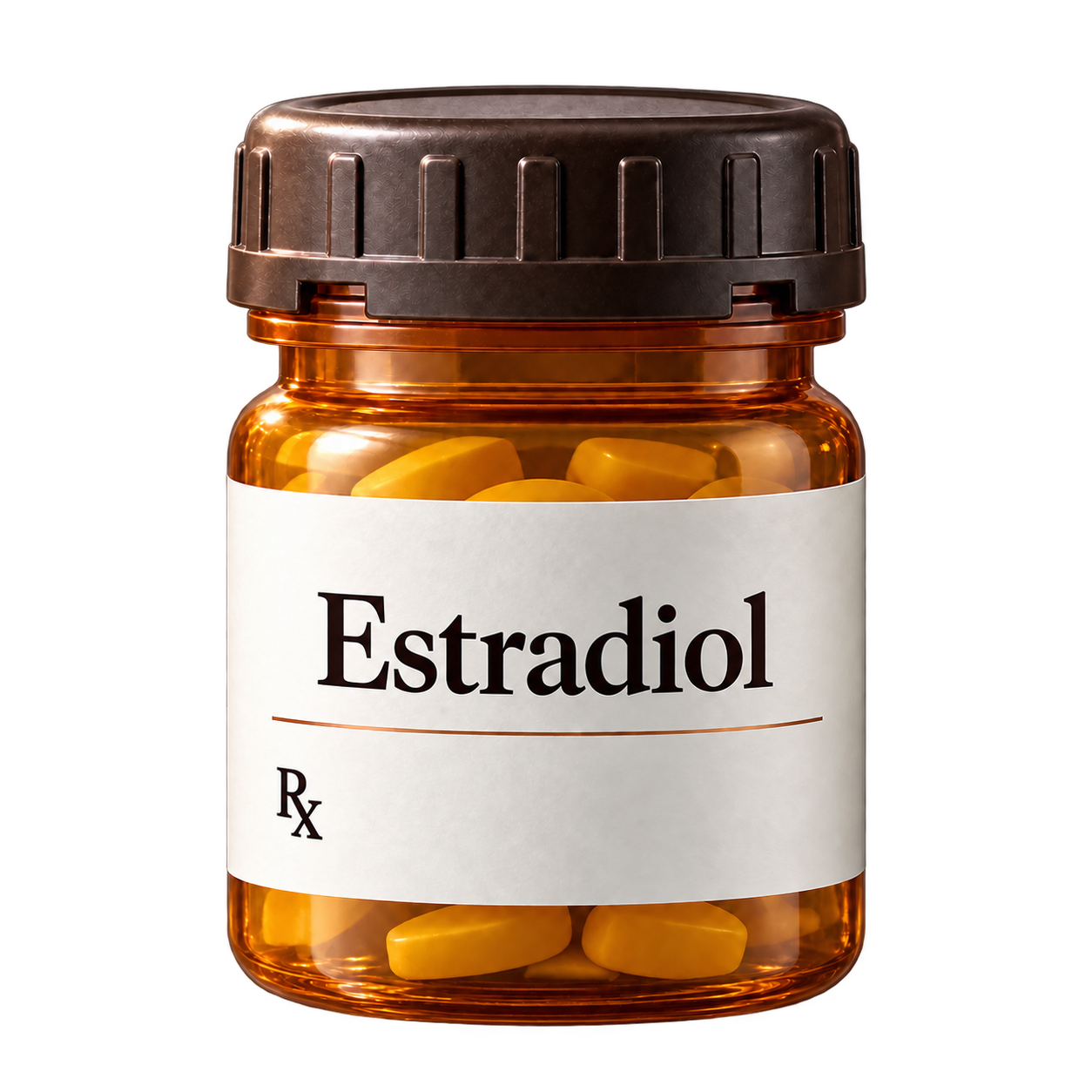
Perimenopause is the transition before menopause when hormone levels fluctuate and symptoms like hot flashes, night sweats, sleep disruption, and vaginal dryness can start. For many people, hormone therapy uses estradiol, a form of estrogen, to reduce these symptoms. This page explains how estradiol based HRT in perimenopause is used, who it may or may not fit, and what to discuss with a clinician.
- HRT perimenopause often means estradiol to relieve vasomotor symptoms like hot flashes.
- If you still have a uterus, estrogen is usually paired with a progestogen to lower endometrial cancer risk.
- Estrogen therapy has boxed warnings including blood clots, stroke, and certain cancers.
- Patches and pills both treat symptoms, but have different dosing and risk considerations.
- Costs vary by form, dose, insurance coverage, and whether you need a second hormone.
What HRT in perimenopause is
Estradiol based therapy
In perimenopause, hormone therapy commonly uses estradiol to replace some of the estrogen your ovaries are making less consistently. Estradiol is available in multiple FDA approved forms, including oral tablets, transdermal patches, and vaginal products. The goal is symptom relief, not to restore a specific lab value.
Systemic vs local estrogen
Systemic estrogen (such as pills and most patches) circulates throughout your body and is used for vasomotor symptoms like hot flashes and night sweats. Local vaginal estrogen is mainly for genitourinary symptoms like vaginal dryness and painful sex. Which form is used depends on your symptoms and risk factors.
Why progesterone matters
If you have a uterus, estrogen alone can stimulate the uterine lining (endometrium) and raise the risk of endometrial cancer. Many people need a progestogen (progesterone or a progestin) along with systemic estrogen to protect the endometrium. A clinician chooses the regimen based on your history and bleeding pattern.
Not the same as birth control
Perimenopause HRT is not contraception. Pregnancy can still occur until menopause is reached, and some people need separate birth control. Ask a clinician how to manage symptoms while also preventing pregnancy if that applies to you.
How estradiol works for perimenopause symptoms
Calms temperature swings
Hot flashes and night sweats are linked to changes in how the brain regulates body temperature as estrogen levels fluctuate. Systemic estradiol can reduce vasomotor symptoms by stabilizing estrogen signaling. This is one of the main FDA approved uses of systemic estrogen therapy.
Supports vaginal tissues
Lower estrogen can thin and dry vaginal and urinary tissues, which can cause dryness, burning, and pain with sex. Vaginal estradiol delivers estrogen locally to improve these tissues. Local therapy is often used when symptoms are mainly vaginal or urinary.
Bone effects depend on form
Systemic estrogen therapy is FDA approved for prevention of postmenopausal osteoporosis, but it is not usually the first choice solely for bone protection. In perimenopause, clinicians may consider your overall fracture risk and other options. The decision is individualized and balances benefits and risks.
Route changes exposure
Oral estradiol is processed through the liver first, which can affect clotting factors and triglycerides in some people. Transdermal estradiol (patch) avoids first pass liver metabolism and may be preferred for some risk profiles. Your clinician can help match the route to your medical history.
Who estradiol HRT in perimenopause may be for
Bothersome hot flashes
Systemic estrogen is indicated for moderate to severe vasomotor symptoms, such as frequent hot flashes and night sweats that disrupt sleep or daily life. If symptoms are affecting work, mood, or relationships, it is reasonable to ask about options. A clinician will weigh symptom severity against your personal risk factors.
Vaginal dryness or pain
If your main symptoms are vaginal dryness, burning, or pain with sex, local vaginal estradiol may be considered. Local therapy uses lower systemic exposure than pills or patches. Your clinician can help decide whether local treatment alone is enough.
Early menopause risk
Some people enter menopause earlier due to surgery, chemotherapy, or primary ovarian insufficiency. In those situations, hormone therapy may be discussed to manage symptoms and reduce longer term risks related to low estrogen. The right plan depends on age, cause, and contraindications.
Need for tailored route
If you have migraine, high triglycerides, or other factors that influence route choice, a clinician may discuss transdermal versus oral options. The form you use can affect side effects, convenience, and monitoring needs. Do not switch forms without clinician guidance.
Who should not take systemic estrogen, or needs extra caution
Estrogen dependent cancer
Systemic estrogen is contraindicated in known, suspected, or history of breast cancer and in estrogen dependent neoplasia. If you have had breast cancer or are being evaluated for it, discuss nonhormonal options and specialist input. Vaginal estrogen may still be considered in select cases, but only with oncology guidance.
Unexplained vaginal bleeding
Any undiagnosed abnormal genital bleeding needs evaluation before starting systemic estrogen. Bleeding can have many causes, including polyps, fibroids, or endometrial hyperplasia. Starting estrogen without evaluation can delay diagnosis.
Blood clot or stroke history
Systemic estrogen is contraindicated with active or past deep vein thrombosis or pulmonary embolism, and with active or recent arterial thromboembolic disease such as stroke or heart attack. Estrogen increases the risk of blood clots and stroke in some populations. Your clinician may recommend nonhormonal treatments if you have these risks.
Liver disease or allergy
Systemic estrogen is contraindicated in liver dysfunction or disease and in people with known hypersensitivity to the product. If you have liver disease, the safest symptom management plan may be nonhormonal. Tell your clinician about any prior reactions to hormones, patches, or excipients.
Pregnancy
Estrogen therapy is contraindicated in pregnancy. If pregnancy is possible, discuss contraception and timing. Seek urgent care for severe abdominal pain or heavy bleeding.
What to expect if you start perimenopause HRT
Symptom focused follow up
Your clinician will usually track how your symptoms change, along with side effects and blood pressure. In perimenopause, bleeding patterns can be irregular even without treatment, so new or persistent bleeding on therapy should be reported. The plan may be adjusted based on your response and tolerability.
You may need two hormones
If you have a uterus and use systemic estradiol, you will often also need a progestogen to protect the uterine lining. Some regimens use continuous combined therapy, while others use cyclic progestogen. Your clinician will choose what fits your bleeding pattern and risk profile.
Route and schedule vary
Oral estradiol is taken by mouth, patches are applied to the skin on a schedule, and vaginal products are used locally. The best option depends on which symptoms you want to treat and your medical history. Ask your pharmacist and clinician about product specific instructions and what to do if you miss a dose.
Use the lowest effective dose
FDA labeling for estrogen therapy emphasizes using the lowest effective dose for the shortest duration consistent with treatment goals and risks. That does not mean you must stop at a specific time, but it does mean regular reassessment matters. Plan periodic check ins to review whether benefits still outweigh risks.
Side effects and warnings
Breast tenderness
Breast tenderness can occur with systemic estrogen, especially when starting or after dose changes. It often improves as your body adjusts, but persistent or worsening breast changes should be evaluated. Keep up with recommended breast cancer screening for your age and risk.
Nausea or bloating
Some people notice nausea, bloating, or stomach upset, more commonly with oral estrogen. Taking medication as directed and discussing route changes can help if symptoms persist. Seek care for severe abdominal pain or vomiting.
Headache
Headache can occur with estrogen therapy and may be more noticeable in people prone to migraines. Report new, severe, or different headaches promptly, especially if they come with neurologic symptoms. Your clinician may adjust the route or dose depending on your pattern.
Irregular bleeding
Spotting or breakthrough bleeding can happen, especially early in treatment or with cyclic regimens. However, any persistent, heavy, or new bleeding needs evaluation to rule out endometrial problems. Do not ignore bleeding because you are in perimenopause.
Blood clots and stroke
Estrogen therapy carries a boxed warning for increased risks of stroke and deep vein thrombosis. The risk depends on age, time since menopause, dose, route, and personal factors such as smoking or prior clot history. Seek urgent care for symptoms like chest pain, shortness of breath, or one sided weakness.
Endometrial cancer risk
In people with a uterus, estrogen alone increases the risk of endometrial cancer. Adding a progestogen reduces this risk, which is why combination therapy is often used. Report any abnormal bleeding promptly so your clinician can evaluate it.
Cost and access
What drives cost
The price of estradiol therapy depends on the form (tablet, patch, or vaginal product), the dose and quantity, and whether you also need a progestogen. Brand versus generic availability can also change what you pay. Current prices for the product linked on this page are shown in the price block.
Insurance coverage varies
Many insurance plans cover at least one form of estradiol, but formularies differ and may require prior authorization or step therapy. Patches and vaginal products may have different coverage rules than tablets. If your preferred form is not covered, your clinician can discuss alternatives.
Visits and monitoring
Access often includes a clinician visit to review symptoms, medical history, and contraindications, plus follow up to reassess benefits and side effects. You may also need routine preventive care, such as blood pressure checks and age appropriate cancer screening. These services can affect total out of pocket cost.
Pharmacy and availability
Generic estradiol is FDA approved, but specific strengths or patch brands can be intermittently backordered. If a product is unavailable, your clinician may choose a different FDA approved formulation. Do not substitute products on your own without guidance.
How to get perimenopause HRT safely
- 1
List your symptoms and goals
Note which symptoms bother you most, how often they occur, and what you have tried.
- 2
Review your medical history
Be ready to discuss clot history, cancers, migraines, smoking, blood pressure, and any abnormal bleeding.
- 3
Discuss the best formulation
A clinician can help choose oral, patch, or vaginal estradiol and whether you need a progestogen.
- 4
Plan follow up and safety checks
Set expectations for reassessment, side effect monitoring, and what symptoms should prompt urgent care.
Frequently Asked Questions
Can you use hrt perimenopause, or is it only for menopause?
HRT can be used during perimenopause when symptoms are bothersome, especially vasomotor symptoms like hot flashes and night sweats. A clinician considers your symptom pattern, whether you still need contraception, and your risks for clots, stroke, and hormone sensitive cancers.
What is the difference between hrt in perimenopause and birth control?
Perimenopause HRT is typically lower dose hormone therapy aimed at symptom relief, and it is not contraception. Birth control is designed to prevent pregnancy and can also help bleeding and some symptoms. A clinician can help decide which fits your needs and risks.
Do I need progesterone with estradiol in perimenopause?
If you have a uterus and use systemic estrogen, a progestogen is commonly added to reduce the risk of endometrial cancer. The exact regimen depends on your bleeding pattern and medical history. Your clinician will review options and monitoring.
Is a patch safer than oral estradiol for blood clots?
FDA labels for estrogen products include clot and stroke warnings for systemic therapy. Some guidelines and studies suggest transdermal estrogen may have a lower clot risk than oral estrogen in certain people, but your overall risk factors still matter. Discuss route choice with a clinician.
How much does perimenopause HRT cost?
Cost depends on the formulation (tablet, patch, or vaginal product), dose, insurance coverage, and whether you also need a progestogen. If a price block is shown on this page, it displays current prices for the linked product. A clinician visit and follow up can add to total cost.