
HRT pellets: what to know first
HRT pellets are implanted hormone pellets that are not FDA-approved. Compare risks, monitoring, and FDA-approved estradiol options.
Key facts
- Estradiol Oral Capsules is $66.34/month (billed $199 every 90 days), charged only after a clinician approves it.
- Answer a few health questions online. A licensed clinician reviews them. If approved, it ships to your door.
- Adults 18 or older. A licensed clinician reviews your health history and decides whether treatment is appropriate for you. Availability depends on the state you live in.





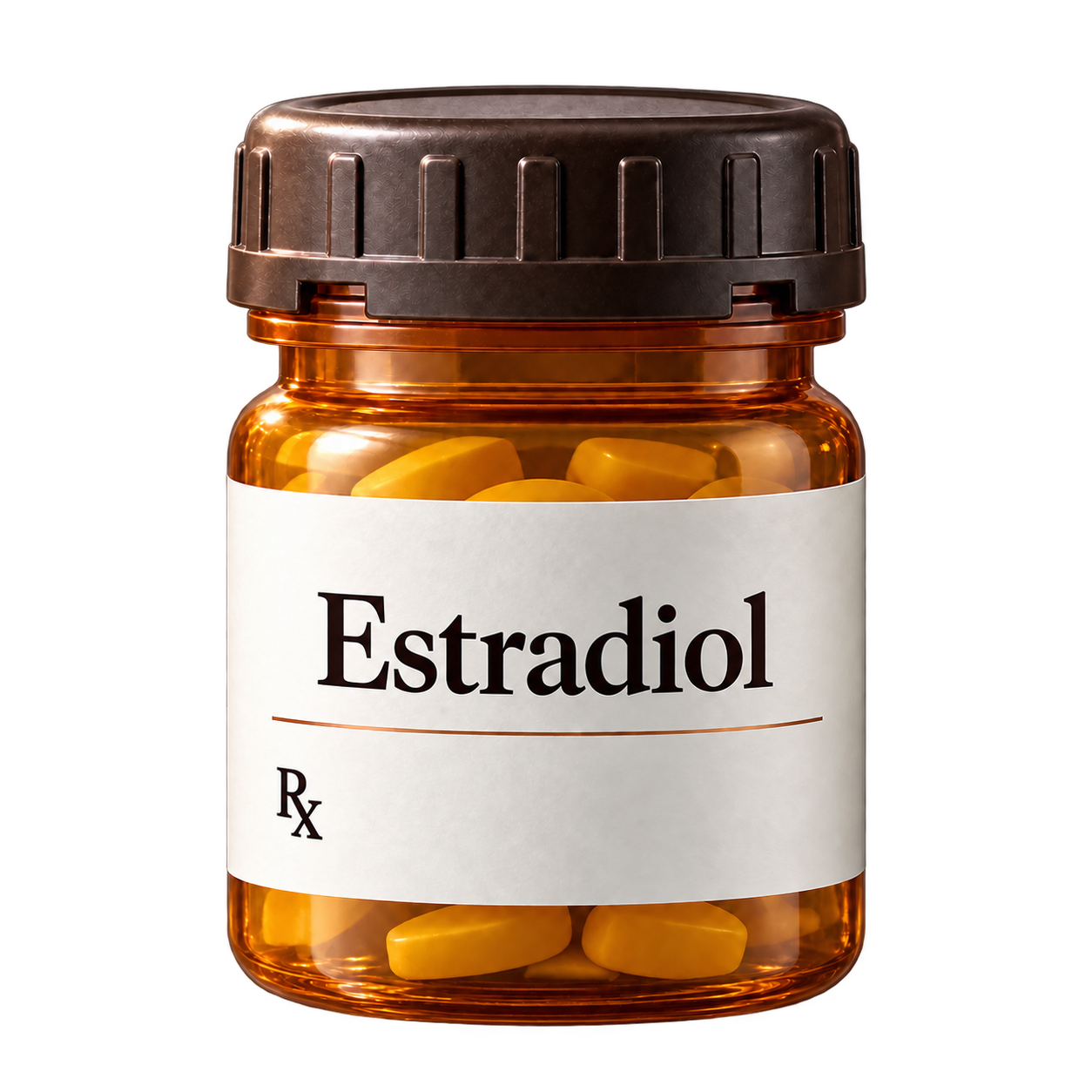
HRT pellets are small hormone pellets placed under the skin to release hormones over time. They are sometimes marketed as “bioidentical,” but pellet implants are not FDA-approved, and dosing can be hard to fine-tune once a pellet is inserted. If you are deciding between pellets and FDA-approved options like estradiol patches, tablets, or creams, Vitals Vault can help you compare routes, risks, and what monitoring to discuss with a licensed clinician.
- HRT pellets are implanted hormone pellets, and they are not FDA-approved.
- Once placed, pellets cannot be easily removed, so side effects may last longer.
- For menopause symptoms, FDA-approved estradiol options include patches, tablets, and vaginal products.
- If you have a uterus, estrogen usually requires progestogen to reduce endometrial cancer risk.
- Estrogen therapy has important boxed warnings, including blood clots and stroke risk in some people.
What HRT pellets are
Implanted hormone delivery
HRT pellets are small implants placed under the skin, typically in a clinic procedure. They are intended to release hormone over weeks to months. Unlike a patch or tablet, you cannot simply stop the medication the same day if you feel unwell.
Not FDA-approved
There is no FDA-approved estradiol or testosterone pellet product for routine menopause hormone therapy in the United States. Many pellets are compounded products, which means they are prepared by a pharmacy for an individual prescription and are not FDA-approved.
Often compared with estradiol
For menopausal symptoms, FDA-approved estrogen therapy typically uses estradiol in forms such as transdermal patches, oral tablets, or vaginal creams, tablets, and rings. These routes allow dose adjustments and stopping if side effects occur.
“HRT supplement” is different
Over-the-counter products marketed as an “HRT supplement” are not the same as prescription hormone therapy and are not regulated like prescription drugs. If you are considering any supplement for menopause symptoms, review ingredients and risks with a clinician.
How HRT pellets work in the body
Hormone enters the bloodstream
Pellets are designed to release hormone that is absorbed into the bloodstream. The goal is to raise hormone levels to reduce symptoms such as hot flashes or night sweats. Because release is continuous, side effects can persist until hormone levels fall.
Route matters for risk
How estrogen gets into your body can affect risk. Clinical guidance notes that transdermal estrogen (patch, gel, spray) may have a lower risk of venous thromboembolism (blood clots) than oral estrogen in some people.
If you have a uterus
Using estrogen without a progestogen in someone with a uterus increases the risk of endometrial hyperplasia and endometrial cancer. FDA labeling for systemic estrogen includes this warning, and clinical guidelines recommend endometrial protection when appropriate.
Testosterone is different
Some pellet regimens include testosterone. In the US, there is no FDA-approved testosterone product specifically indicated for menopausal symptoms in women, and professional guidance recommends careful diagnosis and monitoring when testosterone is used for hypoactive sexual desire disorder.
- FDA-approved estradiol routes
- Oral tablets, transdermal systems (patches), and vaginal products are FDA-approved forms of estradiol.
- Key safety concept
- Systemic estrogen carries boxed warnings and requires individualized risk assessment.
- Uterus consideration
- Estrogen alone increases endometrial cancer risk; progestogen is used for protection when needed.
Who HRT pellets may be for (and who may prefer alternatives)
People seeking long-acting dosing
Some people consider pellets because they want a long-acting option and do not want to remember daily or weekly dosing. The tradeoff is that dose changes are not simple once the pellet is implanted. Discuss how you would handle side effects or overexposure.
People with moderate to severe vasomotor symptoms
For hot flashes and night sweats, multiple FDA-approved hormone therapy options exist, including transdermal and oral estradiol. Clinical guidelines generally recommend using the lowest effective dose for the shortest duration consistent with treatment goals and risks.
People who need flexible titration
If you have migraine sensitivity, prior side effects, or changing symptoms, a form you can adjust or stop quickly may be safer and more comfortable. Patches, tablets, and vaginal products can often be adjusted more readily than pellets.
People with genitourinary symptoms
If your main issue is vaginal dryness or painful sex, local vaginal estrogen is often used because it treats tissue symptoms with lower systemic exposure than full-body (systemic) therapy. A clinician can help match the route to your symptoms.
People considering “bioidentical” therapy
Estradiol itself is bioidentical and is available in FDA-approved products. Compounded hormone products, including many pellets, are not FDA-approved and do not have the same standardized labeling, dosing consistency, and postmarketing safety surveillance.
Who should not use HRT pellets
Estrogen-dependent cancer history
Systemic estrogen is generally contraindicated in people with known, suspected, or history of estrogen-dependent cancers such as breast cancer. If you have a cancer history, decisions about hormones should be made with your oncology team and a menopause specialist.
Blood clots or clotting disorders
Estrogen therapy is contraindicated in people with active or past deep vein thrombosis or pulmonary embolism. It is also contraindicated in people with active arterial thromboembolic disease such as stroke or myocardial infarction.
Unexplained vaginal bleeding
Unusual or unexplained vaginal bleeding needs evaluation before starting systemic estrogen. This is important because estrogen can stimulate the uterine lining, and bleeding can be a sign of a condition that needs diagnosis.
Liver disease
Systemic estrogen is contraindicated in people with known liver impairment or disease. Your clinician may recommend alternative approaches depending on your liver health and the route of therapy.
Pregnancy
Estrogen therapy is contraindicated in pregnancy. If pregnancy is possible, discuss contraception and pregnancy testing with your clinician before any hormone therapy.
What to expect if you are considering pellets
A procedure and a commitment
Pellets are placed with a minor in-office procedure. Because the pellet is designed to release hormone over time, you may not be able to quickly reverse the dose if you develop side effects. Ask how follow-up is handled and what symptoms should prompt a call.
Monitoring still matters
Even when symptoms improve, hormone therapy should be monitored for safety and effectiveness. Depending on your history, monitoring may include blood pressure, breast cancer screening, and evaluation of abnormal bleeding. If testosterone is used, monitoring for androgen side effects is important.
You may still need progestogen
If you have a uterus and are using systemic estrogen, you typically need endometrial protection with a progestogen. Ask your clinician what they recommend and why, and what bleeding patterns should be evaluated.
Expect ongoing risk review
Menopause hormone therapy is not one-size-fits-all. Guidelines recommend periodic reassessment of benefits and risks, especially as age and health conditions change. Your clinician should revisit whether the route and dose still match your goals.
| Option | FDA-approved for menopause hormone therapy? | Adjustable or stoppable quickly? | Typical use case |
|---|---|---|---|
| Hormone pellets (often compounded) | No | Limited | Long-acting dosing preference, but harder to adjust |
| Estradiol patch (transdermal) | Yes | Yes | Systemic symptom relief with flexible dosing |
| Estradiol oral tablet | Yes | Yes | Systemic symptom relief when oral route is appropriate |
| Vaginal estradiol (local) | Yes | Yes | Vaginal and urinary symptoms, less systemic exposure |
HRT pellets side effects and warnings
Breast tenderness and nausea
Systemic estrogen can cause breast tenderness, nausea, and headache. With pellets, symptoms may be harder to manage because you cannot simply remove the dose the way you can stop a pill or take off a patch. Tell your clinician if side effects are persistent or severe.
Irregular bleeding
Systemic estrogen can cause uterine bleeding, especially early in therapy or when the uterine lining is not adequately protected in someone with a uterus. Any new, persistent, or heavy bleeding should be evaluated to rule out endometrial hyperplasia or cancer.
Blood clots and stroke
Estrogen therapy carries a risk of venous thromboembolism (blood clots) and stroke, and FDA labeling includes boxed warnings about cardiovascular and thromboembolic risks. Your personal risk depends on factors like age, smoking, clot history, and route of estrogen.
Breast cancer risk
FDA labeling for estrogen and estrogen plus progestin therapy includes warnings about breast cancer risk. Risk varies by regimen and individual factors, and screening should follow clinician guidance. Discuss your personal and family history before starting any systemic hormone therapy.
Endometrial cancer risk
In people with a uterus, using estrogen alone increases the risk of endometrial cancer. Adding a progestogen reduces the risk of endometrial hyperplasia, which can be a precursor to cancer. Report abnormal bleeding promptly.
Androgen side effects (if testosterone)
If a pellet regimen includes testosterone, possible side effects include acne, unwanted hair growth, scalp hair thinning, voice changes, and clitoral enlargement. Some changes may be persistent. Professional guidance recommends careful diagnosis and avoiding supraphysiologic dosing.
Cost and access: what drives the price and what you can do
Route and formulation
Cost often depends on whether you use an FDA-approved estradiol product (tablet, patch, vaginal) versus a compounded pellet. FDA-approved products have standardized manufacturing and labeling, while compounded products vary by pharmacy and are not FDA-approved.
Clinic procedure and follow-up
Pellets typically involve an in-office insertion procedure and follow-up visits, which can add to total cost. FDA-approved options may avoid procedure fees and allow easier dose adjustments through routine follow-up.
Insurance coverage varies
Coverage depends on your plan, the specific product, and whether it is FDA-approved. Many insurers cover FDA-approved estradiol products more readily than compounded pellets. If you are using a patch or tablet, your clinician may be able to document the medical reason for the chosen route.
Prices shown on this page
If you are comparing options, current prices for the FDA-approved estradiol product linked on this page are shown in the price block. Your final cost can still vary based on your plan, pharmacy, and clinician visit requirements.
How to get menopause hormone therapy safely
- 1
Clarify your main symptoms and goals
Write down your symptoms, when they started, and what you have tried so far.
- 2
Review your personal risk factors
A clinician should screen for clot risk, cancer history, abnormal bleeding, and other contraindications.
- 3
Choose an evidence-based option
Discuss FDA-approved estradiol routes first, and compare them with pellets if you are still considering implants.
- 4
Plan monitoring and follow-up
Agree on what to track, when to reassess benefits and risks, and what symptoms should prompt urgent evaluation.
Frequently Asked Questions
Are hrt pellets FDA-approved?
No. Hormone pellets used for menopause hormone therapy are not FDA-approved, and many are compounded products. FDA-approved estradiol options include oral, transdermal (patch), and vaginal products with standardized labeling.
Are hrt pellets safer than patches or pills?
Not necessarily. Pellets are harder to adjust or stop quickly, and they do not have FDA-approved labeling for menopause therapy. Safety depends on your personal risk factors and the route of estrogen, so review options with a clinician.
Do I need progesterone if I use estrogen pellets?
If you have a uterus and are using systemic estrogen, you typically need a progestogen to reduce the risk of endometrial hyperplasia and endometrial cancer. Your clinician can recommend an approach based on your uterus status and bleeding history.
Is an “hrt supplement” the same as hormone replacement therapy?
No. Supplements are not the same as prescription hormone therapy and are not regulated like FDA-approved drugs. If you are considering an HRT supplement, review ingredients, interactions, and safety with a clinician.
How can I decide between pellets and FDA-approved estradiol?
A practical starting point is to match the route to your symptoms and risk profile, then consider how easily you want to adjust or stop therapy. Vitals Vault can help you connect with a licensed clinician who reviews your history and discusses FDA-approved estradiol options.