
When to start hrt perimenopause?
When to start HRT perimenopause: you can start when symptoms affect life and risks are acceptable. A clinician confirms the right type and dose.
Key facts
- Answer a few health questions online. A licensed clinician reviews them. If approved, it ships to your door.
- Adults 18 or older. A licensed clinician reviews your health history and decides whether treatment is appropriate for you. Availability depends on the state you live in.





There is no single calendar date for when to start HRT in perimenopause. Most guidelines focus on starting when symptoms like hot flashes or night sweats are affecting your sleep, mood, or daily function, after a clinician reviews your health risks and goals. This page explains how clinicians think about timing, what makes HRT more or less appropriate, and what to ask next. If you want to sanity check your situation, Vitals Vault also offers PocketMD, an AI health companion for questions based on your own history.
- You can start HRT in perimenopause when symptoms are bothersome and benefits outweigh risks.
- Age and time since menopause matter most for safety, not a specific lab number.
- If you still have a uterus, estrogen is usually paired with a progestogen to protect the lining.
- Unexpected bleeding, chest pain, one-sided weakness, or severe shortness of breath need urgent evaluation.
When to start HRT in perimenopause
Start when symptoms drive the decision
HRT is generally used for menopausal symptoms, especially vasomotor symptoms (hot flashes and night sweats). If symptoms are affecting sleep, work, relationships, or quality of life, that is often the point when people consider treatment. The goal is symptom relief, not hitting a specific hormone level.
Timing is about risk, not perfection
Guidelines commonly describe a more favorable benefit to risk profile for people who start systemic hormone therapy younger than 60 years or within 10 years of menopause onset. This is sometimes called the timing hypothesis. A clinician still individualizes the decision based on your medical history.
Perimenopause can still mean pregnancy risk
Perimenopause is the transition before menopause, and ovulation can still happen unpredictably. If pregnancy prevention is needed, discuss contraception separately from HRT. Some people use hormonal contraception for symptom control and contraception during this stage.
How clinicians decide if it is the right time
Your symptoms and goals
Systemic estrogen therapy is the most effective treatment for vasomotor symptoms, according to major menopause society guidance. Vaginal estrogen is typically used for genitourinary symptoms like vaginal dryness and painful sex. Your main symptoms help determine whether you need systemic therapy, local therapy, or a nonhormonal option.
Whether you have a uterus
If you have a uterus, estrogen is typically paired with a progestogen (progesterone or a progestin) to reduce the risk of endometrial hyperplasia and endometrial cancer from unopposed estrogen. If you do not have a uterus, estrogen alone may be used. The exact regimen depends on bleeding patterns and clinician preference.
Personal risk factors and contraindications
Systemic estrogen is not appropriate for everyone. FDA labeling for estrogen therapies lists contraindications that include known or suspected breast cancer, estrogen-dependent neoplasia, active or past blood clots, stroke or heart attack, liver disease, and unexplained vaginal bleeding. A clinician reviews your history and may recommend alternatives if these apply.
Route and formulation considerations
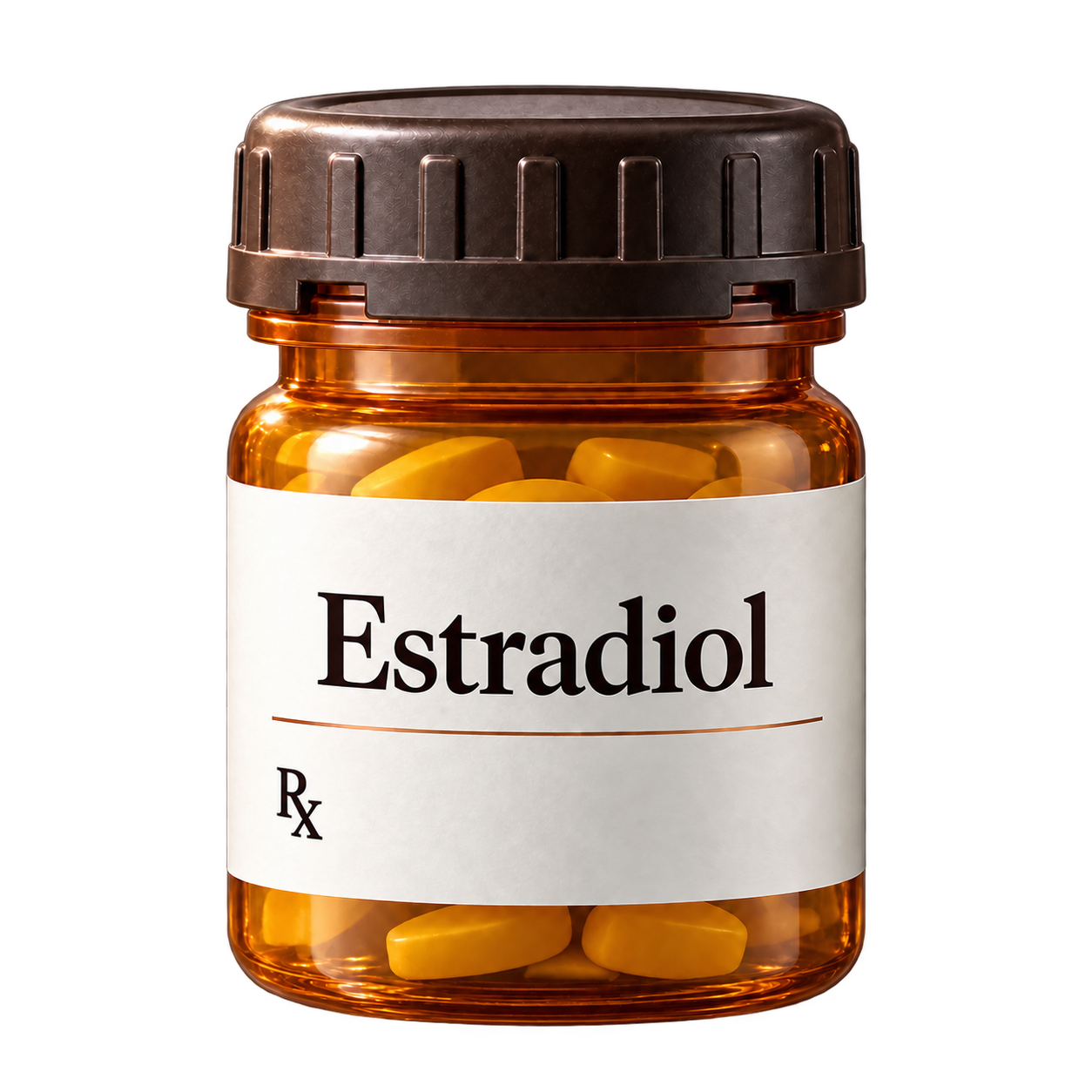
Estradiol can be taken orally, delivered through the skin (patch), or used locally (vaginal products). Different routes can have different risk and side effect considerations, and the best choice depends on your symptoms and medical history. Your clinician will also consider drug interactions and your preferences.
What labs can and cannot do
Routine hormone testing is not required for most people to diagnose perimenopause or to decide on symptom treatment, because hormone levels fluctuate. Labs can still be useful to rule out other causes of symptoms or to check related health issues, depending on your situation. Your clinician decides what testing is appropriate.
| Decision point | Why it matters | What you can do next |
|---|---|---|
| Hot flashes or night sweats disrupting life | Systemic estrogen is the most effective therapy for vasomotor symptoms | Track symptom frequency and triggers; discuss systemic options |
| Vaginal dryness or pain with sex | Local vaginal estrogen treats genitourinary symptoms with minimal systemic absorption | Discuss local therapy and nonhormonal moisturizers or lubricants |
| Still having periods or irregular bleeding | Perimenopause can include unpredictable bleeding; some bleeding needs evaluation | Ask what bleeding patterns need workup before starting or while on therapy |
| History of blood clots, stroke, or certain cancers | These can be contraindications to systemic estrogen per FDA labeling | Review your history and consider nonhormonal therapies or specialist input |
| Age under 60 or within 10 years of menopause | Guidelines describe a more favorable benefit to risk profile in this window | Discuss how timing affects your personal risk and monitoring plan |
When to talk to a clinician about starting HRT
Symptoms are frequent or worsening
If hot flashes, night sweats, sleep disruption, mood changes, or vaginal symptoms are affecting your daily life, it is reasonable to discuss treatment options. Bring a short symptom diary so you can describe patterns clearly. Ask about hormonal and nonhormonal choices.
You have abnormal bleeding
Bleeding that is heavy, prolonged, occurs after sex, or happens after menopause should be evaluated. Unexplained vaginal bleeding is a contraindication to starting systemic estrogen until it is assessed. Your clinician may recommend testing before any hormone plan.
You have clot, stroke, or cancer history
A history of blood clots, stroke, heart attack, breast cancer, or liver disease can change whether systemic HRT is appropriate. This is a situation where individualized risk assessment matters most. Consider asking whether a menopause specialist consult is appropriate.
You might be in early menopause
If menopause happens earlier than expected, the health considerations can be different and may warrant earlier evaluation and treatment discussion. A clinician can help confirm what is happening and whether hormone therapy is recommended. Do not assume symptoms are only perimenopause.
Practical tips before you start
Bring a symptom snapshot
Write down your top symptoms, how often they happen, and what they disrupt.
List your uterus status
Tell your clinician if you have had a hysterectomy, and if your ovaries remain.
Ask about route options
Oral, patch, and vaginal estradiol can serve different goals and risk profiles.
Clarify the follow-up plan
Ask when you will reassess symptom relief, side effects, and any needed screening.
Keep contraception separate
If pregnancy prevention matters, confirm what method fits alongside symptom treatment.
Frequently Asked Questions
When to start hrt perimenopause if my periods are irregular?
Irregular periods are common in perimenopause, and HRT timing is usually based on symptom burden and your risk profile rather than cycle regularity. Because some bleeding patterns need evaluation, discuss irregular or heavy bleeding with a clinician before starting systemic estrogen.
Do I need hormone tests before starting HRT in perimenopause?
Often, no. Major guidance notes that hormone levels fluctuate in perimenopause, so testing is not routinely required to decide on symptom treatment. Your clinician may still order labs to rule out other causes or to guide care.
Can I start HRT if I still need birth control?
Possibly, but contraception and symptom treatment are separate decisions. In perimenopause, pregnancy can still occur, so ask your clinician which contraception options can be used alongside symptom management. Some people use hormonal contraception for both purposes.
What are the main risks that affect HRT timing?
FDA labeling for estrogen therapies lists contraindications such as unexplained vaginal bleeding, active or past blood clots, stroke or heart attack, certain cancers, and liver disease. Age and time since menopause also influence overall benefit to risk. A clinician weighs these factors with your symptom severity.
Is estradiol the same as HRT, and how do I choose a form?
Estradiol is a form of estrogen commonly used in HRT, and it comes in oral, patch, and local vaginal options. The best form depends on your symptoms, whether you have a uterus, and your medical history. A clinician can help match the route to your goals and risks.