
How long does hrt take to work?
How long does HRT take to work? Many people notice some symptom relief within weeks, but full benefits can take months. Your timeline varies.
Key facts
- Answer a few health questions online. A licensed clinician reviews them. If approved, it ships to your door.
- Adults 18 or older. A licensed clinician reviews your health history and decides whether treatment is appropriate for you. Availability depends on the state you live in.





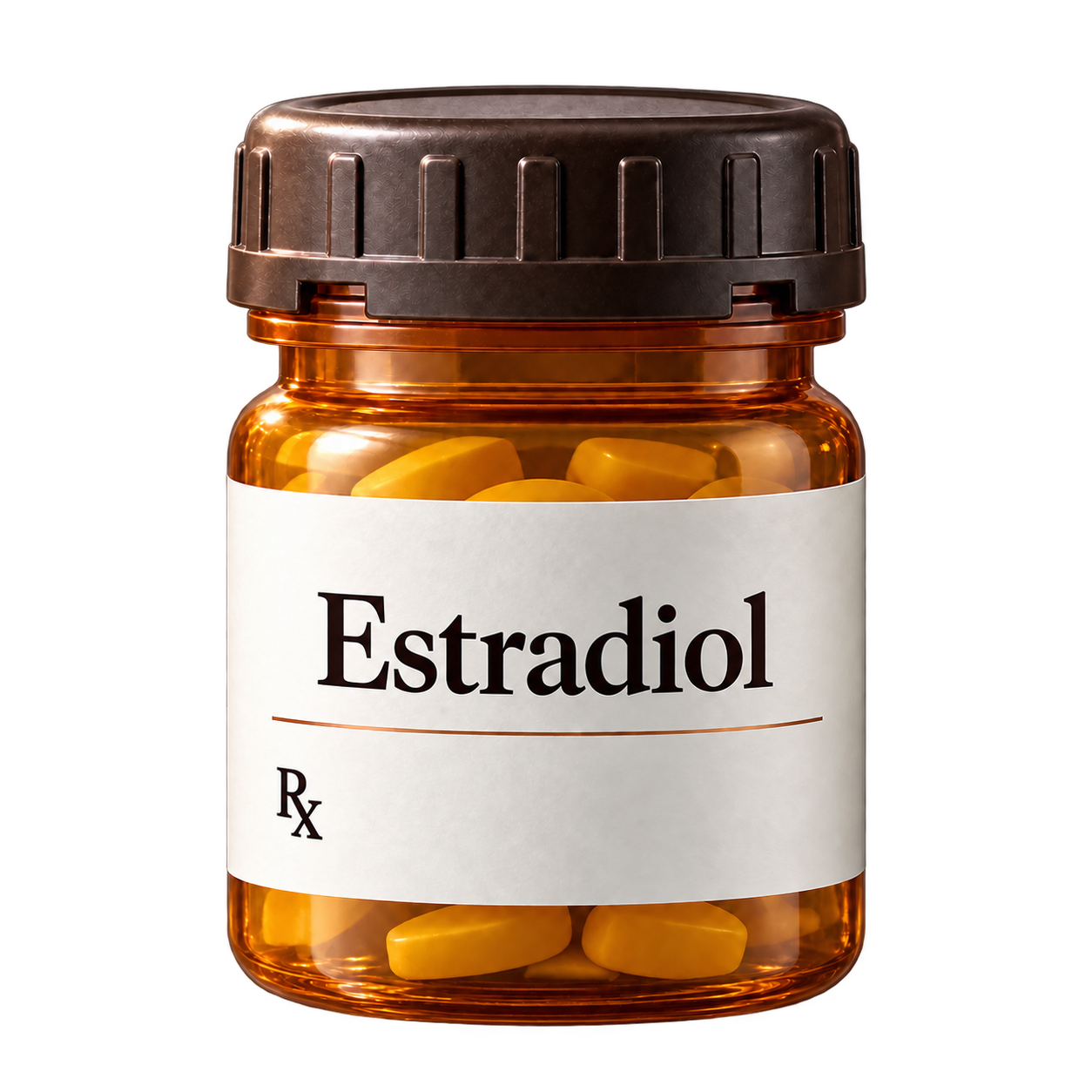
Hormone replacement therapy (HRT) is not an instant switch. Many people notice some symptom relief within the first several weeks, but the time to feel your best can be longer and varies by symptom and by the type of HRT you use. This guide explains what to expect with estradiol (oral tablets, patches, or vaginal products), what can speed up or slow down results, and when to check in with a clinician. Vitals Vault also includes options to track labs and ask questions in PocketMD.
- How long does hrt take to work? Some symptoms may improve within weeks, while others can take months.
- Your timeline depends on which symptoms you are treating, the estrogen route, and dose adjustments.
- Vaginal dryness often improves sooner with local vaginal estrogen than with systemic therapy.
- If symptoms are not improving or side effects are bothersome, a clinician can reassess the plan.
Answer: how fast HRT can start helping
Hot flashes and night sweats
Systemic estrogen is an established treatment for vasomotor symptoms, meaning hot flashes and night sweats. Many people notice improvement within weeks, but it can take longer to find the lowest effective dose and the best route for you. If symptoms persist, a clinician may adjust the plan.
Sleep and mood
Sleep can improve as night sweats improve, but sleep and mood changes often have multiple causes. Some people feel better within weeks, while others need more time and may also benefit from nonhormonal supports. Track what changes and what does not so your clinician can target the right symptom.
Vaginal dryness and painful sex
Local vaginal estrogen is used for genitourinary syndrome of menopause (GSM), which includes vaginal dryness and pain with sex. Symptom relief can begin within weeks, but tissue changes may take longer, and ongoing use is often needed to maintain benefit. A clinician can help match the product and schedule to your symptoms.
Urinary symptoms from GSM
Some urinary symptoms related to GSM, such as burning or urgency, may improve as vaginal tissues respond to local estrogen. Improvement may be gradual and can take weeks to months. New or severe urinary symptoms should be evaluated to rule out infection or other causes.
What affects how long HRT takes to work
Route: oral vs patch vs vaginal
Systemic estradiol (oral tablets or transdermal patches) is used for whole body symptoms like hot flashes. Vaginal estradiol products are primarily for GSM symptoms and act locally with low systemic absorption. The right route for you depends on your symptoms and risk factors discussed with a clinician.
Dose changes take time
Clinicians often start with a lower dose and adjust based on symptom response and side effects. That means your first prescription may not be your final regimen. Give your body time to respond before deciding whether it is working, and follow your clinician’s follow-up plan.
You may need progesterone too
If you have a uterus, estrogen therapy is typically paired with a progestogen to reduce the risk of endometrial hyperplasia and endometrial cancer. Adding or changing a progestogen can affect bleeding patterns and how you feel early on. Discuss any unexpected bleeding promptly.
Baseline symptom severity
If symptoms are frequent or severe, you may notice meaningful relief sooner because there is more room for improvement. If symptoms are mild or intermittent, changes can be harder to detect without tracking. A simple symptom diary can help you and your clinician judge progress.
Other health factors
Thyroid disease, sleep apnea, depression or anxiety, medications, alcohol use, and room temperature can all influence hot flashes and sleep. If HRT helps some symptoms but not others, it may be a clue that another factor needs attention. A clinician can help sort this out.
Side effects can appear early
Some side effects, such as breast tenderness, nausea, headache, or irregular bleeding, may occur early in treatment and sometimes improve with time or with a change in formulation. Serious risks exist with systemic estrogen, including blood clots and stroke, and risk depends on your individual history. Seek urgent care for symptoms of a clot or stroke.
| Estradiol route | Most often used for | Notes to discuss with a clinician |
|---|---|---|
| Oral estradiol (systemic) | Hot flashes and night sweats; prevention of bone loss in appropriate patients | Systemic risks and contraindications apply; may require progestogen if uterus present. |
| Transdermal estradiol patch (systemic) | Hot flashes and night sweats; prevention of bone loss in appropriate patients | Systemic risks and contraindications apply; patch avoids first-pass liver metabolism. |
| Vaginal estradiol (local) | Vaginal dryness, pain with sex, and other GSM symptoms | Primarily local effect; still review history of estrogen-sensitive cancers and bleeding. |
When to talk to a clinician about your HRT timeline
No improvement after several weeks
If you have taken HRT as prescribed and have not noticed any symptom change after several weeks, check in. You may need a different route, a dose adjustment, or evaluation for another cause of symptoms. Bring a symptom log to make the visit more productive.
New or heavy vaginal bleeding
Unexpected bleeding should be evaluated, especially after menopause. Some spotting can occur with certain regimens, but heavy bleeding or bleeding that persists needs prompt assessment. Contact your clinician rather than waiting it out.
Possible blood clot or stroke symptoms
Get emergency care for chest pain, sudden shortness of breath, coughing blood, one-sided leg swelling or pain, sudden weakness or numbness, trouble speaking, or sudden severe headache. Systemic estrogen can increase the risk of blood clots and stroke in some people. Do not delay evaluation.
Breast changes or new lumps
Report new breast lumps, nipple discharge, or skin changes promptly. HRT can cause breast tenderness, but new focal findings should be checked. Keep up with age-appropriate breast cancer screening recommended by your clinician.
Severe headaches or vision changes
New severe headaches, migraine changes, or vision symptoms should be assessed. These can be unrelated to HRT, but they can also signal a serious problem that needs urgent evaluation. Your clinician may reconsider the safest route and dose for you.
Pro tips to tell if HRT is working
Track one symptom
Pick one symptom, like night sweats, and track it daily for a few weeks.
Note triggers
Record alcohol, spicy foods, stress, and room temperature to spot patterns.
Log side effects too
Write down bleeding, breast tenderness, nausea, and headaches for follow-up visits.
Ask about monitoring
Ask what follow-up and labs, if any, make sense for your regimen.
Recheck other causes
If sleep stays poor, ask about thyroid, mood, and sleep apnea evaluation.
Frequently Asked Questions
How long does hrt take to work for hot flashes?
Systemic estrogen therapy is an established treatment for hot flashes and night sweats, and many people notice improvement within weeks. It can take longer to find the best route and lowest effective dose for you. If symptoms persist, a clinician can reassess.
Does vaginal estrogen work faster than pills or patches?
Vaginal estrogen is targeted for GSM symptoms like vaginal dryness and pain with sex, so relief for those symptoms may begin within weeks. Pills and patches are systemic and are used more for whole body symptoms like hot flashes. The best choice depends on your symptoms and history.
How will I know if my HRT dose is too high or too low?
If symptoms are not improving, the dose or route may not be sufficient for your goals, or another condition may be contributing. If you develop bothersome side effects like nausea, breast tenderness, or bleeding changes, your regimen may need adjustment. Discuss patterns with a clinician rather than changing it yourself.
Can HRT stop working after it helped at first?
Symptoms can change over time, and new triggers like stress, alcohol, or sleep disruption can make hot flashes or insomnia return. Sometimes a regimen needs adjustment, or another cause needs evaluation. A clinician can help determine whether the issue is HRT, timing, or something else.
Do I need labs to monitor HRT, and can Vitals Vault help?
Monitoring depends on your regimen, symptoms, and medical history, and your clinician may or may not recommend specific labs. If labs are part of your plan, Vitals Vault can help you track results over time and bring them to follow-up visits. Labs do not diagnose menopause on their own.