
Ozempic to zepbound conversion chart: what to know
There is no FDA conversion chart between Ozempic and Zepbound. Switching requires clinician judgment, a restart plan, and side effect monitoring.
Key facts
- Answer a few health questions online. A licensed clinician reviews them. If approved, it ships to your door.
- Adults 18 or older. A licensed clinician reviews your health history and decides whether treatment is appropriate for you. Availability depends on the state you live in.


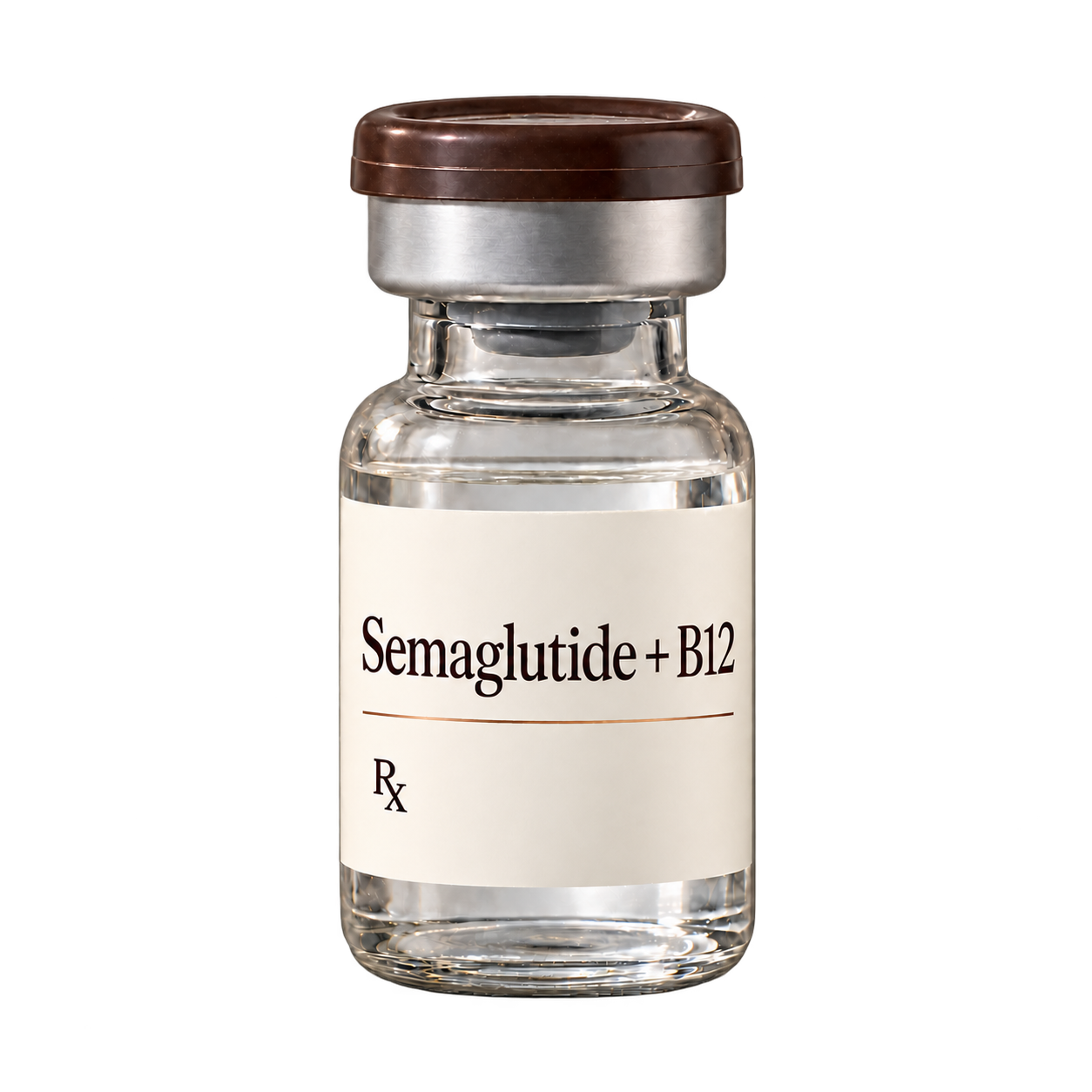
If you searched for an ozempic to zepbound conversion chart, you are probably looking for a simple dose swap. The FDA labels do not provide a direct conversion between Ozempic (semaglutide) and Zepbound (tirzepatide), so switching is a clinician decision that uses labeled starting and titration schedules. This page summarizes what the prescribing information does and does not say, so you can have a safer conversation with your prescriber. Vitals Vault also offers education tools and care options, but dose changes should always be handled by a licensed clinician.
- There is no FDA-approved Ozempic to Zepbound conversion chart or 1:1 dose equivalent.
- Switching is usually done by restarting Zepbound at its labeled starting dose and titrating per label.
- Your clinician considers your last dose, side effects, diabetes status, and other medicines before switching.
- Both medicines can cause GI side effects and share key warnings like pancreatitis and gallbladder disease.
Is there an Ozempic to Zepbound conversion chart?
| Question | What the labels say |
|---|---|
| Is there a 1:1 dose conversion? | No. Neither label includes a conversion chart between semaglutide and tirzepatide. |
| Is there a labeled starting dose and titration schedule? | Yes. Each product has its own labeled initiation and dose-escalation schedule. |
| Does the label tell you how to switch from another GLP-1 medicine? | Not as a direct conversion. Switching is not presented as a dose-equivalence calculation. |
Why there is no 1:1 conversion (and what clinicians use instead)
Different active ingredients
Ozempic contains semaglutide, while Zepbound contains tirzepatide. They are not the same molecule, and they do not have a labeled dose equivalency. That is why a chart that claims direct conversion is not supported by FDA labeling.
Different receptors targeted
Semaglutide is a GLP-1 receptor agonist. Tirzepatide is a dual GIP and GLP-1 receptor agonist. Because the mechanisms differ, the same milligram number does not mean the same effect or side effect risk.
Tolerability drives titration
Both products use gradual dose escalation in their labels to reduce gastrointestinal side effects like nausea and vomiting. When switching, clinicians often prioritize tolerability, especially if you had side effects on your prior GLP-1 medicine.
Diabetes medicines change the risk picture
If you use insulin or a sulfonylurea, GLP-1 based medicines can increase the risk of low blood sugar when combined, and dose adjustments of the other diabetes medicines may be needed. This is a key reason switching should be clinician-managed, not chart-based.
Compounded products are not interchangeable
Compounded semaglutide and compounded tirzepatide are prepared by a pharmacy for an individual prescription and are not FDA-approved. Strength, dosing instructions, and supplies can differ by pharmacy, so your prescriber and dispensing pharmacy should guide any transition.
When to talk to a clinician before switching
You had severe GI symptoms
If you had persistent vomiting, severe abdominal pain, or could not keep fluids down, talk with your prescriber before any switch. Dehydration can worsen kidney function, and severe abdominal pain can be a warning sign for pancreatitis or gallbladder problems.
You have diabetes or take insulin
Switching between GLP-1 based medicines can change blood sugar control and the risk of hypoglycemia when combined with insulin or sulfonylureas. Your clinician may need a plan for glucose monitoring and potential adjustments to other diabetes medicines.
You have thyroid cancer history
These medicines have a boxed warning about thyroid C-cell tumors and should not be used in people with a personal or family history of medullary thyroid carcinoma or in people with MEN 2. Confirm your history with your clinician before starting or switching.
You are pregnant or planning pregnancy
Weight loss medicines are not recommended in pregnancy, and GLP-1 based medicines have specific label guidance about pregnancy and stopping before a planned pregnancy. Ask your clinician how this applies to you before making changes.
You use a compounded product
If your semaglutide or tirzepatide is compounded, do not assume the same dosing schedule as a brand pen. Your prescriber and the dispensing pharmacy should provide the exact instructions for your prescription and supplies.
Practical tips for a safer switching discussion
Bring your last dose details
Share your last injection date, dose, and how you tolerated it.
List other diabetes medicines
Insulin and sulfonylureas matter for low blood sugar risk.
Describe side effects clearly
Note nausea, vomiting, constipation, reflux, or appetite changes.
Ask about restart and titration
Confirm the labeled starting plan and how follow-ups are handled.
Confirm what product you have
Brand pens and compounded prescriptions can have different instructions.
Frequently Asked Questions
Is there an ozempic to zepbound conversion chart?
No FDA label provides a conversion chart or dose equivalency between Ozempic (semaglutide) and Zepbound (tirzepatide). Switching is typically done using each product’s labeled starting and titration schedule, with clinician judgment based on your history.
Why do some websites show a 1:1 conversion table?
Those tables are not part of FDA prescribing information and can miss key factors like side effects, diabetes medicines, and contraindications. Your prescriber should use the official labels and your clinical response instead of a fixed chart.
Do you usually restart at the Zepbound starting dose when switching?
Zepbound’s label includes a specific starting dose and stepwise titration schedule, which is often the safest reference point for a switch. Your clinician may modify the plan based on tolerability and other medicines, but that decision is individualized.
Can I switch from Ozempic to compounded tirzepatide and use the same chart?
No. Compounded tirzepatide is not FDA-approved and is not interchangeable with a brand pen schedule. Your prescribing clinician and the dispensing pharmacy should provide the exact dosing instructions for your compounded prescription.
What side effects should I watch for after a switch?
Both medicines commonly cause nausea, vomiting, diarrhea, constipation, and abdominal discomfort. Contact a clinician urgently for severe abdominal pain (possible pancreatitis or gallbladder disease), signs of allergic reaction, or dehydration with reduced urination, as described in the labels.