
Ozempic side effects in males: common vs serious
Ozempic side effects in males are usually digestive, but rare serious risks exist. Know warning signs and when to call a clinician.
Key facts
- Semaglutide + B12 is $157/month (billed $157 every 4 weeks), charged only after a clinician approves it.
- Answer a few health questions online. A licensed clinician reviews them. If approved, it ships to your door.
- Adults 18 or older. A licensed clinician reviews your health history and decides whether treatment is appropriate for you. Availability depends on the state you live in.


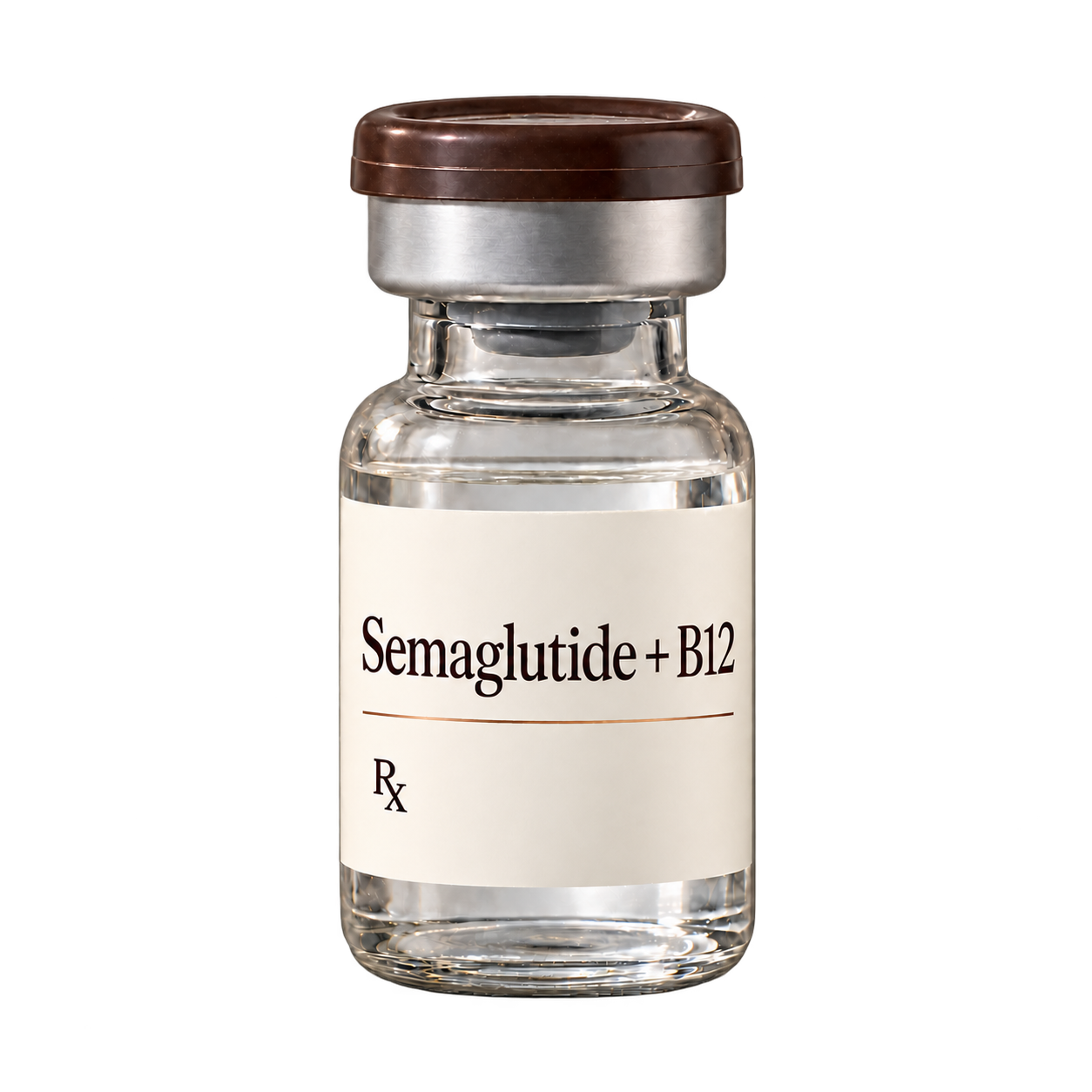
If you searched for ozempic side effects in males, the short answer is that most side effects are the same in men and women and are mainly digestive. Many people notice nausea, diarrhea, constipation, vomiting, or stomach discomfort, especially when starting or increasing the dose. This guide summarizes what is known from Ozempic prescribing information and what to do with symptoms. Vitals Vault also includes lab and PocketMD options to help you check possible contributors and decide when it is time to contact a clinician.
- Ozempic side effects in males are usually nausea, diarrhea, constipation, vomiting, or stomach pain.
- Side effects are not male-specific, but men may notice appetite changes, reflux, and dehydration effects during workouts.
- Seek urgent care for severe belly pain, allergic reaction signs, or symptoms of very low blood sugar.
- A boxed warning exists for thyroid C-cell tumors; avoid if you or family had medullary thyroid cancer.
- Compounded semaglutide is not Ozempic and is not FDA-approved.
Quick answer: what men most often notice
Mostly digestive symptoms
In males, the most common Ozempic side effects are nausea, diarrhea, stomach pain, vomiting, and constipation. These are listed as the most common adverse reactions in the Ozempic label and are not unique to men.
Appetite and fullness changes
Ozempic slows stomach emptying and reduces appetite for many people, which can feel like early fullness, reduced interest in food, or occasional reflux. If you are eating less, dehydration and low blood sugar can become more likely, especially with intense exercise or alcohol.
Rare but serious risks
Serious side effects are uncommon but important to recognize, including pancreatitis, gallbladder disease, kidney problems from dehydration, severe allergic reactions, and very low blood sugar when used with insulin or sulfonylureas. Ozempic also carries a boxed warning about thyroid C-cell tumors.
Details: common vs serious side effects in males
Nausea
Nausea is one of the most common side effects reported with Ozempic. It is often most noticeable when starting treatment or after a dose increase. If nausea is persistent, limits fluids, or comes with severe abdominal pain, contact a clinician to rule out complications like pancreatitis.
Diarrhea or constipation
Diarrhea and constipation are both common with Ozempic. Either can contribute to dehydration, which matters more if you sweat heavily, work outdoors, or train hard. Ongoing diarrhea, dizziness, or reduced urination are reasons to contact a clinician because dehydration can worsen kidney function.
Vomiting and stomach pain
Vomiting and abdominal pain are listed among common adverse reactions. Repeated vomiting can quickly cause dehydration and electrolyte problems. Severe, persistent abdominal pain (with or without vomiting) is a red flag for pancreatitis and needs urgent medical evaluation.
Low blood sugar (hypoglycemia)
Ozempic can increase the risk of low blood sugar when used with insulin or medicines called sulfonylureas. Symptoms can include sweating, shakiness, confusion, fast heartbeat, or fainting. Very low blood sugar can be an emergency, so seek urgent help if symptoms are severe or you cannot safely take carbohydrates.
Pancreatitis
Acute pancreatitis has been reported with GLP-1 receptor agonists including semaglutide. Seek urgent care for severe, persistent abdominal pain that may radiate to the back and may be accompanied by vomiting. Do not ignore this symptom pattern, even if you think it is reflux or a stomach bug.
Gallbladder problems
Gallbladder disease, including gallstones (cholelithiasis) and gallbladder inflammation (cholecystitis), has been reported with semaglutide. Contact a clinician for right upper abdominal pain, fever, yellowing of the skin or eyes, or clay-colored stools, especially if symptoms recur after meals.
Kidney problems from dehydration
Acute kidney injury has been reported, sometimes in the setting of nausea, vomiting, diarrhea, or dehydration. This can matter for men who do strenuous activity, use sauna or hot environments, or take other medicines that affect the kidneys. Get medical advice if you cannot keep fluids down or notice markedly reduced urination.
Allergic reactions
Serious hypersensitivity reactions, including anaphylaxis and angioedema, have been reported. Seek emergency care for trouble breathing, swelling of the face or throat, or widespread hives. Mild rash should still be discussed with a clinician because reactions can worsen with re-exposure.
Diabetic eye disease changes
In people with type 2 diabetes, worsening of diabetic retinopathy has been observed in a semaglutide cardiovascular outcomes trial. If you have diabetes and notice new vision changes, floaters, or blurred vision, contact your eye clinician promptly. This is especially important if your blood sugar improves quickly.
Thyroid C-cell tumor warning
Ozempic has a boxed warning because semaglutide caused thyroid C-cell tumors in rodents, and it is unknown whether it causes these tumors in humans. Do not use if you or a family member has medullary thyroid carcinoma or if you have MEN 2. Report a neck lump, hoarseness, trouble swallowing, or shortness of breath to a clinician.
When to call a clinician vs seek urgent care
| Symptom pattern | Why it matters | What to do |
|---|---|---|
| Severe, persistent abdominal pain with or without vomiting | Could be pancreatitis, a labeled serious risk | Seek urgent medical evaluation |
| Trouble breathing, face or throat swelling, widespread hives | Could be anaphylaxis or angioedema | Call emergency services or go to the ER |
| Repeated vomiting or diarrhea, dizziness, very low urine output | Dehydration can trigger kidney injury | Contact urgent care or your clinician the same day |
| Symptoms of low blood sugar, especially on insulin or sulfonylurea | Risk increases with certain diabetes medicines | Treat as urgent if severe; otherwise contact your clinician |
| New vision changes (diabetes) | Diabetic retinopathy complications were observed in trials | Contact your eye clinician promptly |
Pro tips to reduce side effect burden
Prioritize hydration
If you have diarrhea or vomiting, dehydration can worsen fatigue, headaches, and kidney strain.
Watch alcohol and heavy meals
Alcohol and large, high-fat meals can worsen nausea and reflux for some people.
Plan workouts around symptoms
If nausea is strong, intense training can feel harder and may increase dehydration risk.
Review other diabetes meds
If you use insulin or a sulfonylurea, ask about hypoglycemia risk and monitoring.
Do not ignore red flags
Severe abdominal pain, allergic reaction signs, or severe low blood sugar need urgent evaluation.
Frequently Asked Questions
Are ozempic side effects in males different than in females?
Most listed side effects are not sex-specific and are mainly digestive, such as nausea, diarrhea, constipation, vomiting, and abdominal pain. Individual experience can still vary based on dose changes, diet, other medicines, and underlying conditions.
What are the most common Ozempic side effects men report?
The Ozempic label lists nausea, diarrhea, abdominal pain, vomiting, and constipation among the most common adverse reactions. Men may also notice appetite changes and reflux-like symptoms because semaglutide can slow stomach emptying.
When should a man go to the ER for Ozempic side effects?
Seek urgent care for severe, persistent abdominal pain with or without vomiting, which can signal pancreatitis. Also treat trouble breathing, face or throat swelling, or widespread hives as an emergency because these can be signs of a severe allergic reaction.
Can Ozempic cause low blood sugar in men?
Ozempic can increase the risk of hypoglycemia when used with insulin or sulfonylureas. If you have symptoms like shakiness, sweating, confusion, or fainting, contact a clinician promptly and seek urgent care if symptoms are severe.
Is compounded semaglutide the same as Ozempic?
No. Ozempic is a brand product, while compounded semaglutide is prepared by a pharmacy for an individual prescription and is not FDA-approved. If you are considering compounded semaglutide through Vitals Vault, a licensed clinician reviews your history and decides if it is appropriate, and availability depends on your state.