
Ozempic long term side effects: what lasts
Ozempic long term side effects are often ongoing nausea, diarrhea or constipation. Rare serious risks include pancreatitis, gallbladder disease, kidney.
Key facts
- Semaglutide + B12 is $157/month (billed $157 every 4 weeks), charged only after a clinician approves it.
- Answer a few health questions online. A licensed clinician reviews them. If approved, it ships to your door.
- Adults 18 or older. A licensed clinician reviews your health history and decides whether treatment is appropriate for you. Availability depends on the state you live in.


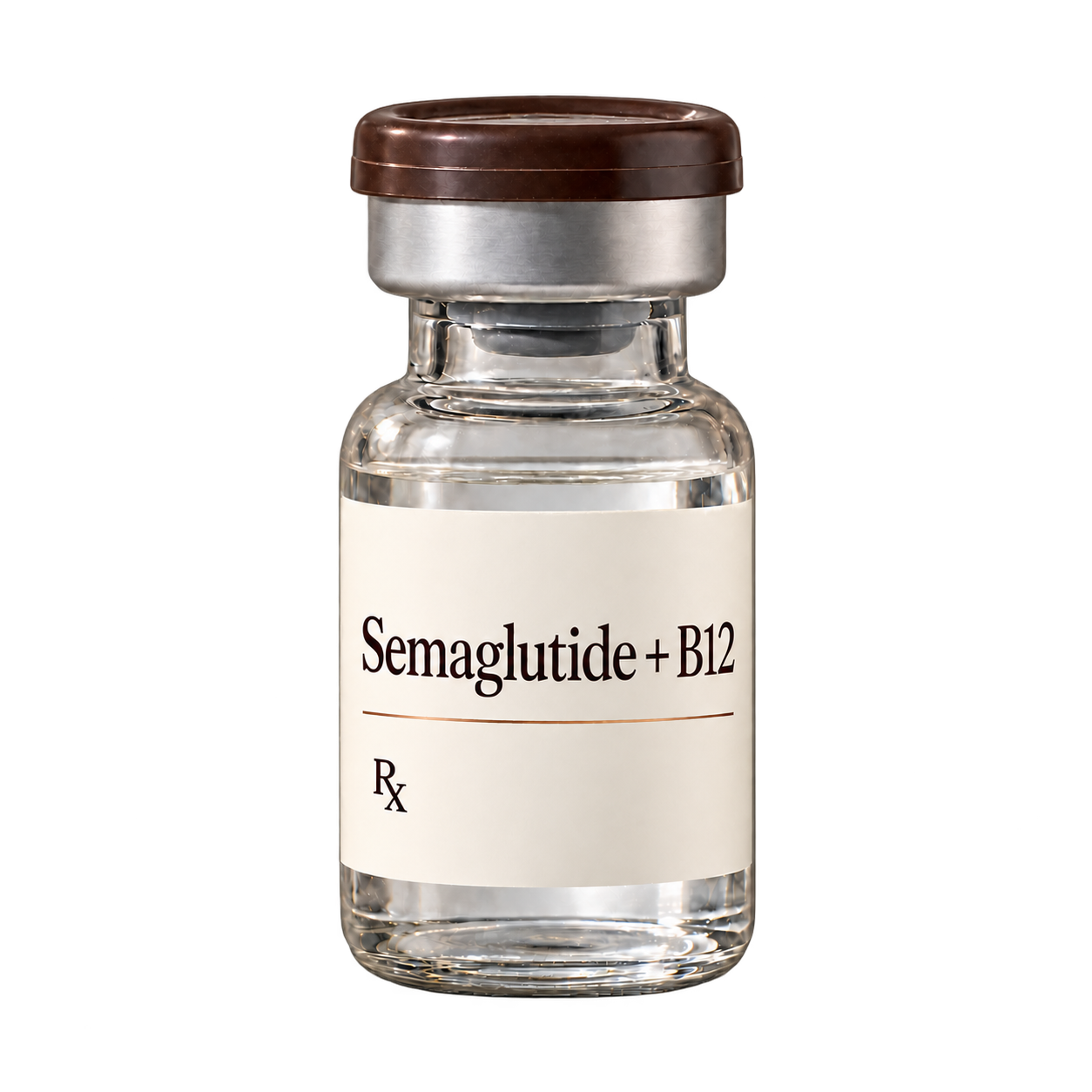
People search for ozempic long term side effects because some symptoms can linger, and a few uncommon complications can be serious. The best evidence comes from the FDA prescribing information for Ozempic (semaglutide) and longer follow up from semaglutide trials. This guide explains which effects may persist while you stay on treatment, what warning signs should prompt a call to a clinician or urgent care, and which labs may help check for complications. If you use Vitals Vault, you can order labs and share results with a clinician.
- Ozempic long term side effects are usually ongoing GI symptoms while you take it.
- Most side effects improve after dose changes or stopping, but severe symptoms need evaluation.
- Rare serious risks include pancreatitis, gallbladder disease, kidney injury and thyroid C-cell tumor warning.
- Seek urgent care for severe belly pain, repeated vomiting, dehydration signs or jaundice.
Ozempic long term side effects: the direct answer
Ongoing GI symptoms
Nausea, diarrhea, constipation, stomach pain and vomiting are among the most common adverse reactions and can persist for some people while they stay on treatment. Symptoms are often worse during dose increases. Persistent vomiting or inability to keep fluids down can become dangerous because of dehydration.
Gallbladder problems
Acute gallbladder disease has been reported with semaglutide. Seek care for right upper abdominal pain, fever, or yellowing of the skin or eyes. These problems may require lab testing and imaging, and treatment depends on the cause and severity.
Pancreatitis
Acute pancreatitis has been reported with Ozempic. Get urgent evaluation for severe, persistent abdominal pain that may radiate to the back, with or without vomiting. Clinicians typically evaluate promptly and decide whether the medication should be stopped.
Kidney injury from dehydration
Acute kidney injury and worsening chronic kidney disease have been reported, sometimes in the setting of nausea, vomiting or diarrhea that leads to dehydration. This risk can matter more if you already have kidney disease or take medicines that affect fluid balance. Same day care for dehydration can help prevent complications.
Thyroid C-cell tumor warning
Ozempic has a boxed warning about thyroid C-cell tumors based on rodent studies; it is unknown whether semaglutide causes these tumors in humans. Do not use Ozempic if you or a family member has medullary thyroid carcinoma (MTC) or if you have MEN 2. Tell a clinician about a neck lump, hoarseness, trouble swallowing or shortness of breath.
Which effects can last, and what they can mean
| Effect | How it may show up | Why it matters | What clinicians may check |
|---|---|---|---|
| Nausea, vomiting, diarrhea, constipation (common) | Ongoing stomach upset, reduced appetite, reflux, trouble tolerating meals | Can impair nutrition and cause dehydration, which can affect kidneys | Hydration status, electrolytes and kidney function if symptoms are significant |
| Gallbladder disease (serious) | Right upper abdominal pain, pain after meals, fever, jaundice | Can progress to infection or pancreatitis | Liver tests and ultrasound or other imaging |
| Pancreatitis (serious) | Severe persistent abdominal pain, sometimes radiating to back, vomiting | Can be life-threatening and needs urgent care | Pancreatic enzymes such as lipase and abdominal evaluation |
| Acute kidney injury (serious) | Low urine output, dizziness, weakness, confusion | Often triggered by dehydration from GI side effects | Kidney function tests and electrolytes |
| Diabetic retinopathy complications (serious) | New or worsening blurry vision, floaters, vision loss | Rapid glucose improvement can temporarily worsen retinopathy in some patients | Eye exam and diabetes management review |
| Low blood sugar with insulin or sulfonylureas (serious) | Sweating, shakiness, confusion, fainting | Risk rises when used with insulin or sulfonylureas | Medication review and glucose monitoring plan |
GI side effects that do not fade
In clinical trials, nausea, vomiting and diarrhea were among the most frequently reported adverse reactions. Some people continue to have symptoms long term, especially around dose increases. Ongoing symptoms are a reason to discuss supportive care and whether the medication still fits your goals.
Severe slowing of digestion
Semaglutide slows stomach emptying, which is part of how it affects appetite and blood sugar. For some people, this can feel like severe fullness, bloating, reflux or vomiting. If symptoms are persistent or severe, clinicians may evaluate for other causes and reassess risks and benefits.
Gallbladder and bile duct issues
Gallbladder problems can be intermittent and mistaken for indigestion. Because complications can escalate, persistent upper abdominal pain, fever or jaundice should be evaluated promptly. Your clinician may check liver tests and order imaging based on symptoms.
Pancreatitis warning signs
Pancreatitis is uncommon but important because it can worsen quickly. The classic warning sign is severe, persistent abdominal pain, sometimes with vomiting. A clinician may order lipase and imaging and will also look for other causes such as gallstones or high triglycerides.
Kidney problems tied to dehydration
Postmarketing reports describe acute kidney injury and worsening chronic kidney disease, often in people who had nausea, vomiting or diarrhea. If you cannot keep fluids down, you may need same day care to prevent dehydration-related complications. Kidney function and electrolytes are typically checked when symptoms are significant.
Thyroid tumor boxed warning context
The boxed warning is based on thyroid C-cell tumors seen in rodents given semaglutide. Human relevance is unknown, but the contraindication for personal or family history of MTC or MEN 2 is strict. New neck swelling, hoarseness or trouble swallowing should be evaluated.
When to call a clinician or seek urgent care
Severe belly pain or repeated vomiting
Get urgent evaluation for severe, persistent abdominal pain, especially if it radiates to your back or comes with vomiting. This can be a sign of pancreatitis or gallbladder disease. Do not wait on symptoms that prevent you from drinking fluids.
Signs of dehydration or kidney trouble
Call the same day for dizziness, fainting, very low urine output, confusion, or ongoing diarrhea or vomiting. Dehydration can worsen kidney function, particularly if you already have kidney disease. Clinicians may check electrolytes and kidney labs and help you rehydrate safely.
Yellow skin or eyes, fever, dark urine
These symptoms can suggest gallbladder or bile duct problems and should be evaluated promptly. They are not typical long term GI side effects. Imaging and liver tests may be needed to rule out obstruction or infection.
Vision changes
If you have diabetes and notice new or worsening blurry vision, floaters or vision loss, contact a clinician quickly. Ozempic labeling notes diabetic retinopathy complications in some patients. An eye exam may be needed.
Neck lump or hoarseness
Report a new neck mass, persistent hoarseness, trouble swallowing or shortness of breath. Ozempic carries a boxed warning about thyroid C-cell tumors and is contraindicated with personal or family history of MTC or MEN 2. A clinician can decide what evaluation is appropriate.
Pro tips for safer long term use
Track patterns, not one-offs
Note when symptoms happen, what you ate, and whether you are staying hydrated.
Treat dehydration as urgent
If you cannot keep fluids down, contact a clinician the same day.
Do not ignore upper belly pain
Right-sided pain, fever or jaundice can signal gallbladder problems.
Review other meds and conditions
Kidney disease, diabetes meds and GI disorders can change your risk profile.
Ask what monitoring you need
Your clinician may recommend periodic labs or an eye exam based on history.
Frequently Asked Questions
What are ozempic long term side effects?
Most long term effects are ongoing GI symptoms such as nausea, diarrhea or constipation while you are taking semaglutide. Rare but serious risks include pancreatitis, gallbladder disease, kidney injury (often tied to dehydration) and a boxed warning about thyroid C-cell tumors.
Are the long-term side effects of Ozempic permanent?
Many side effects, especially nausea and other GI symptoms, improve after dose changes or stopping the medication. Some complications, like pancreatitis or gallbladder disease, can have lasting consequences, which is why severe symptoms need prompt evaluation.
Can Ozempic cause pancreatitis long term?
Acute pancreatitis has been reported with Ozempic and other GLP-1 receptor agonists. It is uncommon, but it is serious, so severe and persistent abdominal pain with or without vomiting should be evaluated urgently, often with labs such as lipase.
Does Ozempic affect the kidneys over time?
Ozempic labeling reports acute kidney injury and worsening chronic kidney disease, sometimes in people with significant nausea, vomiting or diarrhea leading to dehydration. If you have kidney disease or cannot keep fluids down, contact a clinician promptly for evaluation.
What labs can help check Ozempic side effect risks?
If symptoms suggest dehydration or kidney stress, clinicians often check electrolytes and kidney function. If severe abdominal pain raises concern for pancreatitis, a clinician may order pancreatic enzymes such as lipase and decide whether imaging is needed.