
Ozempic side effects in females: common and serious
Ozempic side effects in females are usually digestive, but some are serious. Know what is common and what needs urgent care.
Key facts
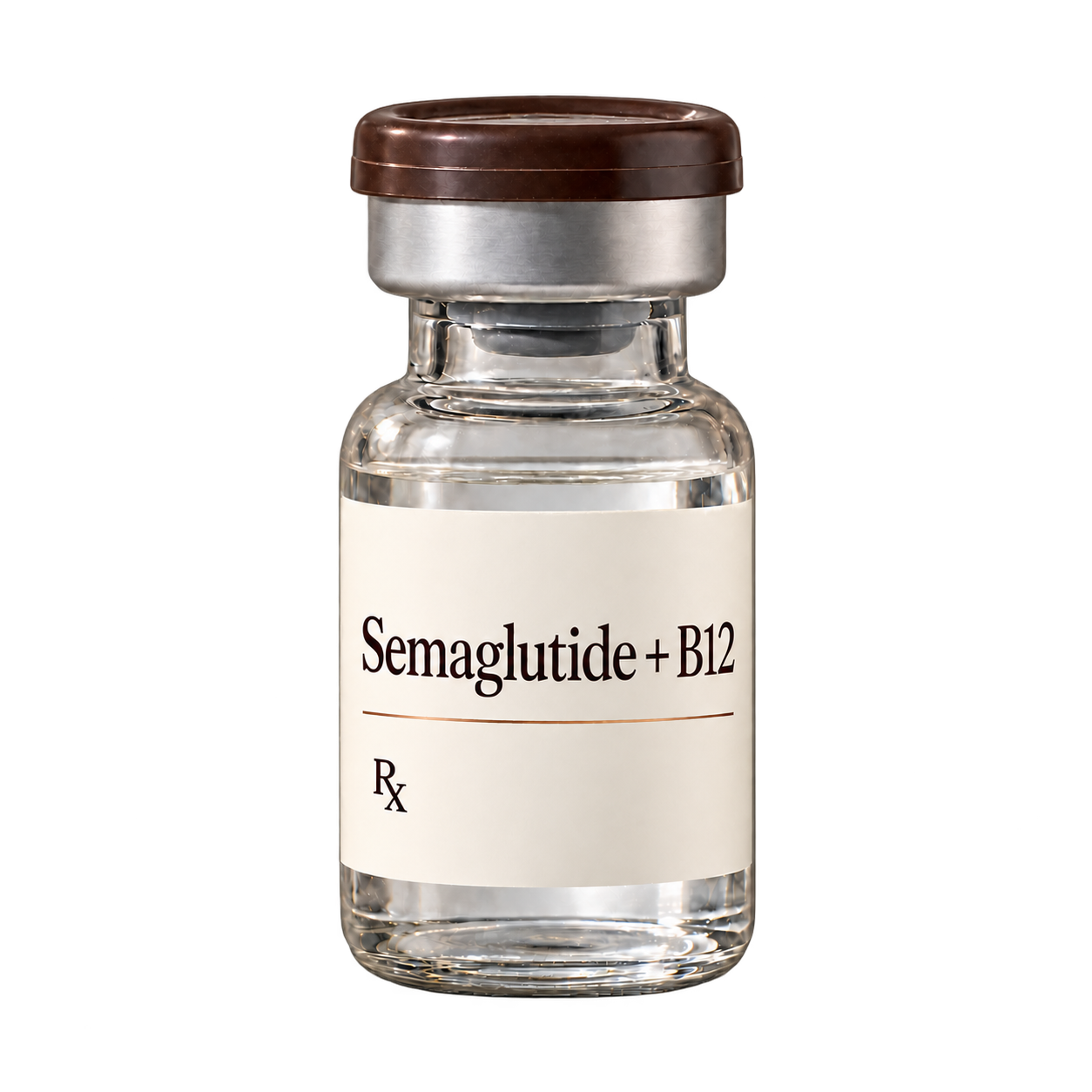
- Semaglutide + B12 is $157/month (billed $157 every 4 weeks), charged only after a clinician approves it.
- Answer a few health questions online. A licensed clinician reviews them. If approved, it ships to your door.
- Adults 18 or older. A licensed clinician reviews your health history and decides whether treatment is appropriate for you. Availability depends on the state you live in.





If you searched for ozempic side effects in females, you likely want a clear list of what is common, what is serious, and what to do next. Most side effects reported with Ozempic (semaglutide) are digestive and may improve as your body adjusts, but some symptoms need prompt medical attention. This guide summarizes side effects and warnings from the Ozempic FDA prescribing information and patient materials, plus what they can mean in day to day life.
- Ozempic side effects in females are often nausea, vomiting, diarrhea, constipation, or stomach pain.
- Side effects are not “female-only”, but pregnancy, contraception, and gallbladder risk can change decisions.
- Call a clinician for persistent vomiting, dehydration, severe belly pain, or signs of gallbladder problems.
- Seek urgent care for possible allergic reaction, severe weakness, fainting, or confusion.
Are Ozempic side effects different in females?
- Active ingredient
- Semaglutide (a GLP-1 receptor agonist).
- What “GLP-1” means
- It mimics a natural hormone that affects appetite, stomach emptying, and blood sugar.
- Where side effect info comes from
- FDA-approved Ozempic prescribing information and patient labeling.
Common and serious side effects to know
Nausea and vomiting
Nausea is one of the most common side effects reported with Ozempic, and some people also vomit. It often happens when starting or after a dose increase and may improve over time. If you cannot keep fluids down or you feel dizzy or faint, contact a clinician promptly to avoid dehydration.
Diarrhea or constipation
Diarrhea and constipation are common and can alternate. Staying hydrated and adjusting food choices may help, but persistent symptoms can lead to dehydration or electrolyte problems. If diarrhea is severe, bloody, or lasts more than a few days, call a clinician.
Stomach pain and indigestion
Abdominal pain, upset stomach, and reflux-like symptoms can occur. Mild discomfort can be expected, but severe or worsening pain is not something to ignore. New severe belly pain, especially with vomiting, needs medical evaluation.
Gallbladder problems
GLP-1 medicines including Ozempic have warnings about acute gallbladder disease. Symptoms can include right upper belly pain, fever, nausea, vomiting, or yellowing of the skin or eyes. Seek prompt care if these occur because gallbladder inflammation or gallstones can become serious.
Pancreatitis
Ozempic carries a warning for pancreatitis (inflammation of the pancreas). Get medical care right away for severe abdominal pain that may radiate to the back, with or without vomiting. A clinician will decide whether the medication should be continued based on evaluation.
Kidney problems from dehydration
The label warns that worsening kidney function has occurred, sometimes in people who had nausea, vomiting, or diarrhea leading to dehydration. If you have reduced urination, swelling, unusual fatigue, or ongoing vomiting or diarrhea, contact a clinician promptly. This is especially important if you already have kidney disease.
Low blood sugar with other diabetes meds
Ozempic can increase the risk of low blood sugar when used with insulin or insulin secretagogues (such as sulfonylureas). Symptoms can include shakiness, sweating, fast heartbeat, hunger, confusion, or fainting. If you use other glucose-lowering medicines, ask your prescriber how to monitor and what to do if symptoms occur.
Thyroid C-cell tumor warning
Ozempic has a boxed warning about thyroid C-cell tumors seen in rodents, and it is unknown whether this risk applies to humans. Do not use it if you have a personal or family history of medullary thyroid carcinoma or MEN 2. Call a clinician for a neck lump, hoarseness, trouble swallowing, or shortness of breath.
Allergic reactions
Serious hypersensitivity reactions have been reported. Seek urgent care for trouble breathing, swelling of the face or throat, severe rash, or feeling like you might pass out. Tell your clinician about any prior reactions to semaglutide or similar medicines.
Diabetic eye disease changes
The prescribing information warns about diabetic retinopathy complications in people with type 2 diabetes, especially if retinopathy is already present. Contact your eye clinician promptly for sudden vision changes, new floaters, or blurred vision. Regular eye care matters if you have diabetes.
When to call a clinician or seek urgent care
| What you notice | Why it matters | What to do |
|---|---|---|
| Severe belly pain, with or without vomiting | Could be pancreatitis or gallbladder disease | Seek urgent medical evaluation |
| Vomiting or diarrhea that will not stop, dizziness, very dark urine | Dehydration can worsen kidney function | Call a clinician promptly; urgent care if severe |
| Neck lump, hoarseness, trouble swallowing | Possible thyroid issue; boxed warning context | Call a clinician promptly |
| Shakiness, sweating, confusion, fainting (especially if on insulin or sulfonylurea) | Possible low blood sugar | Follow your diabetes plan; seek urgent care if severe |
| Swelling of face or throat, trouble breathing, widespread rash | Possible serious allergic reaction | Seek emergency care |
Pro tips for tracking side effects
Write down timing
Note when symptoms start, how long they last, and what you ate or drank.
Track hydration
If you are vomiting or have diarrhea, watch for dehydration signs and reduced urination.
List all meds
Bring a full list, especially insulin or sulfonylureas, to discuss low blood sugar risk.
Do not ignore severe pain
Severe abdominal pain is not a normal adjustment symptom and needs evaluation.
Ask about pregnancy plans
If pregnancy is possible, discuss timing, contraception, and safer alternatives with a clinician.
Frequently Asked Questions
What are the most common Ozempic side effects in females?
The most commonly reported Ozempic side effects include nausea, vomiting, diarrhea, constipation, abdominal pain, and decreased appetite. These are not female-only effects, but they are common reasons people seek help. Contact a clinician if symptoms are persistent or severe.
Are Ozempic side effects worse in women than men?
The FDA labeling does not describe a separate side effect list for women versus men. Individual factors like dose changes, other medications, and medical history can make symptoms feel more or less intense. A clinician can help interpret your symptoms and risks.
When should I go to the ER for Ozempic side effects?
Seek emergency care for trouble breathing or swelling of the face or throat (possible allergic reaction), fainting, confusion, or severe weakness. Also get urgent evaluation for severe abdominal pain, with or without vomiting, because pancreatitis or gallbladder disease can be serious. If you are unsure, it is safer to be evaluated.
Can Ozempic affect pregnancy or breastfeeding?
If you are pregnant, trying to become pregnant, or breastfeeding, talk with a clinician before using semaglutide. Decisions depend on your health goals and alternatives, and the risks and benefits should be reviewed for your situation. Do not make changes without medical guidance.
How can Vitals Vault help if I am having side effects?
Vitals Vault can help you start with labs to check for other contributors to symptoms and give you results to share with a clinician. You can also use PocketMD to ask questions based on your own health history and learn when to seek care. Treatment options, when appropriate, include clinician consults and ongoing support.