
What to eat on semaglutide: a practical guide
What to eat on semaglutide: prioritize protein, fiber and fluids, choose smaller meals, and limit greasy foods to reduce nausea.
Key facts
- Semaglutide + B12 is $157/month (billed $157 every 4 weeks), charged only after a clinician approves it.
- Answer a few health questions online. A licensed clinician reviews them. If approved, it ships to your door.
- Adults 18 or older. A licensed clinician reviews your health history and decides whether treatment is appropriate for you. Availability depends on the state you live in.





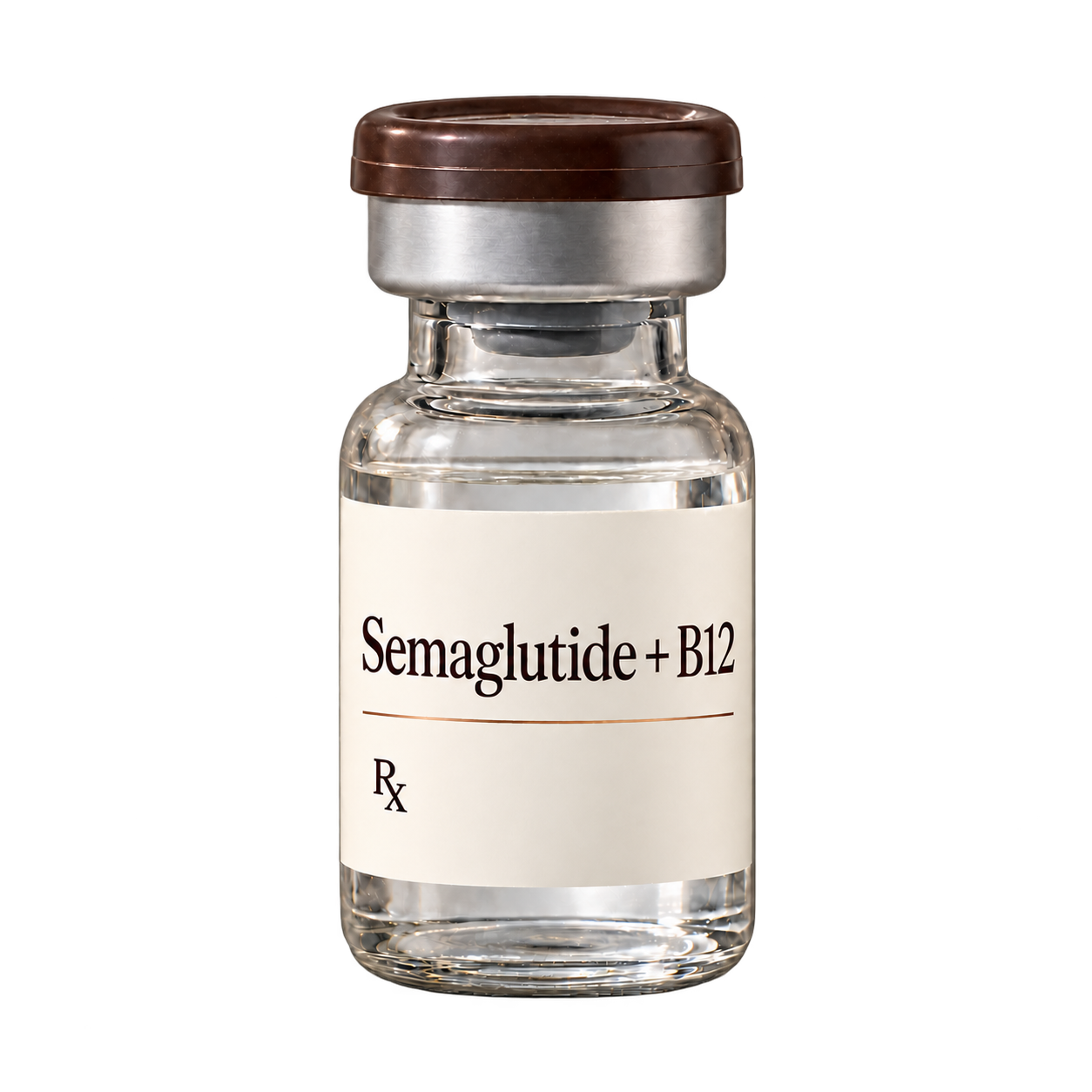
Semaglutide can make you feel full sooner and stay full longer, so the best diet is usually one that is smaller in volume, higher in protein, and easier on your stomach. The goal is to meet nutrition needs even when your appetite drops, while minimizing side effects like nausea, reflux, and constipation. This guide shares practical food choices and habits that tend to work well with semaglutide.
- What to eat on semaglutide: small, protein forward meals with fiber and fluids, and avoid greasy trigger foods.
- Nausea and constipation are common, so meal size, fat content and hydration matter.
- Aim for steady protein and nutrient dense foods to protect muscle while appetite is lower.
- Seek medical advice for severe belly pain, dehydration, or ongoing vomiting.
What to eat on semaglutide
Build meals around protein
Start with a protein food at each meal, then add produce and a slow digesting carbohydrate if you want it. Semaglutide reduces appetite, so protein helps you meet needs with less food. If nausea is an issue, try bland protein options first.
Add fiber gently
Fiber can support regular bowel movements, but increasing it too fast can worsen bloating. Add fiber gradually using foods like vegetables, beans, oats, berries, and chia. Pair fiber with fluids to reduce constipation risk.
Choose lower fat, simpler foods
High fat meals can feel heavy when stomach emptying is slower, which may worsen nausea or reflux. Many people tolerate baked, grilled, or steamed foods better than fried foods. If you want higher fat foods, try smaller portions and see how you feel.
Prioritize fluids and electrolytes
Eating less can also mean drinking less, and dehydration can worsen constipation and dizziness. Sip fluids throughout the day, especially if you are having nausea. If you are vomiting or have diarrhea, ask a clinician about oral rehydration options.
Food choices that usually go best
| If this triggers symptoms | Try this instead | Why it may help |
|---|---|---|
| Fried or greasy meals | Baked or grilled lean protein plus cooked vegetables | Lower fat meals may be easier when gastric emptying is slowed. |
| Large portions | Smaller meals or mini meals spaced out | Fullness can arrive quickly, and overeating can worsen nausea. |
| Very spicy foods | Milder seasoning, ginger, or broth based soups | Irritation and reflux can feel worse when nausea is present. |
| Sugary drinks and desserts | Water, unsweetened tea, or fruit with yogurt | Liquid calories can be easy to overdo and may worsen GI upset. |
| Raw cruciferous vegetables when bloated | Cooked vegetables or peeled fruit | Cooking reduces volume and can improve tolerance. |
Nausea and vomiting
Nausea and vomiting are among the most common side effects reported with semaglutide in FDA labeling. Smaller meals, lower fat foods, and avoiding overeating often help. Contact a clinician if you cannot keep fluids down or symptoms are worsening.
Constipation
Constipation is also commonly reported with semaglutide in FDA labeling. Gradually increasing fiber, drinking enough fluids, and staying physically active can help. If you have severe constipation, belly swelling, or persistent pain, seek medical advice.
Diarrhea
Diarrhea can occur, especially during dose increases, according to FDA labeling. Focus on hydration and simpler foods until it settles. Get medical help if you see blood, have fever, or signs of dehydration.
Pancreatitis warning symptoms
Semaglutide labeling warns about acute pancreatitis. Seek urgent medical care for severe, persistent abdominal pain that may radiate to the back, with or without vomiting. Do not try to manage this at home with diet changes.
Gallbladder problems
GLP-1 medicines including semaglutide carry warnings about acute gallbladder disease in FDA labeling. Contact a clinician urgently for right upper belly pain, fever, or yellowing of skin or eyes. Rapid changes in intake can make it harder to notice early symptoms.
Kidney injury from dehydration
Semaglutide labeling warns that nausea, vomiting, or diarrhea can lead to dehydration and worsening kidney function. If you are unable to drink, feel faint, or urinate much less, seek medical care. This is especially important if you already have kidney disease.
When to talk to a clinician
You cannot keep fluids down
Persistent vomiting or inability to drink can lead to dehydration and kidney problems. Semaglutide labeling highlights dehydration related kidney risk. A clinician can advise on evaluation and symptom control.
Severe or persistent belly pain
Severe abdominal pain can be a warning sign for pancreatitis or gallbladder disease, both noted in semaglutide labeling. Seek urgent care rather than waiting for dietary changes to work. Tell the clinician you are using semaglutide.
Symptoms of low blood sugar
If you also use insulin or a sulfonylurea, semaglutide labeling notes a higher risk of hypoglycemia. Get help for shakiness, sweating, confusion, or fainting. Your clinician may need to adjust other diabetes medicines.
Trouble meeting nutrition needs
If you are consistently skipping meals, losing interest in food, or feeling weak, ask about a nutrition plan that fits your appetite. A clinician or dietitian can help you prioritize protein, fluids, and key micronutrients. Labs may be useful if deficiencies are a concern.
Pro tips for day to day eating
Eat slowly
Slower eating helps you notice fullness earlier and may reduce nausea.
Protein first
Start meals with protein so you get it in before you feel full.
Keep bland backups
Broth, yogurt, oatmeal, and crackers can help on nauseated days.
Plan for constipation
Add fiber gradually and pair it with fluids and daily movement.
Limit alcohol if it worsens symptoms
Alcohol can aggravate nausea and reflux and adds calories without nutrients.
Track triggers
Note which foods worsen nausea, reflux, or diarrhea, then adjust portions.
Frequently Asked Questions
What to eat on semaglutide if you feel nauseated?
Many people do better with smaller meals and lower fat, bland foods when nausea is present. Semaglutide labeling lists nausea and vomiting as common side effects, so avoiding large or greasy meals can help. Contact a clinician if you cannot keep fluids down.
What foods should you avoid on semaglutide?
There is no official forbidden food list in FDA labeling, but high fat, fried, very large, or very spicy meals commonly worsen nausea or reflux. Because semaglutide slows stomach emptying, heavy meals can feel uncomfortable. Adjust based on your symptoms and tolerance.
How can I prevent constipation while taking semaglutide?
Constipation is a common side effect in semaglutide labeling. Gradually increase fiber from foods like vegetables, beans, and oats, and drink enough fluids. If constipation is severe or comes with significant pain or swelling, contact a clinician.
Can I drink alcohol while using semaglutide?
FDA labeling does not list a universal alcohol ban, but alcohol can worsen nausea, reflux, and dehydration for some people. If you drink, consider smaller amounts and avoid drinking when you are already nauseated. Ask your clinician if you have diabetes or a history of pancreatitis.
When should I seek urgent care for stomach pain on semaglutide?
Seek urgent medical evaluation for severe, persistent abdominal pain that may radiate to your back, with or without vomiting. This is a labeled warning sign for pancreatitis with semaglutide. Also seek care for signs of dehydration such as very low urine output or faintness.