
NAD injection dosage: what to know
NAD injection dosing is not standardized or FDA labeled. Your clinician sets a plan based on goals, risks, and monitoring needs.
Key facts
- NAD+ Injection is $250/month (billed $250 every 4 weeks), charged only after a clinician approves it.
- Answer a few health questions online. A licensed clinician reviews them. If approved, it ships to your door.
- Adults 18 or older. A licensed clinician reviews your health history and decides whether treatment is appropriate for you. Availability depends on the state you live in.


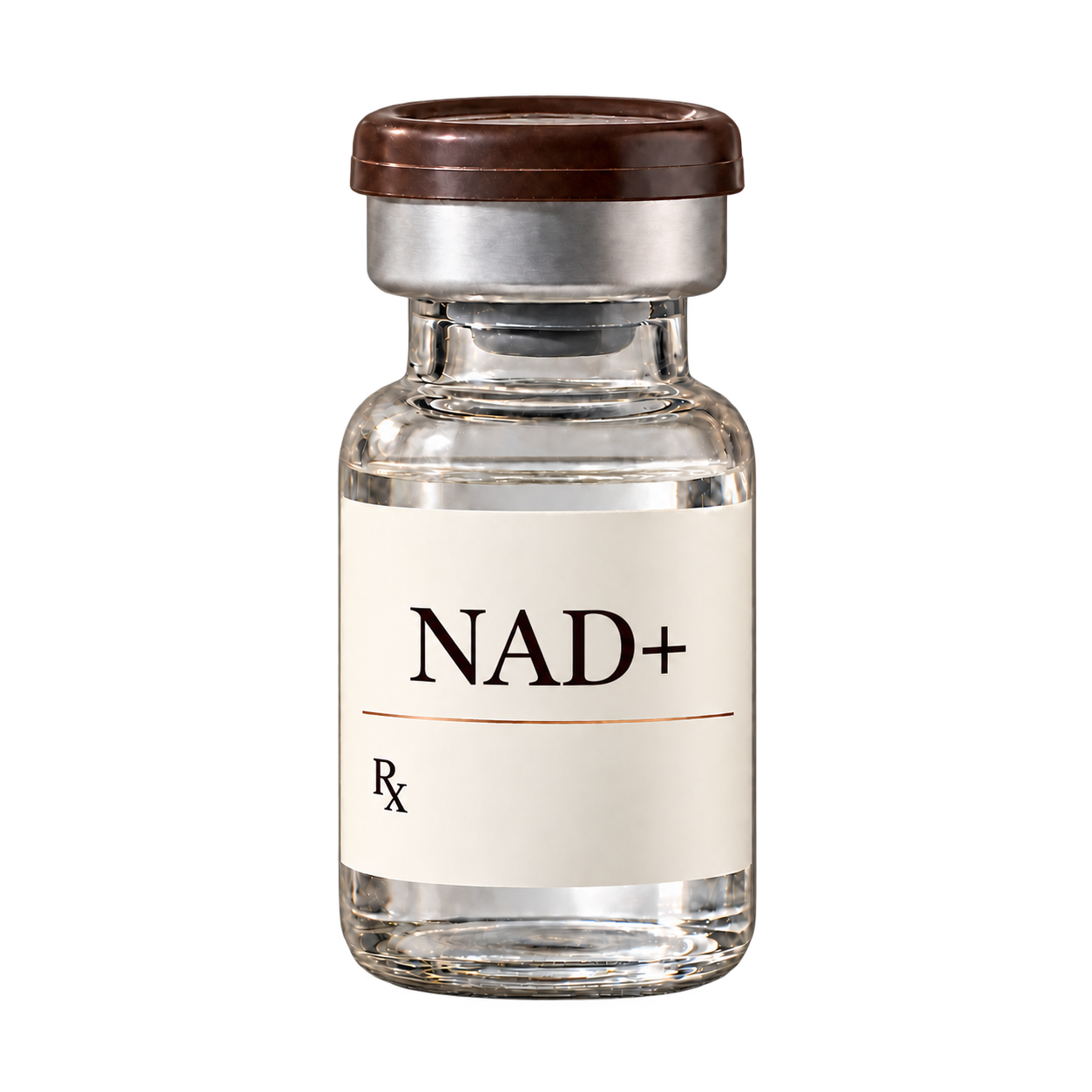
NAD injection usually refers to injectable nicotinamide adenine dinucleotide (NAD+), a molecule involved in cellular energy metabolism. Online dosing advice varies widely because there is no FDA approved NAD+ injection product with standardized prescribing information. This page explains what that means for dosing decisions and safety conversations. If you are considering NAD+ injections, Vitals Vault can help you ask better questions and understand what to monitor with a licensed clinician.
- There is no FDA labeled NAD injection dosage, so dosing is clinician determined.
- Most NAD+ injection products are compounded and not FDA approved.
- Your plan should consider goals, medical conditions, and possible interactions.
- If you get chest pain, severe allergic symptoms, or fainting, seek urgent care.
NAD injection dosage, in plain terms
Why dosing varies so much
NAD+ injections are commonly offered through compounding pharmacies and wellness clinics, which means formulations and concentrations can differ. Without an FDA approved label, there is no single reference dosing table to follow. Your clinician should explain how your specific product is prepared and how dosing decisions are made.
What a clinician considers
A clinician typically weighs your goals, current symptoms, other medications and supplements, and medical conditions that could raise risk. They may also consider baseline labs and follow up monitoring to check for safety issues. Ask what would trigger a dose change or stopping the plan.
What you should not do
Avoid copying a dose from a friend, a forum, or a protocol that does not match your product. Do not change dose or frequency on your own if you feel side effects or no effect. Bring your questions to the prescribing clinician so changes are handled safely.
What dosing depends on
Product type and formulation
Many NAD+ injections are compounded, meaning they are prepared by a licensed pharmacy for an individual prescription and are not FDA approved. That matters because strength, ingredients, and stability can vary by pharmacy and prescription. Your clinician and dispensing pharmacy should tell you exactly what is in your vial or syringe.
Route and administration instructions
Injection route and administration details should come from the prescribing clinician and the dispensing pharmacy, including where the medication may be injected and how it is supplied. Do not rely on generalized step by step injection instructions online. If you are unsure, ask for a demonstration and written Instructions for Use from your care team.
Medical conditions and risk factors
Dosing decisions should account for conditions that affect how you tolerate fluids, blood pressure changes, or metabolic stress. If you have heart disease, kidney disease, liver disease, are pregnant, or are breastfeeding, discuss risk and alternatives first. If you have a history of severe allergies, ask how allergic reactions are handled.
Other medications and supplements
Bring a complete list of prescriptions, over the counter medicines, and supplements. Even when a specific interaction is not well studied for NAD+ injections, clinicians still consider additive effects such as changes in blood pressure, flushing, nausea, or insomnia. Ask whether you should separate timing from other therapies and what symptoms to watch for.
Monitoring and follow up
Because NAD+ injection use is not guided by an FDA label, monitoring plans can differ. A clinician may recommend baseline and follow up labs to track general health markers and to look for unexpected changes. Ask what symptoms or lab changes would prompt a dose adjustment or discontinuation.
When to talk to a clinician urgently
Possible allergic reaction
Seek urgent care for trouble breathing, swelling of the lips or tongue, widespread hives, or feeling like your throat is closing. These can be signs of a severe allergic reaction. Tell clinicians what you injected and when, including any added ingredients.
Chest pain or fainting
Get urgent evaluation for chest pain, severe dizziness, fainting, or a racing heartbeat, especially if symptoms start soon after an injection. These symptoms can have many causes and should not be attributed to NAD+ without medical assessment. Bring the product information with you.
Severe or persistent vomiting
Contact a clinician if nausea or vomiting is severe, persistent, or leads to dehydration. Ongoing vomiting can cause electrolyte problems and may signal another condition that needs treatment. Your clinician may pause injections while evaluating the cause.
Injection site infection signs
Call your clinician for increasing redness, warmth, swelling, pus, or fever after an injection. These can be signs of infection that may need treatment. Do not inject again until you have been evaluated.
Practical tips before you start
Ask what evidence supports it
NAD+ injection benefits are not well established for most goals.
Confirm what is in the product
Request the exact ingredients, concentration, and pharmacy information.
Plan for monitoring
Ask what symptoms and labs you should track over time.
Know what to do if you feel unwell
Get clear instructions for side effects and urgent symptoms.
Keep a medication list updated
Bring all prescriptions and supplements to every check in.
Frequently Asked Questions
How to get NAD+?
NAD+ injections are typically obtained through a prescription from a licensed clinician and filled by a compounding pharmacy. Because compounded NAD+ is not FDA-approved, product details can vary, so confirm the pharmacy, ingredients, and follow up plan with your clinician.
Is NAD+ injection the same as a NAD injection?
Most people use the terms NAD injection and NAD+ injection interchangeably. NAD+ is the oxidized form of nicotinamide adenine dinucleotide, which is the form commonly referenced in wellness clinics. Ask your clinician what form and formulation your prescription contains.
What is the best NAD+ injection?
There is no single best NAD+ injection for everyone because products are often compounded and not standardized. The safer approach is to choose clinician supervised care with clear sourcing, ingredient transparency, and a monitoring plan. Ask what evidence supports the goal you care about.
What is a typical NAD injection dosage?
There is no FDA labeled NAD injection dosage, so there is not a single typical dose that applies across products and clinics. Your clinician should set dosing based on your health history, the specific compounded formulation, and how you tolerate it. Do not copy dosing protocols from the internet.
How much does a NAD injection cost?
NAD injection cost depends on the formulation, pharmacy compounding fees, visit and follow up requirements, and whether labs are recommended for monitoring. If prices are available, they are shown on the relevant treatment or lab pages rather than quoted here. Ask what is included in your plan.