
NAD supplement: what it is and what it does
A NAD supplement aims to support NAD+ levels, but human evidence is limited. Know what NAD+ does, what is known, and key safety points.
Key facts
- NAD+ Injection is $250/month (billed $250 every 4 weeks), charged only after a clinician approves it.
- Answer a few health questions online. A licensed clinician reviews them. If approved, it ships to your door.
- Adults 18 or older. A licensed clinician reviews your health history and decides whether treatment is appropriate for you. Availability depends on the state you live in.


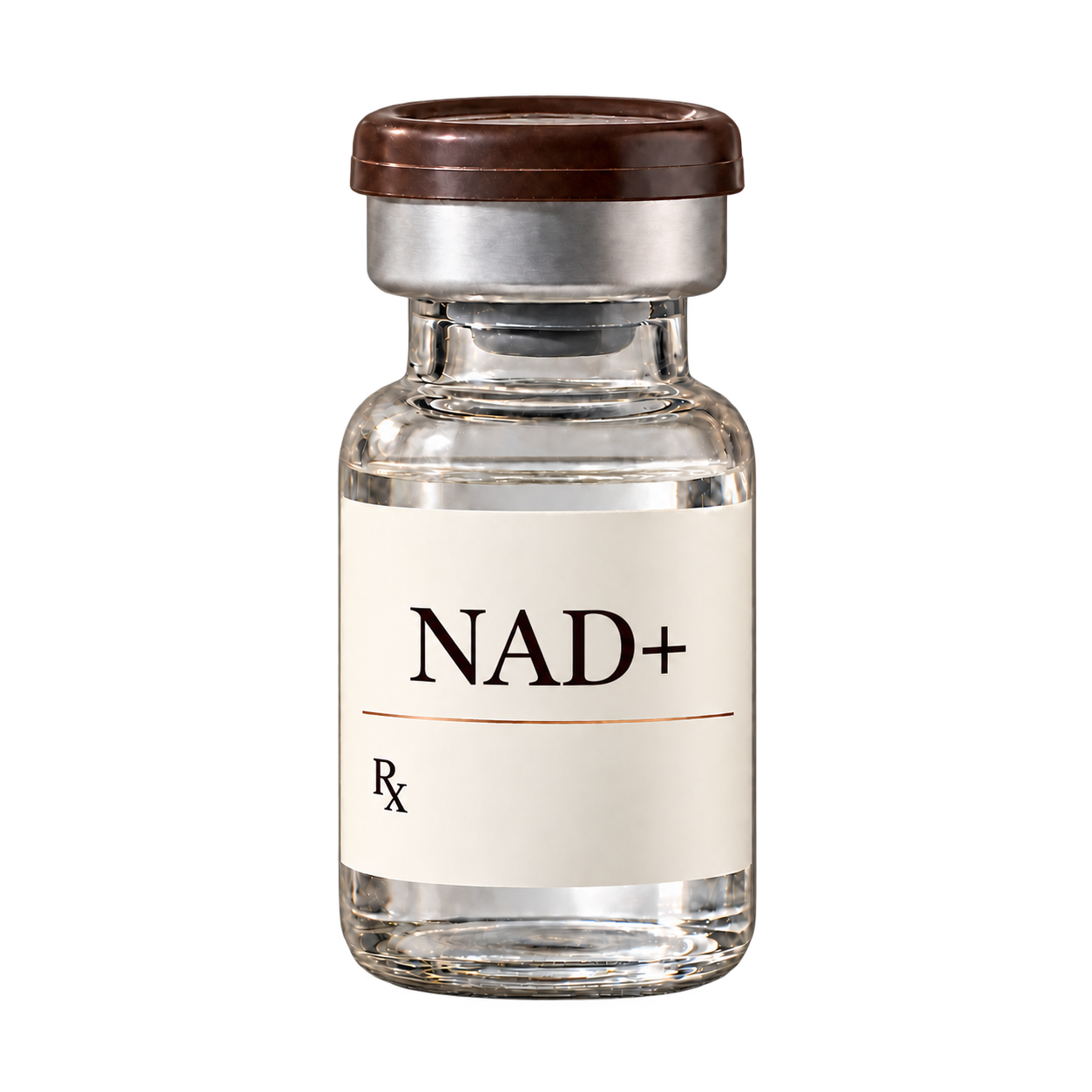
NAD (nicotinamide adenine dinucleotide) is a molecule your cells use to turn food into energy and to support DNA repair. A NAD supplement is marketed to boost NAD+ levels, but for most goals, the strongest evidence so far is that some precursors can raise blood NAD-related markers, not that they reliably improve how you feel or function. This page explains what NAD+ does in the body, what research in humans suggests, and what to discuss with a clinician.
- A NAD supplement is meant to support NAD+ in cells, but proven health benefits in humans are limited.
- NAD+ helps your body make energy and repair DNA, and it is central to metabolism.
- Most products aim to raise NAD+ using precursors like nicotinamide riboside or NMN, not NAD+ itself.
- Side effects vary by product and dose; talk with a clinician if you have liver disease, gout, or are pregnant.
What is a NAD supplement?
- What NAD stands for (medical)
- Nicotinamide adenine dinucleotide, a coenzyme found in all living cells.
- What NAD+ means
- The oxidized form of NAD that accepts electrons in energy metabolism.
- How supplements usually work
- Most aim to raise NAD+ by providing vitamin B3 related precursors (for example nicotinamide riboside).
What NAD+ does and what the evidence shows
Energy production (ATP)
NAD+ helps your cells convert carbohydrates, fats, and proteins into usable energy through redox reactions. This role is fundamental, but it does not mean a supplement will automatically increase your energy or stamina. In studies, raising NAD related metabolites does not always translate into clear performance or symptom changes.
DNA repair and stress response
NAD+ is used by enzymes involved in DNA repair and cellular stress responses, including PARPs and sirtuins. This is one reason NAD+ is discussed in aging research. Human trials are still early, and most outcomes studied are biomarkers rather than long term clinical endpoints.
How NAD+ levels change
NAD+ biology is dynamic and varies by tissue, age, illness, sleep, and diet. Many studies measure blood metabolites, which may not reflect NAD+ inside specific tissues. If you see a lab value marketed as a direct NAD+ level, ask what was measured and what it means clinically.
NAD+ precursors (NR and NMN)
Common supplement strategies use precursors such as nicotinamide riboside (NR) or nicotinamide mononucleotide (NMN) to increase NAD related metabolites. In a randomized trial, NR increased whole blood NAD+ in healthy adults, but clinical benefits were not the primary focus. Separate studies have explored NMN effects on metabolic measures, with mixed results and limited replication.
NAD+ peptide claims
If you see marketing for a "NAD+ peptide," treat it cautiously. NAD+ itself is not a peptide, and peptide products marketed for longevity often lack robust human evidence and may not be FDA approved drugs. Ask for ingredient identity, testing, and human clinical data, not just mechanistic claims.
NAD side effects and interactions
Side effects depend on the exact ingredient and dose, and data quality varies across products. For vitamin B3 related compounds, possible issues can include flushing or gastrointestinal upset, and high dose niacin can affect the liver. If you take diabetes medicines, blood pressure medicines, anticoagulants, or have liver disease or gout, discuss supplement plans with a clinician.
When to talk to a clinician before using one
Pregnancy or breastfeeding
Safety data for many NAD targeted supplements in pregnancy and breastfeeding are limited. A clinician can help you weigh risk, benefit, and safer alternatives for your goal.
Liver disease or heavy alcohol use
Some vitamin B3 related products can affect liver enzymes, especially at higher doses. If you have known liver disease or drink heavily, ask a clinician what monitoring is appropriate and whether to avoid certain forms.
Gout or high uric acid
Some NAD precursor research has reported changes in uric acid in certain settings. If you have gout, kidney disease, or a history of kidney stones, discuss risks and what symptoms should prompt stopping and evaluation.
Cancer treatment or immunotherapy
Because NAD+ is involved in cell growth and repair pathways, it is reasonable to review any NAD boosting strategy with your oncology team. They can advise on potential interactions with your treatment plan.
Unexplained fatigue or brain fog
If your main concern is fatigue, low mood, or cognitive symptoms, a supplement may miss the underlying cause. A clinician can help evaluate sleep, iron status, thyroid function, B12, depression, medication effects, and other common drivers.
Practical ways to support NAD biology
Start with sleep consistency
Regular sleep timing supports metabolic and circadian pathways linked to NAD+ enzymes.
Prioritize protein and plants
Adequate protein and fiber rich foods support energy metabolism and overall nutrient status.
Use exercise as the foundation
Aerobic and resistance training improve mitochondrial function, a key context for NAD+.
Check basics before add ons
Consider labs for anemia, thyroid, lipids, glucose, and B12 before stacking supplements.
Choose third party tested products
Look for independent quality testing and clear labeling of the exact ingredient form.
Frequently Asked Questions
What is NAD?
NAD stands for nicotinamide adenine dinucleotide, a coenzyme your cells use to make energy and support repair processes. NAD+ refers to the oxidized form that participates in many metabolic reactions. Most supplement discussions focus on supporting NAD+.
What is a NAD supplement?
A NAD supplement is a product marketed to support NAD+ levels or NAD related metabolism. Many products use precursors such as nicotinamide riboside (NR) or NMN rather than NAD+ itself. Human evidence for meaningful health outcomes is still developing.
What is NAD+ used for in the body?
NAD+ is used in cellular energy production and is required by enzymes involved in DNA repair and stress responses. Because these pathways are linked to aging and metabolism, NAD+ is a common target in longevity research. That does not guarantee supplements improve symptoms or lifespan in humans.
What does NAD mean in medical terms?
In medical and biochemical contexts, NAD means nicotinamide adenine dinucleotide. It is a molecule present in all living cells that helps transfer electrons during metabolism. You may also see NADH, the reduced form.
Do NAD supplements give you energy?
NAD+ is essential for making cellular energy, but taking a NAD supplement does not reliably translate into feeling more energetic. Some studies show changes in NAD related blood markers, while symptom and performance outcomes are inconsistent. If fatigue is persistent, consider a clinician evaluation for common causes.