
Mounjaro pen: what it is and how it works
A Mounjaro pen is a once weekly injection device for tirzepatide. Here is what it does, who it is for, key risks, and access.
Key facts
- Tirzepatide + B12 is $169/month (billed $169 every 4 weeks), charged only after a clinician approves it.
- Answer a few health questions online. A licensed clinician reviews them. If approved, it ships to your door.
- Adults 18 or older. A licensed clinician reviews your health history and decides whether treatment is appropriate for you. Availability depends on the state you live in.
- A $20 clinician review, refunded if you don’t qualify.


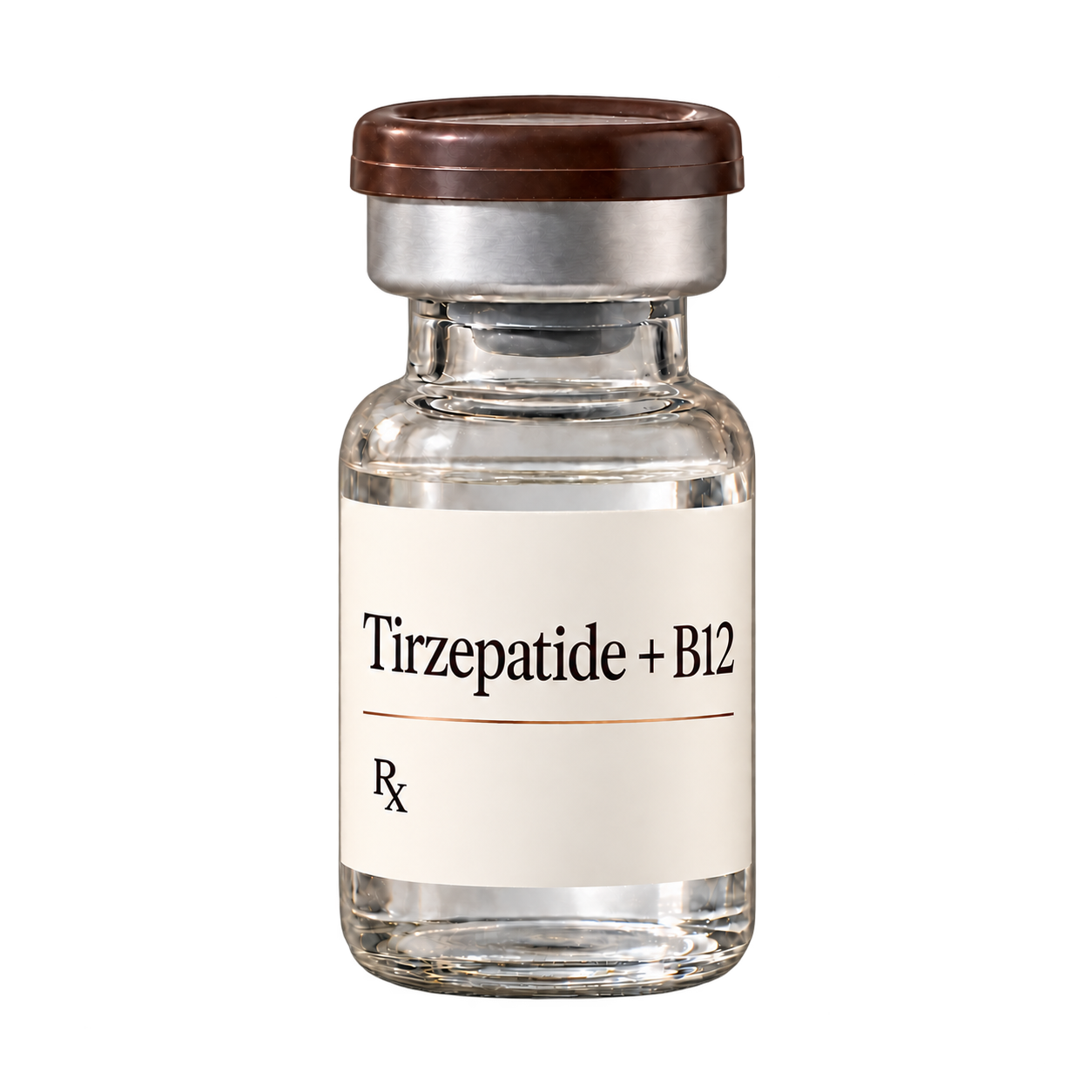
A Mounjaro pen is a prefilled, single dose injection device that delivers tirzepatide under the skin. People often search for it when considering weekly GLP-1 medicines for diabetes or weight management, or when they want to understand safety and access. Vitals Vault can connect you with care for tirzepatide as a compounded medication, which is different from the brand Mounjaro. This page explains what the pen is, what to expect, key warnings, and how clinician guided access typically works.
- A Mounjaro pen is a single dose injector for tirzepatide, used once weekly.
- Mounjaro is FDA approved for type 2 diabetes, not for weight loss.
- The most common side effects are gastrointestinal, especially nausea, diarrhea, and decreased appetite.
- Serious risks include thyroid C-cell tumor warning, pancreatitis, gallbladder problems, kidney injury, and severe allergic reactions.
- Vitals Vault offers compounded tirzepatide, not the brand Mounjaro.
What a Mounjaro pen is
A brand injection device
Mounjaro is the brand name for tirzepatide supplied as a single dose pen for injection under the skin. The pen is designed to deliver one prescribed dose at a scheduled weekly interval. Your pharmacist or prescribing clinician can show you how to use the device safely.
What it is approved for
Mounjaro (tirzepatide) is FDA approved to improve blood sugar (glycemic control) in adults with type 2 diabetes, along with diet and exercise. It is not FDA approved for weight loss, even though some people may lose weight while taking it.
Brand vs compounded tirzepatide
Mounjaro is a brand product. Vitals Vault offers Tirzepatide (compounded, injectable) as a compounded medication, not Mounjaro. Never call it a generic of Mounjaro; compounded medications are not FDA-approved.
How often it is used
The Mounjaro pen is used once weekly, on the same day each week when possible. If you miss a dose, the FDA label includes timing rules for when to take it and when to skip it. Ask your clinician what to do for your situation.
- Active ingredient
- Tirzepatide
- Drug class
- Dual GIP and GLP-1 receptor agonist
- How it is given
- Subcutaneous injection using a single dose pen
- FDA approved use
- Type 2 diabetes (adults), with diet and exercise
How tirzepatide works in the body
Targets two hormone pathways
Tirzepatide activates receptors for two natural gut hormones: GIP (glucose-dependent insulinotropic polypeptide) and GLP-1 (glucagon-like peptide-1). These signals help the body respond to food in ways that can lower blood sugar. This is why Mounjaro is approved for type 2 diabetes.
Helps after meals
GLP-1 and GIP signaling can increase insulin release when blood sugar is high and reduce glucagon, a hormone that raises blood sugar. Tirzepatide also slows stomach emptying, which can affect how quickly glucose enters the bloodstream after eating. Slower stomach emptying is also one reason nausea and fullness can happen.
Why weight can change
Some people eat less because they feel full sooner or have less appetite. Weight change is not guaranteed, and it is not the FDA approved goal of Mounjaro. If weight management is your main goal, talk with a clinician about on label options and monitoring.
Who a Mounjaro pen may be for
Adults with type 2 diabetes
Mounjaro is indicated for adults with type 2 diabetes to improve blood sugar control, alongside diet and exercise. A clinician considers your A1C goals, other medicines, kidney function, and side effect risk. It is not indicated for type 1 diabetes.
People needing cardiometabolic support
Many people with type 2 diabetes also have obesity, fatty liver disease, high blood pressure, or abnormal cholesterol. A clinician may consider tirzepatide as part of a broader plan that includes nutrition, activity, and monitoring. Your personal risks and other medications matter.
People who can follow weekly dosing
Weekly injections work best when you can keep a consistent routine and communicate with your care team about side effects. If you have frequent nausea or dehydration, you may need closer follow up. Do not change your dosing schedule without clinician guidance.
People considering compounded tirzepatide
If you are exploring compounded tirzepatide, you should understand that compounded medications are prepared by a licensed pharmacy for an individual prescription and are not FDA-approved. Your prescribing clinician and dispensing pharmacy should explain the formulation and provide administration instructions.
Who should not take tirzepatide
Certain thyroid cancer history
Do not use tirzepatide if you or a family member has had medullary thyroid carcinoma (MTC), or if you have Multiple Endocrine Neoplasia syndrome type 2 (MEN 2). This is tied to the boxed warning about thyroid C-cell tumors seen in animal studies. Ask your clinician how this warning applies to you.
Serious allergy to tirzepatide
Do not use Mounjaro if you have had a serious hypersensitivity reaction to tirzepatide or any of its ingredients. Severe allergic reactions can include swelling of the face, lips, tongue, or throat and trouble breathing. Seek emergency care for symptoms of anaphylaxis.
Type 1 diabetes
Mounjaro is not indicated for type 1 diabetes. People with type 1 diabetes need insulin based treatment plans and different monitoring. If you are unsure which type you have, ask your clinician before considering any GLP-1 medicine.
Pregnancy and breastfeeding
The label includes pregnancy and lactation considerations, including limited human data and potential risks. If you are pregnant, trying to become pregnant, or breastfeeding, discuss safer options and timing with a clinician. Do not rely on online advice for this decision.
Urgent symptoms need urgent care
If you have severe abdominal pain, repeated vomiting, signs of dehydration, fainting, or symptoms of a severe allergic reaction, seek urgent or emergency care. These can signal complications that should not wait for a routine message. Your clinician can advise on next steps after you are safe.
What to expect when starting or continuing
A gradual dose escalation
The FDA label uses a stepwise approach to dosing over time to improve tolerability, especially gastrointestinal side effects. Your clinician may adjust based on how you respond and what side effects you have. Do not increase or restart after a gap without clinician input.
Digestive changes are common
Nausea, diarrhea, decreased appetite, vomiting, constipation, and abdominal discomfort are among the most common effects. These often happen early or after dose increases and may improve as your body adjusts. Staying hydrated and choosing smaller meals may help, but ask your clinician for personalized guidance.
Blood sugar monitoring matters
If you use insulin or a sulfonylurea, your clinician may monitor you more closely for low blood sugar (hypoglycemia). Tirzepatide can increase hypoglycemia risk when combined with certain diabetes medicines. Report symptoms like shakiness, sweating, confusion, or fast heartbeat promptly.
Follow up and labs
Many clinicians review baseline health history and may request recent labs to check kidney and liver function, glucose control, and cardiometabolic risk. Follow up visits help address side effects, adjust other diabetes medicines, and reinforce nutrition and activity plans. This is especially important if you have vomiting or reduced oral intake.
Mounjaro side effects and warnings
Nausea
Nausea is one of the most common side effects with tirzepatide and is often dose related. It may improve over time, but persistent nausea can lead to dehydration. Contact your clinician if you cannot keep fluids down or symptoms are worsening.
Diarrhea or constipation
Diarrhea and constipation are common and can affect hydration and electrolyte balance. Pay attention to dizziness, weakness, or reduced urination, which can signal dehydration. If symptoms are severe or prolonged, your clinician may reassess your plan.
Decreased appetite and vomiting
Feeling full sooner and decreased appetite can occur, and some people also have vomiting. Vomiting increases the risk of dehydration and kidney problems, especially if you already have kidney disease or take diuretics. Seek urgent care for repeated vomiting with severe weakness or fainting.
Thyroid C-cell tumor warning
Mounjaro carries a boxed warning about thyroid C-cell tumors seen in rats. It is unknown whether tirzepatide causes these tumors in humans. Do not use tirzepatide if you have a personal or family history of medullary thyroid carcinoma (MTC) or MEN 2, and report a neck mass, hoarseness, or trouble swallowing.
Pancreatitis
Acute pancreatitis has been reported with GLP-1 receptor agonists, including tirzepatide. Seek urgent care for severe abdominal pain that may radiate to the back, with or without vomiting. If pancreatitis is suspected, clinicians typically stop the medication and evaluate promptly.
Gallbladder problems
Gallbladder disease, including gallstones (cholelithiasis) and gallbladder inflammation (cholecystitis), has been reported. Contact a clinician for right upper abdominal pain, fever, or yellowing of the skin or eyes. Rapid weight change and dehydration can also contribute to gallstone risk.
Kidney injury from dehydration
Acute kidney injury has been reported, sometimes in people who had nausea, vomiting, diarrhea, or dehydration. This risk can be higher if you already have kidney disease. Get medical help if you have markedly reduced urination, swelling, or persistent vomiting or diarrhea.
Low blood sugar with other drugs
Tirzepatide can increase hypoglycemia risk when used with insulin or insulin secretagogues such as sulfonylureas. Your clinician may adjust other diabetes medicines and advise on monitoring. Seek help for severe symptoms such as confusion, seizure, or loss of consciousness.
Severe allergic reactions
Serious hypersensitivity reactions, including anaphylaxis and angioedema, have been reported. Seek emergency care for swelling of the face, lips, tongue, or throat, or trouble breathing. Do not restart after a serious allergic reaction unless a clinician specifically directs it.
Diabetic retinopathy changes
Rapid improvements in blood sugar can temporarily worsen diabetic retinopathy in some people. If you have existing eye disease, tell your clinician and keep up with eye exams. Report new vision changes promptly.
Cost and access: what affects what you pay
Brand coverage varies
Coverage for Mounjaro can vary by insurance plan and may depend on whether you have type 2 diabetes and what documentation is required. Prior authorization is common for GLP-1 medicines. Your out of pocket cost can change based on deductible status and formulary rules.
Supply and pharmacy availability
Availability can vary by region and pharmacy inventory. If you are switching pharmacies or restarting after a gap, confirm what is in stock and what your plan covers. Your clinician may also consider alternatives if access is inconsistent.
Compounded tirzepatide is different
Compounded tirzepatide is not the same as the brand Mounjaro and is not FDA-approved. Costs can differ based on the pharmacy, formulation, and the clinical services included with care. If you are considering compounded medication, ask what is included and how follow up works.
Where to see current prices here
If you are considering Vitals Vault care for compounded tirzepatide, current prices are shown on this page in the price block. A licensed clinician reviews your health history and decides whether treatment is appropriate for you. Availability depends on the state you live in.
How to get tirzepatide safely
- 1
Start with a clinician review
Share your medical history, current medications, and goals so a licensed clinician can assess safety and fit.
- 2
Complete any requested labs
A clinician may ask for recent lab results before prescribing, especially for metabolic and kidney health.
- 3
Discuss options and risks
Review brand versus compounded options, expected side effects, and warning signs that require urgent care.
- 4
Plan follow up and support
Treatment plans include clinician consults and ongoing support, including check ins for tolerability and monitoring.
Frequently Asked Questions
How to use Mounjaro pen?
Follow the Instructions for Use that come with Mounjaro and get training from your pharmacist or prescribing clinician. The label lists injection sites as the abdomen, thigh, or upper arm. Do not rely on online step-by-step technique.
What is a Mounjaro injection pen?
A Mounjaro injection pen is a prefilled, single dose device that delivers tirzepatide under the skin. It is used once weekly on a schedule set by your clinician. The pen is part of the brand product Mounjaro.
Where do you inject the Mounjaro pen?
The Mounjaro Instructions for Use list the abdomen, thigh, or upper arm as injection sites. Your clinician or pharmacist should show you how to inject and rotate sites safely. Read the full Instructions for Use each time you receive a new pen.
Can Vitals Vault prescribe Mounjaro pen?
Mounjaro is a brand product. Vitals Vault offers Tirzepatide (compounded, injectable) as a compounded medication, not Mounjaro, and compounded medications are not FDA-approved. A licensed clinician reviews your health history and decides whether treatment is appropriate for you.
What are the most serious side effects to watch for with a Mounjaro pen?
Serious risks include the boxed warning for thyroid C-cell tumors, pancreatitis, gallbladder disease, kidney injury from dehydration, severe allergic reactions, and low blood sugar when combined with insulin or sulfonylureas. Seek urgent care for severe abdominal pain, repeated vomiting, fainting, or trouble breathing.