
Ozempic pen how to use: label basics
Ozempic pen use is covered in FDA Instructions for Use. This guide explains labeled injection sites, timing, and safety basics to discuss with a clinician.
Key facts
- Semaglutide + B12 is $157/month (billed $157 every 4 weeks), charged only after a clinician approves it.
- Answer a few health questions online. A licensed clinician reviews them. If approved, it ships to your door.
- Adults 18 or older. A licensed clinician reviews your health history and decides whether treatment is appropriate for you. Availability depends on the state you live in.


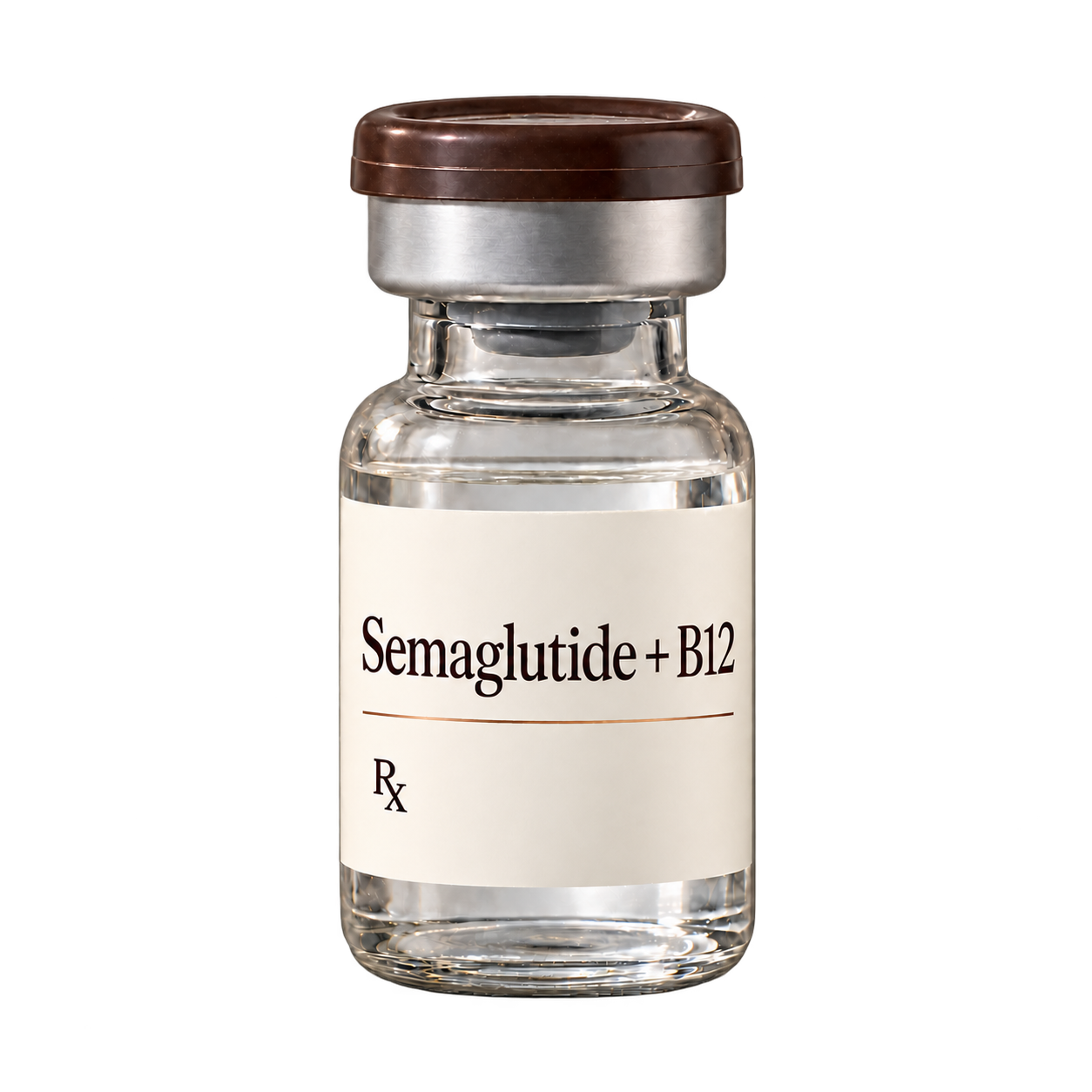
If you searched “ozempic pen how to use,” the safest starting point is the FDA approved Instructions for Use that come with the pen. This page summarizes what the label says about where it can be injected, general timing, and key safety rules, without teaching injection technique. If you are using compounded semaglutide rather than the Ozempic brand pen, your prescribing clinician and dispensing pharmacy should provide the exact administration instructions for your product. Vitals Vault also offers PocketMD to help you ask questions using your own health history.
- Ozempic pen how to use: follow the FDA Instructions for Use and get hands-on training from your clinician or pharmacist.
- Ozempic is injected under the skin in the abdomen, thigh, or upper arm, on the same day each week.
- Do not share your pen, even if you change the needle, because infections can spread.
- Severe belly pain, signs of allergic reaction, or dehydration symptoms need urgent medical advice.
How to use the Ozempic pen (label overview)
Use the Instructions for Use
Ozempic comes with FDA reviewed Instructions for Use that describe how to prepare and inject the medication. Your clinician or pharmacist should show you how to use the pen before you inject it on your own. If anything in the instructions is unclear, ask for a demonstration.
Inject under the skin
Ozempic is given as a subcutaneous injection, which means it goes into the fatty tissue just under the skin. The label lists the abdomen, thigh, or upper arm as injection sites. Rotate sites within the same region to reduce irritation.
Use it once weekly
Ozempic is intended to be used once weekly, on the same day each week. If you need to change your dosing day, the label includes rules about spacing doses. Your prescriber should guide any schedule changes.
Do not share the pen
Do not share your Ozempic pen with another person, even if the needle is changed. The label warns that sharing can transmit blood borne infections. Keep your pen and supplies for your use only.
What the label says about using the pen
- Route
- Subcutaneous injection (under the skin).
- Injection sites listed
- Abdomen, thigh, or upper arm.
- How often
- Once weekly, on the same day each week.
- Sharing
- Do not share the pen, even if the needle is changed.
- Training
- A clinician or pharmacist should show you how to use the pen.
If you use compounded semaglutide
Ozempic is a brand product. Vitals Vault offers Semaglutide (compounded, injectable) as a compounded medication, not Ozempic, and compounded medications are not FDA-approved. Compounded products may come with different supplies and directions, so follow the instructions from your prescriber and dispensing pharmacy.
Common side effects that affect use
The Ozempic label lists gastrointestinal side effects such as nausea, vomiting, diarrhea, abdominal pain, and constipation. If you cannot keep fluids down or you have ongoing vomiting or diarrhea, contact your clinician because dehydration can worsen kidney problems. Your clinician can advise how to manage symptoms without changing medication on your own.
Low blood sugar risk in some people
Ozempic can increase the risk of low blood sugar when used with insulin or an insulin secretagogue such as a sulfonylurea. If you use other diabetes medicines, ask your prescriber what symptoms to watch for and how to respond. Do not adjust doses of any diabetes medication without clinician guidance.
Storage and handling basics
The label includes specific storage instructions for Ozempic pens and guidance on keeping the pen cap on when not in use. Storage rules can differ for compounded semaglutide, so rely on the pharmacy label and counseling for your product. If you suspect improper storage, ask a pharmacist before using it.
When to contact a clinician urgently
Possible pancreatitis symptoms
Contact a clinician right away for severe abdominal pain that may radiate to your back, with or without vomiting. The Ozempic prescribing information warns about acute pancreatitis. Do not restart the medication unless your prescriber tells you to.
Gallbladder symptoms
Seek medical advice for persistent upper abdominal pain, fever, jaundice, or clay colored stools. GLP-1 medicines including Ozempic carry warnings about acute gallbladder disease. Your clinician may evaluate for gallstones or gallbladder inflammation.
Allergic reaction
Get urgent help for swelling of the face, lips, tongue, or throat, trouble breathing, or widespread rash. The label warns about serious hypersensitivity reactions. Do not take another dose until you have been evaluated.
Dehydration or kidney concerns
If vomiting or diarrhea is severe, you cannot keep fluids down, or you have signs of dehydration such as dizziness or reduced urination, contact your clinician promptly. The Ozempic label warns that dehydration can worsen kidney function. Early support can prevent complications.
Thyroid or neck symptoms
Report a lump or swelling in your neck, hoarseness, trouble swallowing, or shortness of breath. Ozempic has a boxed warning about thyroid C-cell tumors observed in rodents, and it is contraindicated in people with certain thyroid cancer histories. Your clinician can clarify your personal risk.
Practical tips to avoid common mistakes
Confirm what product you have
Brand Ozempic and compounded semaglutide may have different devices and instructions.
Keep your dosing day consistent
Using the same weekday helps you avoid missed or double doses.
Rotate injection sites
Rotate within the abdomen, thigh, or upper arm to reduce irritation.
Do not share pens or needles
Sharing can spread infections, even if the needle is changed.
Ask before changing anything
If side effects or schedule issues come up, contact your prescriber first.
Frequently Asked Questions
How to use ozempic pen?
Use the FDA Instructions for Use that come with the Ozempic pen, and ask your clinician or pharmacist to show you how to use it. The label lists injection sites (abdomen, thigh, or upper arm) and warns not to share the pen. For compounded semaglutide, follow your pharmacy instructions.
Where do you inject Ozempic according to the label?
The Ozempic Instructions for Use list the abdomen, thigh, or upper arm as injection sites. It is given as a subcutaneous injection, meaning under the skin. Your clinician or pharmacist should train you on proper use.
Can I share my Ozempic pen if I change the needle?
No. The Ozempic label says not to share your pen with another person, even if the needle is changed, because infections can spread. If you need help with supplies or technique, ask your pharmacist.
What should I do if I am using compounded semaglutide instead of Ozempic?
Ozempic is a brand product, and compounded semaglutide is a different formulation that is not FDA-approved. Your prescribing clinician and the dispensing pharmacy should provide the exact administration instructions for your compounded product. Do not assume the brand pen directions apply.
When should I call a clinician while using Ozempic?
Call urgently for severe abdominal pain (with or without vomiting), signs of an allergic reaction, or ongoing vomiting or diarrhea with dehydration symptoms. The prescribing information warns about pancreatitis, serious hypersensitivity reactions, and kidney problems that can worsen with dehydration. If you have a neck lump or trouble swallowing, report it promptly.