
Zepbound pen: what it is and how it works
The Zepbound pen is a tirzepatide injection pen used once weekly for chronic weight management. See who it is for and the key risks.
Key facts
- Tirzepatide + B12 is $169/month (billed $169 every 4 weeks), charged only after a clinician approves it.
- Answer a few health questions online. A licensed clinician reviews them. If approved, it ships to your door.
- Adults 18 or older. A licensed clinician reviews your health history and decides whether treatment is appropriate for you. Availability depends on the state you live in.
- A $20 clinician review, refunded if you don’t qualify.


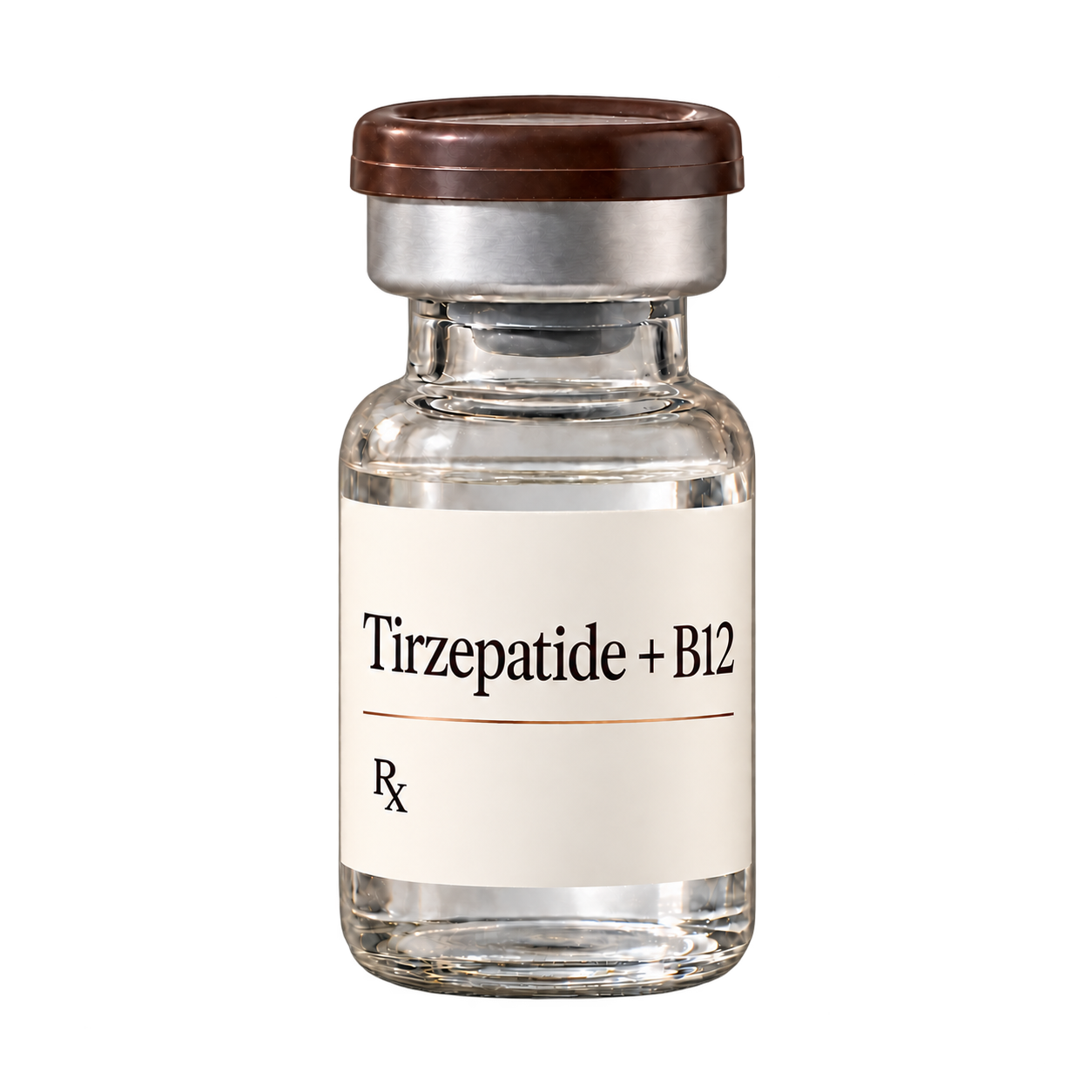
The term zepbound pen usually refers to the prefilled, single dose injection pen used to take tirzepatide once weekly for chronic weight management. People search this when they want to know what the pen is, who it is meant for, and what safety warnings matter most. Vitals Vault also offers access to tirzepatide as a compounded medication, which is not the same as the brand product Zepbound.
- A zepbound pen is a prefilled tirzepatide injection pen used once weekly for chronic weight management.
- Zepbound is a brand product; compounded tirzepatide is different and is not FDA-approved.
- The label describes subcutaneous injection sites and device handling in the Instructions for Use.
- Common side effects are gastrointestinal, such as nausea, diarrhea, constipation, and vomiting.
- Serious risks include thyroid C-cell tumor warning, pancreatitis, gallbladder disease, kidney injury, and severe allergy.
What the Zepbound pen is
A once-weekly injection pen
Zepbound is the brand name for tirzepatide supplied as a single dose, prefilled pen for subcutaneous injection. It is used once weekly, on the same day each week, for chronic weight management in adults who meet label criteria. The pen is designed to deliver one preset dose per injection.
Brand versus compounded tirzepatide
Zepbound is a brand product. Compounded tirzepatide is prepared by a licensed pharmacy for an individual prescription and is not FDA-approved. If you are prescribed compounded tirzepatide, your prescribing clinician and dispensing pharmacy provide the specific product instructions and supplies.
What people mean by Quick or Kwik
Some searches use terms like "quick pen" or "kwik pen" to describe an injection pen. For Zepbound, the official product is a single dose prefilled pen described in the FDA prescribing information and Instructions for Use. If you are unsure which device you have, confirm the exact product name on the carton and pen label.
- Active ingredient
- Tirzepatide (Zepbound brand product); compounded tirzepatide is a different, non FDA-approved formulation.
- How it is taken
- Subcutaneous injection using a single dose, prefilled pen, once weekly.
- FDA-approved use
- Chronic weight management in adults with obesity, or overweight with at least one weight-related condition, with diet and physical activity.
- Brand name note
- Mounjaro and Zepbound contain tirzepatide but have different FDA-approved indications.
How tirzepatide works
Dual incretin action
Tirzepatide activates two hormone receptors involved in appetite and metabolism: GIP and GLP-1. These are called incretins, hormones released from the gut after eating. This dual action is part of why tirzepatide can reduce food intake and improve blood sugar measures.
Slows stomach emptying
Tirzepatide can slow gastric emptying, meaning food leaves the stomach more slowly. This can affect how quickly some oral medicines are absorbed, and it can worsen reflux or nausea in some people. It is one reason clinicians review your medication list carefully.
Why it is once weekly
Tirzepatide is designed for once-weekly dosing based on its pharmacology described in the prescribing information. Your clinician sets the dose escalation schedule and monitors tolerability. Do not change your schedule without clinical guidance.
Who the Zepbound pen is for
Adults meeting label criteria
Zepbound is FDA-approved for chronic weight management in adults with obesity, or overweight with at least one weight-related condition, alongside a reduced-calorie diet and increased physical activity. A clinician confirms whether you meet the criteria and whether the benefits outweigh the risks for you.
People who can follow up
This treatment works best when you can do regular follow up for side effects, dose adjustments, and monitoring of other health conditions. If you have diabetes or take medicines that can lower blood sugar, follow up is especially important to reduce the risk of hypoglycemia.
Those comparing pen options
If you are deciding between pen-based GLP-1 medicines, factors often include side effect history, contraindications, and coverage rules. A clinician can help you compare tirzepatide with options like semaglutide based on your medical history. Device differences also matter, so confirm which pen you are prescribed.
Who should not take tirzepatide
Certain thyroid cancer history
Do not use tirzepatide if you or a family member has had medullary thyroid carcinoma (MTC), or if you have Multiple Endocrine Neoplasia syndrome type 2 (MEN 2). This is tied to the boxed warning about thyroid C-cell tumors. If you are unsure about your family history, ask your clinician before starting.
Prior serious allergy to tirzepatide
Do not use tirzepatide if you have had a serious hypersensitivity reaction to tirzepatide or any of its components. Signs can include swelling of the face, lips, tongue, or throat, and trouble breathing. Seek emergency care for symptoms of anaphylaxis.
Not for type 1 diabetes
Tirzepatide is not indicated for type 1 diabetes. If you use insulin or other diabetes medicines, your clinician needs to review your regimen because combining therapies can increase hypoglycemia risk. Do not make medication changes without clinical direction.
What to expect with a Zepbound pen
Dose escalation is typical
Tirzepatide is started at a lower dose and increased over time to improve tolerability, per the prescribing information. Many side effects happen during dose increases and may improve as your body adjusts. Tell your clinician early if side effects interfere with eating, drinking, or daily activities.
GI symptoms are common early
Nausea, diarrhea, constipation, vomiting, and abdominal discomfort are among the most common issues. Eating smaller meals and avoiding very high-fat meals may help some people, but you should ask your clinician for individualized strategies. Persistent vomiting or inability to keep fluids down needs prompt medical advice.
Medication review matters
Because tirzepatide can slow stomach emptying, your clinician may review oral medicines where timing and absorption matter. If you have diabetes and use insulin or a sulfonylurea, monitoring for low blood sugar is important. Share your full medication and supplement list at each visit.
Side effects and warnings
Nausea
Nausea is one of the most common side effects and is often dose-related. It may be more noticeable after starting or increasing the dose. Contact your clinician if nausea is severe, persistent, or prevents you from eating or drinking normally.
Diarrhea
Diarrhea is common with tirzepatide and can contribute to dehydration if it is severe or prolonged. If you feel lightheaded, have reduced urination, or cannot keep fluids down, contact a clinician promptly. Your clinician can help you decide whether symptoms are expected or need evaluation.
Constipation
Constipation is also common and may occur along with reduced appetite and lower food intake. If constipation is severe, painful, or associated with vomiting or significant abdominal swelling, contact a clinician. Do not assume all abdominal symptoms are medication-related without evaluation.
Thyroid C-cell tumor warning
Tirzepatide has a boxed warning about the risk of thyroid C-cell tumors based on findings in rodents. It is contraindicated if you or a family member has medullary thyroid carcinoma (MTC) or if you have MEN 2. Report a neck lump, hoarseness, trouble swallowing, or shortness of breath to a clinician.
Pancreatitis
Acute pancreatitis has been reported with GLP-1 receptor agonists and is a serious risk to discuss. Seek urgent medical care for severe abdominal pain that may radiate to the back, with or without vomiting. Your clinician will decide whether tirzepatide should be stopped if pancreatitis is suspected.
Gallbladder problems
Gallbladder disease, including gallstones and cholecystitis, has been reported with medicines in this class. Contact a clinician for right upper abdominal pain, fever, jaundice, or persistent nausea and vomiting. Evaluation may include labs and imaging.
Cost and access for a Zepbound pen
What drives cost
Out-of-pocket cost can vary based on whether you use the brand product versus compounded tirzepatide, your prescribed dose, and whether you have insurance coverage for chronic weight management. Pharmacy network rules and prior authorization requirements can also affect access. Current prices for Vitals Vault options are shown on this page in the price block.
Insurance coverage varies
Many plans treat weight management medicines differently from diabetes medicines, and coverage can change year to year. Even when covered, some plans require documentation of BMI and weight-related conditions, a trial of lifestyle changes, or prior authorization. Your clinician may need to submit medical history details to support coverage.
Brand supply and pharmacy rules
Brand availability can be affected by supply constraints and pharmacy stocking. Some people also face restrictions on where they can fill prescriptions or whether mail order is allowed. If you are switching pharmacies, confirm that the exact product and device match your prescription.
Compounded access is different
Compounded tirzepatide is prepared by a licensed pharmacy for an individual prescription and is not FDA-approved. Access depends on clinician evaluation, state rules, and the dispensing pharmacy. The product form and instructions may differ from the brand pen.
How to get tirzepatide safely
- 1
Confirm the exact product
Clarify whether you mean the brand Zepbound pen or compounded tirzepatide.
- 2
Complete a clinician evaluation
A licensed clinician reviews your history, medications, and contraindications to decide if it fits.
- 3
Review labs and monitoring
A clinician may ask for recent lab results before prescribing and will outline follow up.
- 4
Fill and get device training
If prescribed, fill through the appropriate pharmacy and have a pharmacist or clinician show you the pen.
Frequently Asked Questions
How to use Zepbound pen?
Follow the Zepbound Instructions for Use for your specific pen, and have your pharmacist or prescribing clinician show you how to use it. The label describes subcutaneous injection sites and device handling. If you use compounded tirzepatide, instructions come from your clinician and dispensing pharmacy.
Is there a Zepbound quick pen?
People sometimes use "quick pen" as a general term for an injection pen, but Zepbound is supplied as a single dose, prefilled pen described in the FDA prescribing information and Instructions for Use. Check the carton and pen label to confirm the exact device you have.
What is the Zepbound 2.5 mg/0.5 mL pen used for?
Zepbound is FDA-approved for chronic weight management in adults who meet label criteria, used with diet and physical activity. The prescribing information describes a starting dose used during dose escalation for tolerability. Your clinician decides the right dose schedule for you.
Is the Zepbound injection pen the same as compounded tirzepatide?
No. Zepbound is a brand product, while compounded tirzepatide is prepared by a licensed pharmacy for an individual prescription and is not FDA-approved. The device, instructions, and pharmacy process may differ, so confirm exactly what you are being prescribed.
Does the Kwik pen Zepbound work differently from other pens?
Zepbound is provided as a single dose, prefilled pen, and its Instructions for Use describe how that device is intended to be used. Different brands and devices can have different steps and safety checks, so you should not assume they are interchangeable. Ask your pharmacist or clinician to demonstrate your specific pen.