
Ozempic injection pen: what it is and how it’s used
An Ozempic injection pen is a prefilled device for injecting semaglutide under the skin once weekly. Your clinician shows you how to use it.
Key facts
- Semaglutide + B12 is $157/month (billed $157 every 4 weeks), charged only after a clinician approves it.
- Answer a few health questions online. A licensed clinician reviews them. If approved, it ships to your door.
- Adults 18 or older. A licensed clinician reviews your health history and decides whether treatment is appropriate for you. Availability depends on the state you live in.


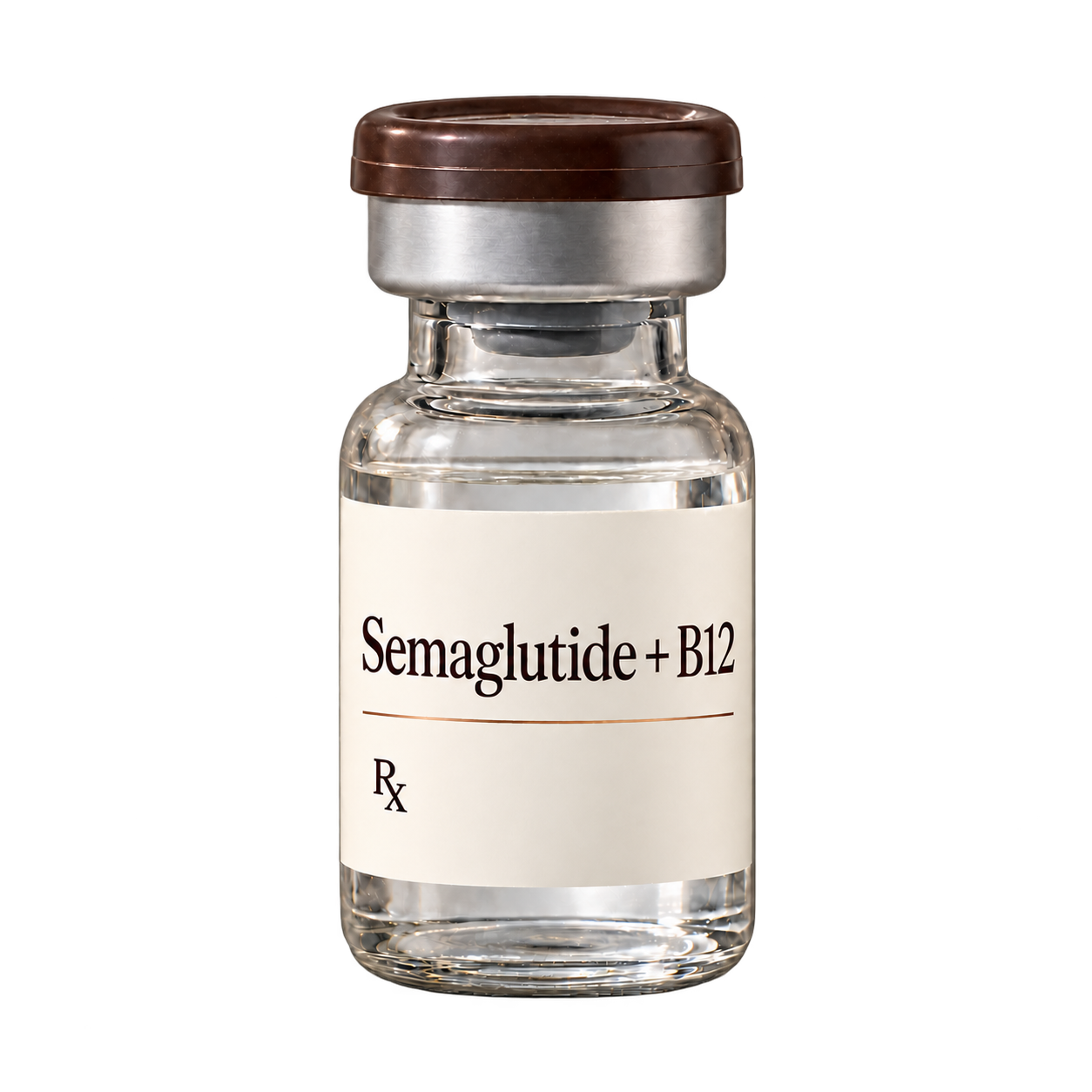
An ozempic injection pen is a prefilled, dial-a-dose device used to inject semaglutide under the skin (a subcutaneous injection). It is designed to make weekly dosing easier, but you still need to use it exactly as directed in the Instructions for Use. This page explains what the pen is, what it is not, and what the Ozempic label says about how it is used. If you are using compounded semaglutide instead of the brand, Vitals Vault can help you ask questions and review next steps with a clinician.
- An ozempic injection pen is a prefilled device that injects semaglutide under the skin.
- Ozempic is injected once weekly, on the same day each week, with or without meals.
- The label lists injection sites: abdomen, thigh, or upper arm.
- Do not share pens between people, even if the needle is changed.
What is an Ozempic injection pen?
- Medication in the pen
- Semaglutide (Ozempic)
- How it is taken
- Subcutaneous injection (under the skin)
- How often it is used
- Once weekly, same day each week, with or without meals
- Where it is injected (label-listed sites)
- Abdomen, thigh, or upper arm
How the pen is used (label basics)
It is a weekly injection
Ozempic is given once weekly, on the same day each week, and it can be taken with or without meals. If your schedule changes, the label describes when a change in the day of weekly administration may be allowed. Your prescriber should confirm what applies to you.
Injection sites are specific
The Ozempic Instructions for Use list the abdomen, thigh, or upper arm as injection sites. Rotate injection sites within the same region when you inject. A clinician or pharmacist should train you on technique and safe handling.
Do not share the pen
The label warns not to share your Ozempic pen with other people, even if the needle is changed. Sharing can spread infections. If you think a pen was shared or used incorrectly, contact your pharmacist or prescribing clinician for guidance.
Storage and handling matter
Ozempic pens have specific storage requirements before first use and after first use, and there are rules about keeping the pen cap on and protecting the medication from heat and light. Follow the label and the Instructions for Use, and ask your pharmacist if anything is unclear.
Compounded semaglutide is different
If you are prescribed semaglutide (compounded, injectable), it is prepared by a pharmacy for an individual prescription and is not FDA-approved. Packaging and administration supplies may differ from an Ozempic pen, so you should use the instructions provided by your prescribing clinician and dispensing pharmacy.
When to talk to a clinician
You missed a dose
The Ozempic label includes specific guidance for missed doses and for changing the day of weekly administration. If you are unsure what to do, contact your prescribing clinician rather than guessing, especially if you have diabetes or take other glucose-lowering medicines.
Severe stomach symptoms
Nausea, vomiting, diarrhea, and abdominal pain can occur with semaglutide. If symptoms are severe, persistent, or you cannot keep fluids down, contact a clinician promptly because dehydration can be dangerous and may worsen kidney problems.
Possible low blood sugar
If you use Ozempic with insulin or a sulfonylurea, the risk of hypoglycemia (low blood sugar) can increase. If you have symptoms like shakiness, sweating, confusion, or fainting, follow your clinician’s plan for hypoglycemia and seek urgent care if severe.
Signs of pancreatitis
Get medical help right away for severe abdominal pain that may radiate to your back, with or without vomiting. Pancreatitis has been reported with GLP-1 receptor agonists, and the Ozempic prescribing information includes warnings about it.
Allergic reaction symptoms
Stop and seek urgent care for symptoms of a serious allergic reaction, such as swelling of the face, lips, tongue, or throat, trouble breathing, or severe rash. Tell your clinician about any prior reactions to semaglutide or other medications.
Pro tips for using a pen safely
Read the Instructions for Use
Use the manufacturer’s Instructions for Use each time, especially when starting.
Ask for a demo
Have your pharmacist or clinician show you the pen and answer questions.
Rotate sites
Rotate injection sites within the same region to help avoid irritation.
Never share pens
Do not share your pen with anyone, even if the needle is changed.
Know your warning signs
Ask what symptoms should trigger a call or urgent care for you.
Frequently Asked Questions
What is an ozempic injection pen used for?
Ozempic is a prescription medicine used to improve blood sugar in adults with type 2 diabetes, along with diet and exercise, and to reduce the risk of major cardiovascular events in certain adults with type 2 diabetes and known heart disease. The pen is the device used to inject the medication under the skin.
Where do you inject the Ozempic pen?
The Ozempic Instructions for Use list the abdomen, thigh, or upper arm as injection sites. Your pharmacist or prescribing clinician should show you how to inject and how to rotate sites safely.
Can you share an Ozempic pen if you change the needle?
No. The label warns not to share your Ozempic pen with other people, even if the needle is changed, because infections can spread between people. If a pen was shared, contact a clinician promptly for guidance.
Is compounded semaglutide the same as Ozempic in a pen?
No. Ozempic is a brand product, and compounded semaglutide is prepared by a licensed pharmacy for an individual prescription and is not FDA-approved. Packaging and administration instructions can differ, so follow the directions from your prescriber and dispensing pharmacy.
What should you do if you are unsure how to use your Ozempic injection pen?
Use the manufacturer’s Instructions for Use and ask your pharmacist or prescribing clinician to demonstrate the pen. If anything about your dosing schedule or device use is unclear, do not guess and contact your care team for help.